
Všeobecné
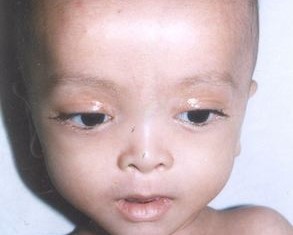
Zellwegerov syndróm je tiež nazývaný cerebrohepatorenálny syndróm, peroxizomálna abiogenetická porucha, alebo Zellwegerovské spektrum (angl. Zellweger syndrome, Zellweger spectrum disorder). Jedná sa o vrodenú (autozomálne recesívne dedičnú) progresívnu encefalopatiu, ktorú ako prvý popísal Hans Zellweger roka 1964.
Diagnostika:
Podstatou je mutácia v akomkoľvek z 12 génov (pozri peroxin-1 (PEX1), peroxin-12 (PEX12)), ktoré riadia správnu funkciu peroxizomálnych enzýmov. Následkom tejto mutácie je znížená funkcia či úplný deficit peroxizómov v bunkách mozgu, pečeni a obličiek. Funkciou peroxizómov je katalyzovať premenu peroxidu na kyslík a vodu pomocou enzýmu katalázy. Vďaka tomu sa degradujú mastné kyseliny s dlhými reťazcami a odbúravajú škodliviny.
Najviac v Kanade - 1:12 000 a najmenej v Japonsku - 1: 500 000. Deti umierajú okolo 1. roku života
Liečba:
Jedná sa o vrodenú poruchu, teda nie je možné vyhnúť sa jej prevenciou. V súčasnej dobe neexistuje žiadny liek. Používa sa iba symptomatická a podporná liečba.
- kraniofaciálna dysmorfioa (vysoké čelo, hypoplastický supraorbitálny oblúk, sploštený nos, malá Mandibula, veľká predná fontanela)
- porucha zraku (glaukóm, katarakta, nystagmus)
- porucha sluchu
- mentálna retardácia
- hepatomegália spojená so zníženou funkciou pečene a následnou žltačkou
- postihnutia funkcie obličiek na základe cystickej dysplázie
- kŕče
- celková svalová hypotónia znemožňujúce mobilitu a príjem potravy
- krvácanie
- zvýšená hladina medi a železa v krvi
Pre spojenie sa s ďalšími ľuďmi s rovnakou diagnózou vo vašom okolí sa prihláste.
Prihlásenie