Wiskott-Aldrichov syndróm
Find a cause you want to help. Every contribution counts.

Všeobecné
Wiskottov-Aldrichov syndróm (anglicky Wiskottov-Aldrich syndrome, skratka WAS, synonymne eczema trombocytopénia, Immunodeficiency syndrome) je geneticky vzácne X-viazané recesívne ochorenie, kde X-dedičnosť je špecifický typ dedičnosti, ktorý sa týka génov lokalizovaných na chromozóme X, imunodeficienciou (nedostatočnosťou imunitného systému) a krvavými hnačkami.
Tento syndróm je pomenovaný po Dr Robertovi Anderson Aldrichovi (1917-1998), americkom pediatrovi, ktorý popísal ochorenie v roku 1954 a Dr. Alfredovi Wiskottovi (1898-1978), nemeckom pediatrovi, ktorý prvý opísal syndróm v roku 1937. Diagnóza je stanovená na základe klinických parametrov z krvného náteru a nízkymi hladinami imunoglobulínov. Typicky sú nízke imunoglobulíny M (IgM) v krvi, hladiny IgA sú zvýšené, a IgE môžu byť zvýšené.
Liečba:
Liečba Wiskottov-Aldrichova syndrómu sa v súčasnosti zakladá na odstránenie príznakov. Je potrebné sa vyhnúť Aspirinu a iným nesteroidným protizápalovým liekom (Ibalgin, Ketonal, Indometacín, atď.), pretože môžu ovplyvniť funkciu krvných doštičiek. Pri veľmi nízkom počte krvných doštičiek sa vykonáva transfúzia. U pacientov s častými infekciami sa podávajú intravenózne imunoglobulíny (IVIG) na posilnenie. Anémia spôsobená krvácaním môže vyžadovať dopĺňanie železa alebo krvnej transfúzie.
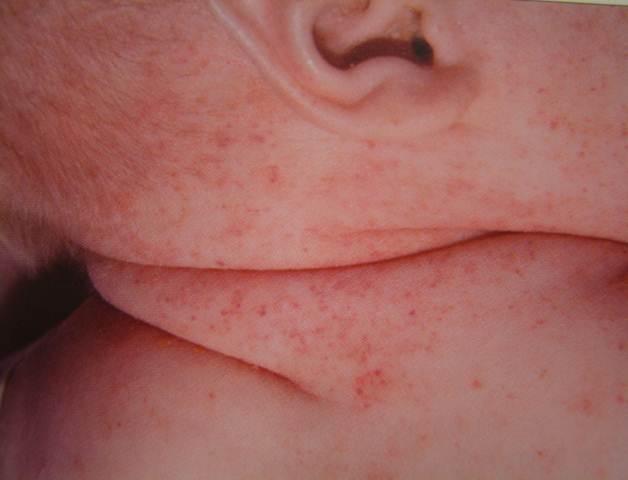
- petechie (drobné bodkovité krvácanie do kože či slizníc) a modriny
- spontánne krvácanie z nosa
- krvavé hnačky
- ekzém sa vyvíja v priebehu prvého mesiaca života
- opakujúce sa bakteriálne infekcie
- splenomegália (zväčšená slezina)
- hladiny IgM sú znížené, IgA a IgE sú zvýšené, a IgG môže byť normálne, znížené alebo zvýšené
Pre spojenie sa s ďalšími ľuďmi s rovnakou diagnózou vo vašom okolí sa prihláste.
Prihlásenie