
Všeobecné
Wilsonova choroba (ang. Willson disease, synon. hepatolentikulárna degenerácia) je raritné genetické dedičné ochorenie, ktoré je charakteristické poruchou metabolizmu medi a následným ukladaním nadbytočnej medi do orgánov a tkanív, prevažne do pečene a mozgu, ktoré sú z tohto dôvodu poškodzované a sú dôvodom daných príznakov uvedených nižšie.
Toto dedičné ochorenie sa dedí autozomálne recesívnou cestou, to znamená, že dieťa s Wilsonovou chorobou zdedí chybné gény od oboch rodičov, ktorí sú zdraví. Na prejav ochorenia potrebuje človek 2 chybné gény - od matky a od otca. Ak sú obaja rodičia prenášačmi chybných génov, riziko vzniku Wilsonovej choroby u dieťaťa je 25%, 50% je dieťa zdravý prenášač. Riziko vzniku choroby je rovnaké u oboch pohlaví. Štúdie ukazujú, že za Wilsonovu chorobu je zodpovedná mutácia génu ATP7B. Tento gén hrá dôležitú úlohu v transporte a vylučovaní medi žlčou žlčovými cestami a ďalej tráviacim traktom von. Je zistených viac než 300 typov mutácii ATP7B génu, ktoré spôsobuje Wilsonovu chorobu. Výskyt Wilsonovej choroby v populácii je asi 1 na 30 000 - 40 000 ľudí, rovnaký u všetkých etnických skupín.
Príznaky a symptómy:
Medzi prvými príznakmi Wilsonovej choroby býva najčastejšie poškodenie pečene, ktoré začína v 6. roku života, však klinicky sa prejaví až v teenegerskom veku, alebo začiatkom 20-tych rokov života. Poškodenie pečene až zlyhávanie pečene sa všeobecne prejavuje prítomnosťou žltých bielok oči, žltý kolorit kože, neinfekčnou zltačkou, svrbením kože, opuch dolných končatín až ascites (pritomnoť voľnej tekutiny v brušnej dutine), ezofágové varixy (abnormálne naplnené pažerákové žily, kde hrozí riziko prasknutia a krvácania), nevoľnosť, nechutenstvo, nadmerná krvácavosť (kvôli zlému zrážaniu, únava. Niektorí pacienti s Wilsonovu chorobou majú prítomnosť zlyhávania pečene ako jediný príznak ochorenia po dlhé roky.
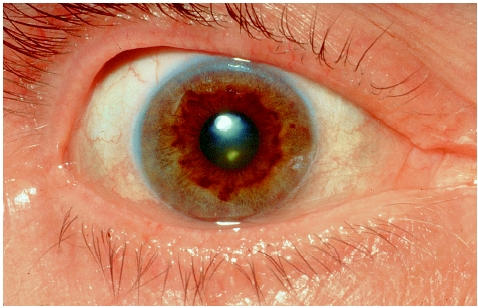
Len málo pacientov s Wilsonovou chorobou má závažné zlyhávanie pečene. Vyskytuje sa skôr u ženského pohlavia a u adolescentov. Takéto zlyhávanie sa prejavuje okrem iného anémiou a dôvodu hemolýzy (rozpadu červených krviniek) a neurologické ťažkosti - dezorientácia. Skoro u všetkých pacientov v tomto prípade chýba typický Kaiser-Fleiserov prstenec, čo je zlatohnedé sfarbenie rohovky v dôsledku ukladania medi v descemetnovej membráne rohovky, výraznejší pri hornom okraji rohovky.
Ak sa neodhalí poškodenie pečene, vzniká neurologická symptomatológia. Medzi tieto príznaky patrí tras - mimovoľné pohyby svalov- končatín, dysfágia - poruchy prehĺtania, poruchy reči a artikulácie (dysartria)zlá koordinácia, spasticita, tuhosť svalov. Skoro všetci pacienti s neurologickými príznakmi majú tiež typický Kayser-Fleischerov prstenec.
Poruchy správania majú širokú škálu. Prítomným symptómom môže byť dezorientácia, depresívne stavy, schizofrénia. Tieto príznaky sa môžu zle diagnostikovať a celkový stav sa pripisovať vplyvom návykových látok. Prítomné môžu byť aj poruchy osobnosti. Tieto príznaky idú častokrát v ruka v ruke s neurologickými príznakmi, Kayser-Fleisherov prstenec sa vyvinie o pár rokov neskôr.
U žien je prítomná vplyvom nedostatočnej funkcie pečene hormonálna dysbalancia, čo má následok nepravidelný menštruačný cyklus, vynechavávanie menštruácie alebo úplne chýbanie menštruácie u dievčat (amenorea), opakované potraty alebo neplodnosť.
Postihnutie obličiek sa prejavuje vznikom obličkových kameňov, poškodenie renálnych tubulov. Taktiež môžu byt prítomne artritídy, osteoporóza, alebo iné ochorenia kĺbov.
Diagnostika:
Diagnostika sa realizuje na základe klinických príznakov, ultrasonografickeho a laboratórneho vyšetrenia ( zvýšené pečeňové enzýmy v krvi), ktoré poukazuje na zlyhávanie pečene a diferenciálnej diagnostiky hepatalneho poškodenia - odlíšenia poškodenia pečene od iných vonkajších vplyvov (alkoholové poškodenie, vírusové...) na základe laboratórnych vyšetrení. V prípade Wilsonovej choroby býva prítomnosť nízkej koncentrácie ceruloplazmínu (bielkoviny, ktorá viaže meď) a vysokej koncentrácie medi v moči a v krvi. Častokrát je na potvrdenie diagnózy potrebná biopsia pečene.
V prípade neurologickej a psychiatrickej symptomatologie je potrebné odlíšenie Wilsonovej choroby od iných neurologických diagnóz (Parkinsonova choroba a i), doplnenie magnetickej rezonancie, kde sú príznačne zvýraznenie bazálnych ganglií. Dôležité je taktiež oftalmologicke vyšetrenie na potvrdenie Kayser-Fleisherovho prstenca.
Pretože prejavy choroby spôsobujú chronické pôsobenie medi na organizmus (chronická intoxikácia meďou), najpoužívanejšia liečba je zníženie prísunu medi potravou (vhodnou diétou) a uľahčenie zrážania medi z organizmu - používané sú predovšetkým preparáty penicilamínu a zinku. Možnou, avšak veľmi invazívnou formou liečby je transplantácia pečene.
Na potvrdenie mutácie génu sa používa genetické vyasetrenie analýzou DNA, ktoré väčšinou potvrdí mutáciu génu. Je dôležité vyšetrenie aj ostatných súrodencov na potvrdenie nosičstva chybného génu.
Liečba:
Včasná diagnostika a terapia je veľmi dôležitá, aby sme sa vyhli ďalším komplikáciám a zastavili proces poškodzovania orgánov - najmä mozgu a pečene a vyhli sa tak nezvratnému poškodeniu orgánov.
Liečba Wilsonovej choroby je celoživotná s spočíva v znižovaniu príjmu medi do organizmu, aby sme zastavili nadmerne ukladanie medi do organizmu.
Prvou skupinou liekov sú lieky, ktoré podporujú vylučovanie medi močom (penicilamin), druhou sú zinočnatého soli, ktoré znižujú vstrebavanie medi tráviacim traktom. Treťou skupinou liekov je kombinácia prvých dvoch skupín - prevencia absorpcie medi červami a premena toxickej formy medi v krvi na netoxickú formu.
Transplantácia pečene je život- zachraňujúci terapia u pacientov s vyvinutou cirhozou pečene.
- poškodenie pečene (od 6. roku života - prejaví sa v tínedžerskom veku)
- zlyhanie pečene
- žlté bielka očí
- neinfekčná žĺtačka
- svrbenie kože
- opuch dolných končatín
- nevoľnosť
- nadmerná krvácavosť
- únava
Pre spojenie sa s ďalšími ľuďmi s rovnakou diagnózou vo vašom okolí sa prihláste.
Prihlásenie