
Všeobecné
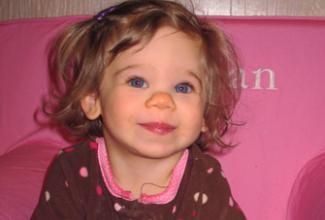
Williamsov syndróm, tiež známy ako Williamsov-Beurenov syndróm, je zriedkavá genetická porucha charakterizovaná oneskorením rastu pred a po narodení (prenatálna a postnatálna rastová retardácia), nízkym vzrastom, rôznym stupňom mentálnej nedostatočnosti a výraznými črtami tváre, ktoré sa zvyčajne vekom zvýrazňujú. Takéto charakteristické črty tváre môžu zahŕňať okrúhlu tvár, plné líca, hrubé pery, veľké ústa, ktoré sú zvyčajne otvorené, a široký nosový most s nozdrami, ktoré sa rozširujú dopredu (zatočené nosné otvory). Postihnutí jedinci môžu mať tiež nezvyčajne krátke záhyby očných viečok (palpebrálne trhliny), rozšírené obočie, malú spodnú čeľusť a výrazné uši. Môžu sa vyskytnúť aj zubné abnormality vrátane abnormálne malých, nedostatočne vyvinutých zubov (hypodoncia) s malými, štíhlymi koreňmi.
Deti s Williamsovým syndrómom majú zvyčajne priateľskú, spoločenskú a zhovorčivú osobnosť. Vhodné používanie jazyka a rozsahu slovnej zásoby môže byť u niektorých detí s touto poruchou vylepšené. Niektoré deti majú priemernú inteligenciu s ťažkými poruchami učenia. Hyperaktivita a porucha pozornosti sú tiež bežné, hoci väčšina postihnutých jedincov má dobrú dlhodobú pamäť. Niektorí postihnutí jedinci môžu mať problémy so zrakom - môžu mať tendenciu prezerať si obrázok po častiach, nie ako celok.
U starších detí a dospelých s Williamsovým syndrómom sa môžu vyvinúť progresívne problémy s kĺbmi, ktoré obmedzujú ich rozsah pohybu. Môžu byť prítomné aj abnormality skeletu, ako je zakrivenie chrbtice dozadu (lordóza), spredu dozadu (kyfóza) a zo strany na stranu (skolióza). Niektorí postihnutí jedinci môžu mať vpadnutú hrudnú kosť (pectus excavatum) a otočenie palca dovnútra smerom k ostatným prstom (hallux valgus). Abnormality kostry a kĺbov môžu mať za následok abnormálny spôsob chôdze. S pribúdajúcim vekom postihnutých jedincov sa kostrové abnormality môžu zhoršiť.
U niektorých jedincov s Williamsovým syndrómom sa môžu vyskytnúť ďalšie abnormality vrátane abnormalít obličiek, chronických infekcií močových ciest, nedostatočne vyvinutej (hypoplastickej) štítnej žľazy a pupočnej alebo inguinálnej hernie.
U väčšiny jedincov s Williamsovým syndrómom sa zdá, že sa porucha vyskytuje spontánne z neznámych dôvodov. Boli však zaznamenané aj rodinné prípady. Predpokladá sa, že sporadické a rodinné prípady sú dôsledkom delécie genetického materiálu zo susedných génov v špecifickej oblasti chromozómu 7 (7q11.23).
Diagnostika:
Williamsov syndróm je zriedkavé ochorenie, ktoré postihuje rovnako mužov i ženy. Prevalencia tejto poruchy je približne jedno z 10 000 – 20 000 narodených detí.
Diagnostika sa vykonáva na základe uvedených príznakov a ďalej na základe genetických testov, pri ktorých sa zisťujú delécie v génoch na chromozóme 7.
Zdá sa, že väčšina prípadov Williamsovho syndrómu sa vyskytuje spontánne. Boli však hlásené aj niektoré rodinné prípady poruchy. Prebiehajúci výskum naznačuje, že sporadický a familiárny Williamsov syndróm je dôsledkom delécií genetického materiálu zo susedných génov umiestnených na dlhom ramene (q) chromozómu 7 (7q11.23). Táto chromozomálna oblasť bola označená ako „oblasť chromozómu 1 Williamsovho-Beurenovho syndrómu“ (WBSCR1).
Podľa výskumníkov môže 28 génov v chromozomálnej oblasti 7q11.23 hrať príčinnú úlohu vo Williamsovom syndróme vrátane génov známych ako gén ELN (elastín), gén LIMK1 (alebo LIM kináza-1) a RFC2 (replikačný faktor C, podjednotka 2) gén. Predpokladá sa, že gén LIMK1 sa podieľa na vizuálno-priestorových problémoch spojených s Williamsovým syndrómom.
V rodinných prípadoch sa Williamsov syndróm dedí ako autozomálne dominantná vlastnosť. Genetické ochorenia sú determinované dvoma génmi, jedným získaným od otca a jedným od matky. Dominantné genetické poruchy sa vyskytujú vtedy, keď je na objavenie sa choroby potrebná iba jedna kópia abnormálneho génu. Abnormálny gén môže byť zdedený od jedného z rodičov, alebo môže byť výsledkom novej mutácie (zmeny génu) u postihnutého jedinca. Riziko prenosu abnormálneho génu z postihnutého rodiča na potomka je 50% pre každé tehotenstvo bez ohľadu na pohlavie dieťaťa.
Hyperkalcémia, ktorá je spojená s niektorými prípadmi Williamsovho syndrómu, sa môže vyskytnúť v dôsledku abnormálnej citlivosti na vitamín D.
Diagnózu Williamsovho syndrómu možno potvrdiť dôkladným klinickým vyšetrením, ktoré zahŕňa podrobnú anamnézu pacienta a špecializované krvné testy, ktoré môžu odhaliť zvýšené hladiny vápnika v krvi. Ďalší test, známy ako fluorescenčná in-situ hybridizácia (FISH), sa môže použiť na určenie, či je prítomná delécia jedného génu elastínu na chromozóme 7. Predpokladá sa, že táto delécia sa vyskytuje u väčšiny jedincov s Williamsovým syndrómom.
Terapia:
Liečba tohto syndrómu nie je možná, pretože sa jedná o geneticky podmienenú poruchu. Môžu sa teda len zmierniť prejavy nižšie uvedených príznakov.
Dojčatá s Williamsovým syndrómom, ktoré majú zvýšené hladiny vápnika v krvi, môžu byť zaradené do diéty, ktorá obmedzuje príjem vitamínu D. Príjem vápnika môže byť tiež obmedzený. U detí s ťažkou hyperkalciémiou sa môže dočasne zvážiť liečba kortikosteroidmi (napr. prednizónom). Po dosiahnutí veku približne 12 mesiacov sa hladiny vápnika zvyčajne vrátia do normálu, dokonca aj u neliečených dojčiat. Odporúča sa, aby deti s Williamsovým syndrómom vyšetril aj lekár, ktorý sa špecializuje na endokrinné poruchy (endokrinológ).
Postihnuté deti, ktoré majú príznaky súvisiace so srdcovými chybami, by mali absolvovať komplexné vyšetrenie v nemocnici, ktorá pozná tieto zriedkavé vrodené srdcové choroby. Na určenie závažnosti a presnej lokalizácie vrodených srdcových chýb sa môžu vykonať špecializované testy (t. j. EKG, echokardiogram alebo srdcová katetrizácia). Niektoré deti s Williamsovým syndrómom, ktoré majú závažné srdcové chyby, môžu vyžadovať chirurgickú liečbu na opravu defektu.
Centrá pre vývojovo postihnuté deti a špeciálne vzdelávacie služby v školách môžu byť prospešné pre deti s Williamsovým syndrómom pri dosahovaní ich osobného potenciálu. Užitočný môže byť aj podporný tímový prístup vrátane rečovej a jazykovej terapie, pracovnej a fyzikálnej terapie, sociálnych služieb a/alebo odbornej prípravy. Hudobná terapia bola obhajovaná, hoci sa to nepotvrdilo, ako poskytovanie lepšieho učenia a úľavy od úzkosti u jedincov s Williamsovým syndrómom.
Genetické poradenstvo môže byť prospešné pre ľudí s Williamsovým syndrómom a ich rodiny. Iná liečba je symptomatická a podporná.
- oneskorením rastu pred a po narodení (prenatálna a postnatálna rastová retardácia)
- nízky vzrast
- rôzny stupeň mentálnej retardácie (mierna až stredná mentálna retardácia)
- výrazné črty tváre, ktoré sa zvyčajne vekom zvýrazňujú (okrúhla tvár, plné líca, hrubé pery, veľké ústa, ktoré sú zvyčajne otvorené, široký nosový most s nozdrami, ktoré sa rozširujú dopredu -zatočené nosné otvory, niekedy nezvyčajne krátke záhyby očných viečok - palpebrálne trhliny, rozšírené obočie, malá spodná čeľusť a výrazné uši)
- môžu sa vyskytnúť zubné abnormality vrátane abnormálne malých, nedostatočne vyvinutých zubov (hypodoncia) s malými, štíhlymi koreňmi
- možné srdcové defekty (napr. obštrukcia správneho prietoku krvi z pravej dolnej komory, srdca do pľúc - pľúcna stenóza; alebo abnormálne zúženie nad chlopňou v srdci medzi ľavou komorou a hlavnou tepnou tela - supravalvulárna aorta stenóza)
- abnormálne zvýšená hladina vápnika v krvi počas dojčenského veku (dojčenská hyperkalcémia)
- muskuloskeletálne defekty a/alebo iné abnormality
- abnormality pohybového aparátu - pectus excavatum, skolióza alebo kyfóza - niekedy to obmedzuje chôdzu
- zlé vizuálno-motorické integračné schopnosti, krátky rozsah pozornosti
Pre spojenie sa s ďalšími ľuďmi s rovnakou diagnózou vo vašom okolí sa prihláste.
Prihlásenie