
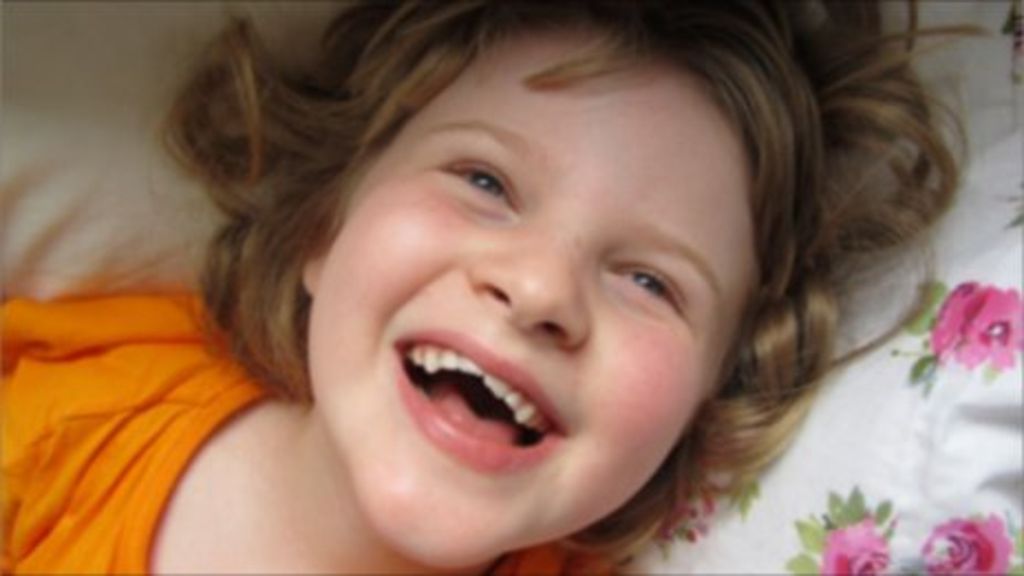
Všeobecné
Warburg Micro syndróm (angl. Warburg Micro syndrome, Micro syndome, WMS syndrome) je zriedkavá genetická porucha s autozomálne recesívnou dedičnosťou. Primárne sa vyznačuje problémami so zrakom, rastom a vývojom mozgu, čo vedie k oneskoreniu neurologického vývoja. Dotknuté deti majú ťažké intelektuálne postihnutie a oneskorený psychomotorický vývoj alebo pozastavený na rôznych vývojových míľníkoch. Medzi ďalšie príznaky patrí mikrocefália (obvod hlavy je podstatne menší, ako by sa dalo očakávať na základe veku a pohlavia dieťaťa). Niektoré deti vykazujú nedostatočný kognitívny rozvoj a zníženú aktivitu semenníkov alebo vaječníkov (hypotalamický hypogonadizmus). WMS syndróm spôsobujú zmeny v jednom z najmenej štyroch rôznych génov, RAB18, RAB3GAP1, RAB3GAP2 alebo TCB1D20. Syndróm Warburg Micro je dedený autozomálne recesívnym spôsobom - to znamená, že dieťa s WMS zdedí od každého rodiča chybný gén, rodičia sú však zdraví prenášači. V roku 1993 Warburg používa termín MICRO syndróm na opis syndrómu zahŕňajúceho mikrocefáliu, mikrokorneu, vrodenú kataraktu, mentálnu retardáciu, atrofiu zrakového nervu a hypogonadizmu. Táto porucha je súčasťou spektra chorôb, ktoré zahŕňajú aj Martsolfov syndróm na krátkom konci chromozómového ramienka a zmeny na RAB3GAP2 géne boli, ktoré boli spojené s Martsolfovým syndrómom.
Hoci vedci dokázali vytvoriť presnú definíciu syndrómu s typickými príznakmi, veľa sa o tomto syndróme nevie. Malý počet diagnostikovaných prípadov, nedostatok veľkých klinických štúdií a možný vplyv iných génov, ktoré ovplyvňujú alebo napodobňujú poruchu, zabraňujú lekárom rozvinúť úplný obraz súvisiacich symptómov a určiť prognózu. Preto je dôležité poznamenať, že postihnutí jedinci nemusia mať všetky symptómy uvedené nižšie. Každé dieťa je jedinečné, prognóza je individuálna.
Deti s WMS majú problémy so zrakom a očami. Patria sem abnormálne malé oči (mikroftalmia) a abnormálne malé rohovky (mikrokornea). Rohovky sú priehľadné, najmä povrchová časť očí. Niektoré deti majú od narodenia šedý zákal (vrodená katarakta). Katarakta zvyčajne postihuje obe oči. Môže sa tiež vyskytnúť degenerácia optického nervu (atrofia optického nervu). Optický nerv je hlavným nervom zrakovej dráhy, ktorý prenáša impulzy a vizuálne vnímanie do zrakového centra v mozgu. Zrakovo postihnuté osoby môžu byť slabozraké aj kvôli atrofii optického nervu, alebo poškodeniu zrakového centra v mozgu (kortikálna atrofia). U niektorých detí s WMS je prítomný zelený zákal oka (glaukóm).
Deti s WMS môžu mať aj atonické zreničky. Takéto zreničky sú abnormálne veľké, nepravidelne tvarované, ktoré slabo reagujú na svetlo - slabo sa zužújú. Za normálnych okolností sa zrenička zmenšuje pri zvýšenom svetle alebo pri zaostrovaní na blízke objekty, taktiež sa otvára širšie (mydriáza) v tlmenom svetle alebo tme, keď sa zameriava na vzdialené objekty alebo keď sa človek teší.
U detí s WMS býva typicky prítomné mentálne postihnutie, ktoré je často ťažkéhp stupňa. Niektoré deti nedokážu samostatne sedieť, chodiť alebo hovoriť. U niektorých detí sa vyvíja autizmus. Ojedinele sú prítomné záchvatové ataky. Existuje niekoľko abnormalít vývoja mozgu spojených s Warburg Micro syndrómom. Zahŕňajú nedostatočné rozvinutie "mosta", ktorý spája pravú a ľavú hemisféru mozgu (hypoplázia corpus callosum), nevyvinutie mozgu (kortikálna atrofia), progresívne zmršťovanie mozočka, ktoré riadi koordináciu pohybov (cerebelárna atrofia) a polymikrogyrifikácia - stav, v ktorom je nadpočet malých závitov kôry mozgu. Niektorým deťom môže dôjsť k oneskoreniu tvorby myelínového puzdra (oneskorená myelinizácia). Myelínový plášť pokrýva a chráni nervové vlákna, pôsobí ako izolátor a zvyšuje rýchlosť prenosu nervových signálov. Nálezy na mozgu môžu byť variabilné a individuálne pre každé dieťa s WMS.
Deti s WMS majú poruchu rastu a môžu mať znížený svalový tonus (hypotónia). Neskôr môže tonus byť naopak zvýšený, ktorý môže prerásť až do kŕčovitosti (spasticita) a to najmä dolných končatín Spasticita môže viesť k vzniku tuhosti a kontraktúram, kedy sa môže čiastočne alebo úplne obmedziť pohyb postihnutého kĺbu. Vyvíja sa progresívna svalová slabosť, čo môže progredovať do ochrnutia horných aj dolných končatín (kvadruplégia). Niektorým deťom sa nedostatočne vyvinú semenníky/vaječníky, alebo je znížená ich funkcia (hypotalamický hypogonadizmus). Ovplyvnení chlapci môžu mať malý penis, málo rozvinutý miešok a ich semenníky nemusia byť zostúpené. Ovplyvnené dievčatá môžu mať nedostatočne rozvinutý klitoris, pysky a býva prítomný neobvykle malý vchod vagíny (malý introitus). U dievčat môže byť hypogonadizmus mierny, alebo môže sa prejaviť aj bez povšimnutia. Niektoré dojčatá a deti s Warburg Micro syndrómom môžu mať výrazné črobratového vykĺbety tváre vrátane úzkych úst, širokej prepážky nosa a hlbokých očí. Boli popisované ďalšie príznaky vrátane abnormálneho predozadného alebo bočného krivenia chrbtice (kyfoskolóza) a nadmerného rastu vlasov (hypertrichóza).
Diagnostika:
Warburg Micro syndróm je spôsobený zmenami na jednom z najmenej štyroch rôznych génov. Štyri gény, o ktorých je známe, že sú spojené s touto poruchou, sú RAB18, RAB3GAP1, RAB3GAP2 a TBC1D20. nie u všetkých pacientov boli diagnostikované zmenené gény, preto sa predpokladá, že sa WMS sú zodpovedné viaceré gény, ktoré sú momentálne neznáme.
Gény kódujú tvorbu proteínov, ktoré zohrávajú rozhodujúcu úlohu pri mnohých funkciách tela. Keď nastane mutácia v géne, proteínový produkt môže byť chybný, neefektívny alebo chýba. V závislosti od funkcií konkrétneho proteínu môže to mať vplyv na mnoho orgánových systémov tela vrátane mozgu a očí. Genetické zmeny, ktoré spôsobujú syndróm Warburg Micro, sa zdedia autozomálnym recesívnym spôsobom. Väčšina genetických ochorení je určená stavom dvoch kópií génu, jeden získal jedinec od otca a jeden od matky. Recesívne genetické poruchy sa vyskytujú, keď jednotlivec zdedí dve kópie abnormálnyvh génov,od oboch rodičov jeden. Ak jednotlivec zdedí jeden normálny gén a poškodený gén, osoba bude nosičom choroby, ale zvyčajne vykazuje žiadne príznaky. Riziko pre rodičov, ktorí sú zdraví nosiči, bude 25% narodenia dieťaťa s WMS syndrómom. 50% pravdepodobnosť, že sa im narodí zdravý nosič a 25% pravdepodobnosť, že ich dieťa nebude ani nosičom choroby. Riziko je rovnaké pre mužov a ženy. Všetci jedinci nesú 7-8 abnormálnych génov. Rodičia, ktorí sú blízkymi príbuznými, majú väčšiu šancu, že nesú rovnaký abnormálny gén, čo zvyšuje riziko, že deti budú mať túto recesívnu genetickú poruchu.
Warburg Micro syndróm je veľmi zriedkavá porucha. Tak, ako u mnohých zriedkavých porúch, nie je známa presná incidencia alebo prevalencia tejto poruchy. Častokráť je syndróm je nesprávne diagnostikovaný alebo nediagnostikovaný, čo sťažuje určenie skutočnej frekvencie v celej populácii. Menej ako 100 ľudí s touto poruchou bolo opísaných v lekárskej literatúre.
Liečba:
Liečba je symptomatická, liečenie príznakov a postihnutia.
- zväčša ťažké mentálne postihnutie
- u niektorých detí prítomný autizmus
- hypotónia (znížený svalový tonus)
- problémy so zrakom - mikroftalmia (malé oči), atonické zreničky
- neskôr zvýšený svalový tonus až spasticita (kŕčovitosť svalov)
- problémy s kĺbami
- zmenšené pohlavné orgány
- úzke ústa, široký nos, hlboké oči
- niekedy abnormálne vykĺbenie chrbtice (kyfoskolóza) a nadmerný rast vlasov (hypertrichóza)
Pre spojenie sa s ďalšími ľuďmi s rovnakou diagnózou vo vašom okolí sa prihláste.
Prihlásenie