
Všeobecné
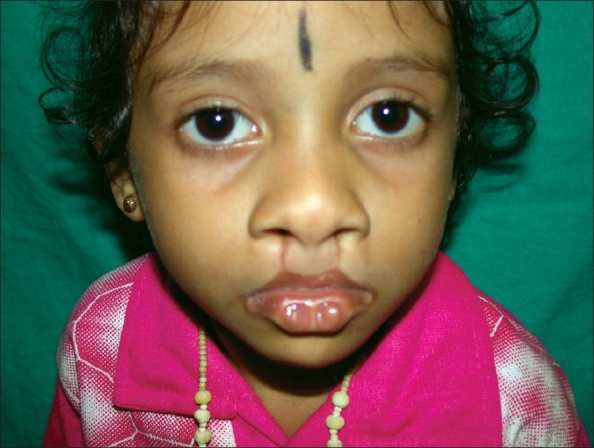
Van der Woudeov syndróm (angl. Van der Wounde syndrome, Lip pit syndrome) ovplyvňuje vývoj tváre. Mnoho ľudí s touto poruchou sa narodilo s rázštepom podnebia alebo pery. Títo jedinci majú zvyčajne „diery“ (jamky) v blízkosti spodnej pery, ktoré sú vlhké kvôli prítomnosti slín. Tiež sa nazhromažďujú kopy tkaniva na dolnom okraji. V niektorých prípadoch majú ľudia s Van der Woudeovým syndrómom chýbajúce zuby. Rast a inteligencia sú zvyčajne normálne. Tento stav je spôsobený mutáciami v IRF6 géne a je zdedený autozomálne dominantným spôsobom.
Van der Woudeov syndróm sa zdedil autozomálne dominantným vzorom, čo znamená, že jediná kópia zmeneného génu v každej bunke je dostatočná na to, aby spôsobila poruchu. Vo väčšine prípadov má postihnutá osoba jedného rodiča s týmto syndrómom. Občas sa stáva, že osoba, ktorá má kópiu zmeneného génu, nevykazuje žiadne známky alebo príznaky poruchy.
Diagnostika:
Van der Woude syndróm by sa mal zvážiť u každého dieťaťa narodeného s rozštiepeným perou alebo podnebím. Diagnózu môžu definitívne potvrdiť genetické testy. U tohto syndrómu je dobré, ak sa genetickým testom podrobia i rodičia.
- častý rázštep podnebia (prítomné u 30% až 79% prípadov)
- zvýraznená „jamka“ na spodnej pere (prítomné u 30% až 79% prípadov)
- abnormalita slinných žliaz (príležitostne - prítomné u 5% - 29% prípadov)
- rázštep hornej pery (príležitostne - prítomné u 5% - 29% prípadov)
- hypodoncia – znížený počet zubov(príležitostne - prítomné u 5% - 29% prípadov)
- autozomálne dominantné dedičstvo
- zdvojený čapík v hrdle(uvula bifida)
Pre spojenie sa s ďalšími ľuďmi s rovnakou diagnózou vo vašom okolí sa prihláste.
Prihlásenie