
Všeobecné
Odhaduje sa, že mentálne postihnutie (intelectual disability ID) postihuje ∼2% svetovej populácie. Táto rozsiahla zbierka klinicky variabilných a geneticky heterogénnych porúch mozgu sa vyznačuje predovšetkým oslabenou schopnosťou učiť sa a pamätať si. Sociálno-ekonomický vplyv ID je značný. V súčasnosti existuje viac ako 380 génov a stovky ďalších lokusov, v ktorých mutácie (alebo variácie počtu kópií; CNV) spôsobujú ID. Odhaduje sa, že 10-15% génov ID je na chromozóme X, známom tiež ako X-linked ID (XLID) . Aj keď identifikácia celého spektra genetických príčin ID zostáva hlavnou výzvou, lepšie pochopenie molekulárnych dráh, ktoré sú základom ID, sa stáva bezprostredným.
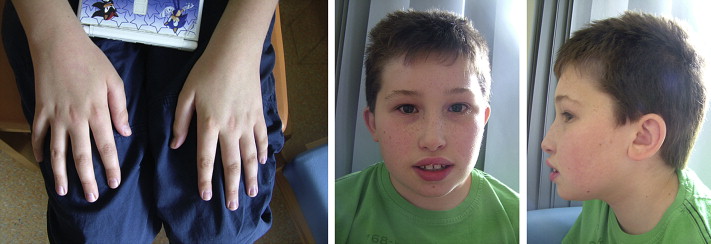
Zistilo sa, že mutácie v géne UPF3B spôsobujú XLID (MIM: 300676). Doteraz je známych asi 10 oddelených rodín s mutáciami UPF3B, vrátane náhodných mutácií, ktoré všetky vedú k strate funkcie UPF3B (4–8). Okrem mentálneho postihnutia sa u pacientov s UPF3B prejavuje aj porucha pozornosti s hyperaktivitou (ADHD), autizmus a schizofrénia. Závažnosť a typ klinických prejavov sa tiež líšia v rámci rodín a medzi rodinami (4–6). Tieto a molekulárne, celé transkriptómové analýzy pacientskych buniek UPF3B naznačujú, že proteín UPF3B je rozhodujúci pre normálny vývoj a funkciu mozgu. Čo je základným molekulárnym mechanizmom, zostáva do značnej miery neznáme.
Pacienti s mutáciami UPF3B so stratou funkcie majú vysoko variabilný neurologický fenotyp. To by naznačovalo, že funkcia UPF3B je dôležitá pre normálny vývoj mozgu; naše chápanie základných molekulárnych procesov je však stále obmedzené. Celkovo údaje naznačujú, že Upf3b-NMD je kľúčovým regulátorom viacerých procesov vývoja mozgu, ktoré pravdepodobne podopierajú aspekty klinických prejavov variabilného ID, autizmu, ADHD a schizofrénie začínajúcej sa v detstve u pacientov s UPF3B.
- rôzne stupne mentálneho postihnutia
- autizmus
- schizofrénia (niekedy začínajúca už v destve)
- porucha pozornosti
- hyperaktivita
Pre spojenie sa s ďalšími ľuďmi s rovnakou diagnózou vo vašom okolí sa prihláste.
Prihlásenie