
Všeobecné
Genetický syndróm trizómia 20p (angl. trisomy 20p, chromosome trisomy 20p) je vrodená chromozómová porucha, ktorá spôsobuje vývojovú poruchu. Môžu sa vyskytnúť aj rôzne typy malformácií. Tento syndróm bol prvýkrát popísaný v roku 1977 U. Franckem a W. Centerwallom. V dosupnej literatúre bolo popísaných iba 40 ľudí s týmto syndrómom.
Trizómia 20p je chromozomálna abnormalita vyplývajúca z duplikácie frakcie krátkeho ramena chromozómu 20 s premennou dĺžkou bez rekurentných zlomov. Môže sa vyskytnúť de novo, ale väčšina hlásených prípadov vzniká z recipročnej translokácie alebo, ako je to popísané v niekoľkých prípadoch, rodičovskej inverzie. Trizómia 20p sa preto často spája s inou chromozómovou nerovnováhou, ktorá môže zmeniť klinický obraz. Bola hlásená čistá trizómia 20p vyplývajúca z tvorby izochromozómov a translokácie celého ramena. Presné korelácie genotypov a fenotypov zostávajú nedostupné kvôli malému počtu pacientov a heterogenite zlomových bodov.
Diagnostika:
Diagnóza je založená na klinických prejavoch vedúcich k chromozomálnej analýze. V závislosti od ich veľkosti môžu byť čiastočné 20p duplikácie diagnostikované klasickým alebo molekulárnym karyotypom. Molekulárne techniky sú potrebné pre genetickú charakterizáciu duplikácie (FISH, MLPA, CGH pole). Zhruba štvrtina chromozómovej aberácie pri syndróme trisómie 20p sa vyskytla v genitálnej bunke spojenej s tvorbou genitálnych buniek. Rodičia potom majú normálne chromozómy a riziko vzniku ďalších detí so syndrómom je veľmi malé. Ak je chromozómová aberácia u dieťaťa spôsobená vyváženou translokáciou jedného z rodičov, existuje riziko opakovania v novom tehotenstve.
Liečba:
Pri narodení majú deti so syndrómom zvyčajne normálnu hmotnosť a dĺžku, ale majú uvoľnené svaly a kĺby. Môžu mať ťažkosti s saním. Asi jedna štvrtina má vrodenú malformáciu srdca. Z nich niektoré Fallotove tetradédy, kombinácia štyroch rôznych srdcových chýb alebo inej závažnej kardiálnej malformácie. Malformácie obličiek sa vyskytujú u každého štvrtého dieťaťa so syndrómom. Ďalšie bežné chyby sú vrodené - zlomeniny bradaviek a pľúc. Prognóza je premenlivá v závislosti od veľkosti a umiestnenia duplikácie a od kvality a načasovania liečby. Presná dĺžka života nie je známa a závisí od toho, či sú prítomné závažné vrodené anomálie. Väčšina jedincov sa však dožíva dospelosti (staroby). Liečba je symptomatická.
- spomalený psychomotorický vývoj
- mierne až stredne ťažké mentálne postihnutie
- zlá motorická koordinácia
- výrazné oneskorenie reči
- ťažkosti s artikuláciou určitých zvukov
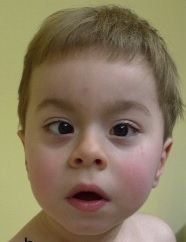
- okrúhla (plná) tvár
- husté (zvyčajne rovné) vlasy
- bočné oblúkové obočie
- rozšírené nosné dierky
- vysoké klenuté podnebie
- abnormálne zuby
- veľké uši
- anomálie skeletu (splynutie stavcov, zmenšenie medzistavcových príznakov, zmenšenie medzistavcových priestorov, spina bifida, skolióza, kyfóza)
- deformácia bedra
- u niekoľkých pacientov osteoporóza
- niekedy vrodené srdcové chyby
- prirodzená hmotnosť a rast
- menej často pupočná alebo inguinálna hernia a hypostadia
Pre spojenie sa s ďalšími ľuďmi s rovnakou diagnózou vo vašom okolí sa prihláste.
Prihlásenie