Treacher Collinsov syndróm
Find a cause you want to help. Every contribution counts.

Všeobecné
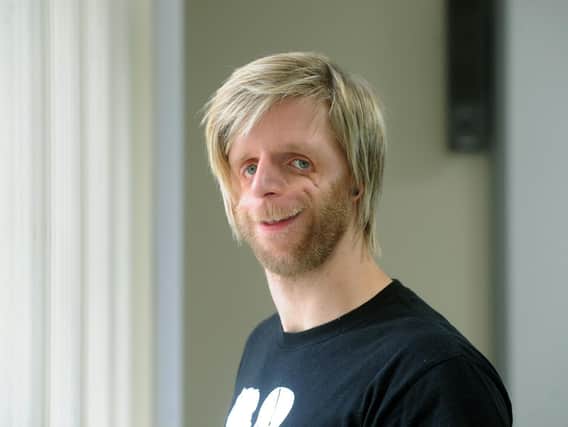
Treacher Collinsov syndróm, známy tiež ako mandibulofaciálna dyzostóza (anglicky Treacher Collins syndrome / mandibulofacial dysostosis) je autozomálne dominantné dedičné ochorenie, ktoré postihuje kosti a iné tkanivá tváre s následnými deformáciami a charakteristickou zmenou vzhľadu. Postihnutie býva v populácii 1:50 000.
Intelekt pacientov zostáva vo väčšine bezo zmien. Je to zriedkavé dedičné ochorenie, ale v 60% je tento syndróm následkom novej mutácie vplyvom vonkajšieho prostredia (vplyvom liekov, žiarenia a ďalších vonkajších vplyvov na plod). Viac postihuje ženy ako mužov, pravdepodobnosť prenosu na ich potomka je až 50%.
Diagnostika:
Diagnózu určíme na základe klasickej morfológie tváre spolu s poruchou sluchu a dýchacími ťažkosťami. Dôležité je genetické vyšetrenie a potvrdenie prítomnosti mutácie.
Liečba:
Liečba Treacher-Collins neexistuje, korigujú sa prejavy tohto syndrómu. Patria sem chirurgické zákroky na plastickej chirurgii pre zlepšenie vzhľadu, liečba hluchoty ušnými pomôckami, liečba dýchacích ťažkostí, vývojových čeľustných anomálií ortodonticky alebo chirurgicky, logopedická terapia pri rázštepe a ďalšie.
- nevyvinuté kosti tváre a z toho vyplývajúce deformity - najviac sú postihnuté lícne kosti
- zošikmené oči smerom nadol
- nevyvinuté spodné viečka a náchylnosť k vysychaniu očí
- čiastočne resp. úplne nevyvinuté lícne kosti
- prepadnutie spánkovej oblasti
- nápadný nos
- mikrocia ušníc (deformácia) alebo uši úplne chýbajú
- vrodená nepriechodnosť vonkajšieho zvukovodu a deformity kostičiek stredného ucha - rôzne
- stupne poruchy sluchu
- rázštepové chyby sa rôznia čo do závažnosti aj lokalizácie (pery alebo čeľuste)
- mikrognácia čeľuste (menšia dolná čeľusť ako horná, vzhľad zapadnutej brady)
- otvorený vkus
- krivé postavenie zubov
- vlasové lôžka zasahujúce v podobe kotliet u oboch pohlaví
- ťažkosti s dýchaním
- sťažené prehĺtanie z dôvodu rázštepových chýb
- opakované infekcie očí
Pre spojenie sa s ďalšími ľuďmi s rovnakou diagnózou vo vašom okolí sa prihláste.
Prihlásenie