
Všeobecné
Hemoglobín sa skladá z dvoch podjednotiek alfa a z dvoch podjednotiek beta (každá zo štyroch podjednotiek je označená inou farbou, hoci sú vždy dve a dve totožné). Porucha tvorby jednej z podjednotiek má za následok talasémiu.
Talasémia je súborné označenie pre niekoľko dedičných ochorení krvi, ktoré vznikajú v súvislosti s poruchou tvorby niektorej zo zložiek krvného farbiva hemoglobínu. Prejavujú sa prítomnou anémiou a z toho vyplývajúcich ťažkostí, ktorá má veľa stupňov závažnosti. V typickom prípade je táto choroba dôsledkom poruchy tvorby bielkovinovej podjednotky α (tzv. Α-talasémia) či ß (tzv. ß-talasémia) - vzácne podjednotky γ a δ spôsobujú talasémiu len zriedka.
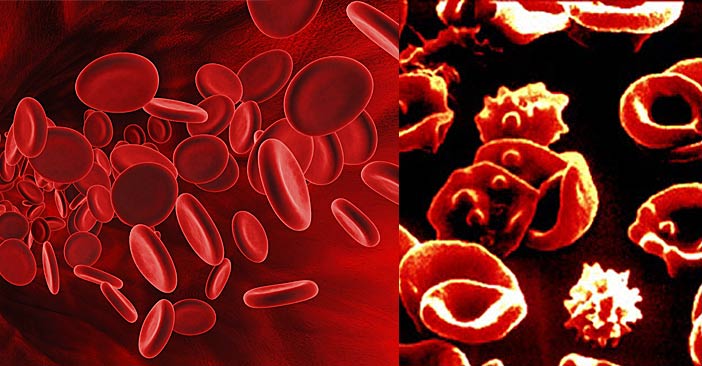
Talasémia patrí medzi tzv. Hemoglobinopatie - inak vyzerajúci hemoglobín. Dochádza k čiastočnému či totálnemu nedostatku hemoglobínových podjednotiek, čím vznikajú problémy s dopravovaním kyslíka ku tkanivám.
Diagnostika:
Talasémie vznikajú mutáciou zodpovedajúcich génov pre danú podjednotku hemoglobínu. Ak je mutované jedna alela z daného génu, potom sa hovorí o minor (heterozygotnej) talasémii; keď sú mutované obe alely, vzniká tzv. major talasémia (homozygotná). Homozygotná α-talasémia je takmer nezlučiteľná so životom (plod často umiera ešte v maternici v dôsledku nedostatku kyslíka), homozygotná ß-talasémiou má rovnako veľmi ťažký priebeh a u žien vedie k neplodnosti. Heterozygotná talasémia má všeobecne oveľa miernejší priebeh.
Liečba:
Závisí od stupňa závažnosti a komplikácii. Podľa potreby sa podávajú transfúzie krvi, splenektómia (odoperovanie sleziny), liečba pečene, chronickej hepatitídy, liečba ostatných komplikácii. Niekedy je liečbou transplantácia krvotvorých buniek.
- Príznaky talasémie alfa:
- anémia - podľa závažnosti môže byť bez symptomatológie, alebo spôsobuje dýchavičnosť, bledosť kože a spojoviek, búšenie srdca, odpadávanie a kolapsy, šušťanie v ušiach, únava, slabosť,
- chudnutie, neprospievanie, atď.
- hepatomegália (zväčšená pečeň), splenomegália (zväčšená slezina)
- vredy na predkolení
- vybitie krvotvorby v kostnej dreni - infekcie, anémia, krvácanie
- zmeny skelelálneho vývoja, metabolické zmeny
- osteopénia a náchylnosť na lámavosť kostí
- kompresívne zlomeniny stavcov
- rebrá sú konvečného tvaru, viac hranatéPríznaky talasémie beta:
- anémia rôzneho stupňa, neefektívna erytropoéza (tvorba červených krviniek)
- žltačka kvôli zvýšenému rozpadu červených krviniek
- zlyhávanie srdca a arytmie
- chronická hepatitída, hepatomegália, zmeny žlčníka a sleziny
Pre spojenie sa s ďalšími ľuďmi s rovnakou diagnózou vo vašom okolí sa prihláste.
Prihlásenie