
Všeobecné
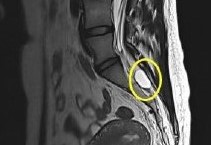
Tarlovova cysta (anglicky Tarlov cyst, perineurial cysts) je cysta, ktorá sa vyskytuje v oblasti chrbticového kanála na úrovni stavcov S1 až S4 (1. až 4. krížový stavec) a je vyplnená mozgovomiechovým mokom. Menej často sa vyskytuje v oblasti krčnej, hrudnej či bedrovej chrbtice. Tieto cysty sú pomenované po neurológovi Isadoreu M. Tarlovovi, ktorý ich popísal už v roku 1938.
Tarlovove cysty sú pomerne časté v porovnaní s inými neurologickými cystami a zvyčajne sú bezpríznakové. Často ich teda nachádzame náhodne pri magnetickej rezonancii alebo CT vyšetreniach popri iných zdravotných ťažkostiach. Stena tarlovovej cysty je tenká a vláknitá a je tak náchylná na prasknutie pri dotyku, teda ich chirurgické odstránenie je pomerne zložité, odborníci indikujú chirurgický zákrok v ojedinelých a závažných prípadoch. TC spôsobuje bolesti rôznej intenzity, prípadne spôsobuje útlak nervov. Intenzita príznakov závisí od lokality a veľkosti cysty. Asymptomatické cysty môžu progredovať, zväčšovať sa a bolesti naberajú na intenzite. Tarlova cysta nie je genetický syndróm, je to porucha nervového systému.
Príčina:
TC nie je genetický syndróm, je to porucha nervového systému. Presná príčina TC nie je známa. Niektoré teórie poukazujú na TC ako výsledok zápalového procesu nervových koreňov alebo potraumatický proces, ktorý spôsobý pretekanie mozgovomiechového moku do oblasti, v ktorej sa vytvorí cysta. Podľa niektorých výskumov je TC výsledok abnormálnej kongenitálnej komunikácie medzi subarachnoideálnym priestorom, v ktorom sa prirodzene nachádza mozgovomiešny mok a oblasťou, ktorá je ohlaničná nervovými vláknami (perineurálna oblasť). Komunikácia sa v konečnom dôsledku uzavrie a následne sa vytvorí cysta.
Prejavy:
Veľakrát sú Tarlovove cysty asymptomatické. Môžu rásť a nakoniec spôsobovať kompresiu alebo útlak a poškodenie nervových koreňov (radikulopatia). Intenzita prejavov je individuálna a závisí od veľkosti a lokality cysty. Najčastejšie spôsobujú chronickú bolesť. Lumbo-sakrálne cysty spôsobujú bolesti krížovej oblasti, najmä pod pásom, bolesť môže vyžarovať do sedacej oblasti alebo dolnej končatiny. Bolesť sa môže zintenzívniť pri chôdzi (neurogénna klaudikácia). Symptómy sa môžu zhoršovať. Niektorí pacienti popisujú bolesti najmä pri sedení alebo stoji, poloha v ľahu môže uvoľňovať bolesť. V prípadoch, keď je cysta umiestnená vyššie miechy, sa popisuje bolesť hrudnej chrbtice, krku, ramien a rúk. Bolesť sa zhoršuje pri kašlaní alebo kýchaní. Popisované sú tiež bolesti v oblasti genitálií, skróta, panvy alebo brucha.
Medzi ďalšie príznaky patrí strata funkcie neurónov, ktoré sú utláčané, teda slabosť končatín, vymiznutie neurologických reflexov v oblasti inervácie nefunkčného nervu, strata citlivosti, zmena vyprázdňovania stolice, alebo funkčná porucha močenia ako inkontinencia, bolestivé močenie (dyzúria). Niektorí pacienti sa sťažujú na nemožnosť močenia alebo zápchu. Objaviť sa môže aj porucha sexuálnej funkcie ako impotencia.
V literatúre sú popisované chronické bolesti hlavy, zahmlievanie pred očami, tlakové bolesti očí, závrate, ťahanie nohy kvôli svalovým slabostiam.
Diagnostika:
Dve najviac bežne používané a efektívne zobrazovacie metódy pre vyšetrenie Tarlovovej cysty sú MRI a CT.
Liečba:
Existuje veľa možností liečby pre zmiernenie symptómov spôsobených týmito cystami, ale ich účinnosť je diskutabilná. Ak však dochádza k útlaku nervov, je vhodné sa prikloniť k operačnej liečbe. Najprv sa pristupuje k užívaniu analgetickej terapie, eventuálne k punkcií cysty, avšak tento zákrok môže mať aj svoje nežiaduce účinky. Dôležité je tieto cysty kontrolovať rajónnym neurológom, ktorý v prípade nutnosti odošle pacienta na konzultáciu neurochirurgom na vykonanie operačného zákroku.
- bolesť v oblasti prítomnej cysty, bolesti chrbta
- parestézie (brnenie), vystreľovanie najmä dolných končatín alebo sedacej oblasti- v oblasti utlačaného nervu
- zníženie citlivosti a poruchy hybnosti dolných končatín
- sťažená alebo bolestivá chôdza
- útlak nervového tkaniva v oblasti cysty
- vyžarovanie bolesti na vonkajšiu stenu stehna
- bolesť v slabinách
- bolesti po vyprázdňovaní, zápcha
- sexuálna dysfunkcia
- inkontinencia moču
- bolesť v podbrušku
- často asymptomatické narušenie okolitého kostného tkaniva
- chronické bolesti hlavy
Pre spojenie sa s ďalšími ľuďmi s rovnakou diagnózou vo vašom okolí sa prihláste.
Prihlásenie