
Všeobecné
Spinálna svalová atrofia (SMA - Spinal muscular atrophy) je vrodené ochorenie, pri ktorých dochádza k postupnému ubúdaniu svalstva, a teda schopnosti sa pohybovať. Postihnuté bývajú viac dolné končatiny ako horné, dotknutí tiež mávajú ťažkosti s prehĺtaním, neskôr aj s dýchaním. Postup choroby je individuálny, pretože ho ovplyvňuje mnoho faktorov. Jednou z vážnych a častých komplikácií je dychová nedostatočnosť, ktorá sa môže stať aj príčinou smrti.
SMA I. typu, akútna infantilná forma (tiež choroba Werdniga a Hoffmanna I) bola pomenovaná podľa G. Werdniga a J. Hoffmanna, ktorí chorobu ako prví popísali. Tá sa prejavuje v priebehu prvých 4-6 mesiacov veku spomalením motorického vývoja. Hneď po narodení ale býva zrejmá výrazná svalová hypotónia a ochudobnenie pohybu. Deti trpiace SMA I obyčajne neprežijú 2 roky života.
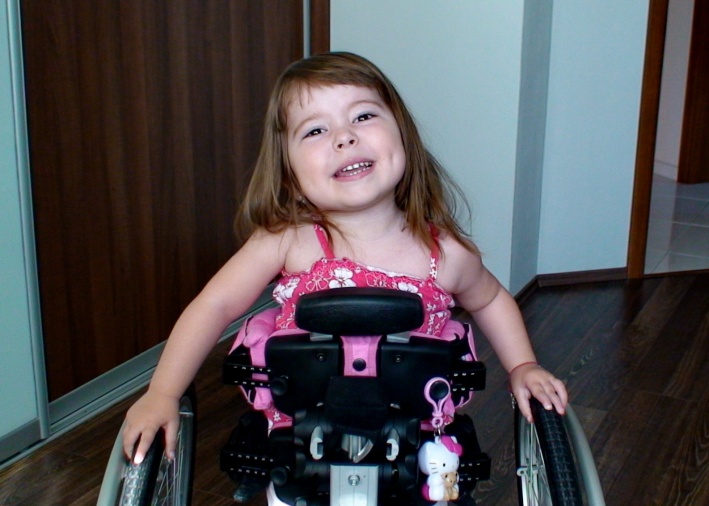
Príznaky SMA II. typu, chronické infantilné alebo intermediálne formy (tiež choroby Werdniga a Hoffmanna II), sa začínajú zvyčajne objavovať medzi 6. až 24. mesiacom veku. Tieto deti sa spravidla naučia sedieť, niekedy dokážu aj samé stáť alebo urobiť pár prvých krôčikov. Samostatnej chôdze nie sú ale nikdy schopné, čoskoro totiž dochádza k poklesu dosiahnutej úrovne motorického vývoja vrátane schopnosti stáť. Intelekt týchto detí však nie je postihnutý. Vďaka dlho pretrvávajúcim hybnostiam rúk môžu ovládať elektrický vozík, a tak sa aspoň čiastočne samostatne pohybovať, čo je pre nich veľmi dôležité z psychického hľadiska. Sú však veľmi náchylní k respiračným infekciám a príčinou ich úmrtia býva nezvládnutá dychová nedostatočnosť. Ak majú ľudia s SMA II. typu zaistenú kvalitnú starostlivosť, dožívajú sa priemerne 30-50 rokov. U SMA I a II sa väčšinou vyvinie ťažká skolióza, čo spolu so slabosťou dýchacieho svalstva môže viesť k závažným pľúcnym komplikáciám aj smrti.
SMA III. typu, juvenilná forma (tiež choroba Wohlfartova-Kugelbergova-Welanderova), začína zvyčajne v predškolskom či školskom veku. Najprv sa zvyčajne prejaví poruchami chôdze vyvolanými narastajúcou slabosťou svalstva nôh. Postupne sa zhorší aj hybnosť rúk, klesá sila svalstva trupu. Medzi 20 až 40 rokmi veku pacienti strácajú pohyblivosť.
U SMA IV. typu (adultná forma) sa prvé príznaky zvyčajne objavia až po 35. roku. Postup choroby býva zvyčajne veľmi pomalý.
Liečba:
Liečba príčin tejto choroby ešte neexistuje; do istej miery možno ovplyvňovať jej príznaky. Ťažkosti niektorých pacientov môže významne zlepšiť podporná pľúcna ventilácia, ktorá môže čiastočne spomaliť aj postup základného ochorenia. Tomu napomáha tiež rehabilitácia s využitím Vojtovej metódy, vodoliečby a elektroliečby. Hlavným cieľom je čo najdlhšia udržateľnosť hybnosti a pokiaľ možno aj zabezpečenie vzpriameného postoja, napr. za pomoci nastavovacieho stola alebo ortéz. Spočíva v tom aj prevencia vzniku skoliózy a osteoporózy, ako aj dýchacích a tráviacich ťažkostí.
- postupné ubúdanie svalstva s schopnosti sa pohybovať Rozlišujú sa 4 hlavné skupiny tejto choroby:
- infantilné (SMA I)
- intermediálne (SMA II)
- juvenilné (SMA III)
- adultné (SMA IV)
Pre spojenie sa s ďalšími ľuďmi s rovnakou diagnózou vo vašom okolí sa prihláste.
Prihlásenie