Shprintzen-Goldberg syndróm
Find a cause you want to help. Every contribution counts.

Všeobecné
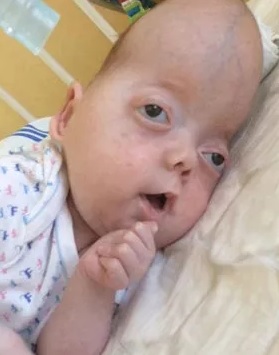
Shprintzen-Goldberg syndróm (angl. Shpritzen Goldberg syndrome, craniosynostosis) je veľmi vzácne vrodené ochorenie, ktoré poškodzuje viaceré časti tela - tvárové dysmorfie, neurologické a skeletálne abnormality. Veľmi často je považovaný za Marfanov syndróm, pretože má množstvo podobných čŕt.
Diagnostika:
Diagnóza je založená na klinickom náleze. Definitívne ho potvrdí genetické vyšetrenie, ktorá detekuje prítomnosť známej mutácie. Toto ochorenie popísali autori už v roku 1979, konkrétne americkí lekári Robert F. Shprintzen a Rosalie B. Goldberg. O rok neskôr ho skompletizovali G. Sugarman a M. W. Vogel. Vrodené ochorenie si nemožno zamieňať so Shprinzen syndrómom (Mikrodelečný syndróm 22q11). Frekvencia vzniku je menšia ako 1:1 000 000, teda jedná sa o veľmi raritný syndróm, keď pred popisom vykazovali znaky iba 60 pacienti. Dedičnosť je autozomálne dominantná. Jedná sa o čiastočnú mutáciu v géne SKI na chromozóme 1 lokuse p36.33-p36.32 aleb FBN1 v chromozóme 15 a lokuse q21.1.
Liečba:
Liečba je symptomatická, teda riešenie príznakov. Riešia sa dané poškodenia - sú v starostlivosti kardiológa, ortopéda, chirurga...Nutná je včasná intervencia, rehabilitačné cvičenia už od narodenia, starostlivosť špeciálnych pedagógov.
- podobné črty tela a tváre - kraniofaciálne anomálie (najmä kraniosynostóza) - predčasné zrastanie lebečných švov - teda lebka nemôže rásť symetricky, "zvädnuté" ústa, exoftalmus - oči sú výrazne "vypuklé", výrazné obočie, hypertelorizmus - oči sú ďaleko od seba, široký koreň nosa, dlhý a úzky tvar hlavy a tváre, gotické podnebie, mikrognácia - malá sánka malformácie skeletu
- podobná konštitúcia tela - dlhé končatiny, vpadnutý hrudník, skolióza, marfanoidný jazyk)
- abnormality srdca
- kostrové abnormality
- omfalokéla (pupočníková prietrž) mentálne postihnutie
- abnormality kardiovaskulárneho systému - väčšinou ľahšie formy poškodenia
- oneskorený psychomotorický vývin
- hypotónia - znížený svalový tonus
- hypermobilita kĺbov
- široká škála mentálneho postihnutia (ľahká až stretne ťažká)
- poruchy učenia
- omfalokéla - pupočníková hernia, ingvinálna hernia - slabinová prietrž
- hypoplázia (hltan a hrtan)
Pre spojenie sa s ďalšími ľuďmi s rovnakou diagnózou vo vašom okolí sa prihláste.
Prihlásenie