Schwartzov-Jampelov syndróm I. typu
Find a cause you want to help. Every contribution counts.

Všeobecné
Schwartzov-Jampelov syndróm I. typu (SJS I, Schwartz-Jampel syndrome type I) je dedičné ochorenie, ktoré sa rozdeľuje do dvoch typov. Často sú tieto podtypy označované ako SJS I. typu a SJS II. typu. Prvé prípady SJS boli popísané v roku 1962 Oscarom Schwartzom a Robertom S. Jampelem. Typ I sa rozdeľuje do dvoch podtypov, na A a B.
Príčina:
Ako už bolo uvedené v úvode, jedná sa o genetické ochorenie, ktoré je dedičné autozomálne recesívne. Ide o chybu v géne pre tzv. proteoglykánov, ktorý je súčasťou bunkovej membrány napr. u buniek v chrupavke. Presná mutácia však doteraz nie je objavená.
Prognóza:
Väčšina pacientov so syndrómom SJS má dobrú prognózu. Svalová stuhnutosť, svalová slabosť a svalová abnormalita - sa môžu postupne zhoršovať, ale väčšinou ostanú v podstate stabilné. Neexistujú ani dôkazy o tom, že by SJS I typu nejako významne skracovala prežitie pacienta.
Diagnostika:
Diagnostika je veľmi obtiažna, keďže nie je známa ani konkrétna mutácia v géne pre proteoglykány, genetické vyšetrenie nie je tak úplne priekazné.
Liečba:
Liečba je v tomto prípade len symptomatická. Pretrváva snaha o zníženie príznakov. Taktiež potrebujú pacienti psychosociálnu podporu. Nutné sú cvičenia na zlepšenie svalovej aktivity, zlepšenie svalovej stuhnutosti a popustenie kontraktúr. Taktiež je potrebné dobré držanie tela. Ako farmakologická terapia sa používa BOTOX na blefarofimózu.
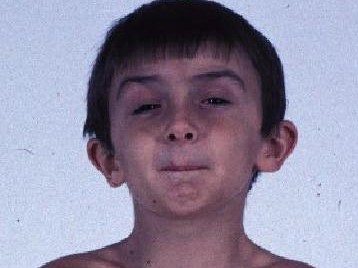
- kongenitálna blefarofimóza (horizontálne úzka horná štrbina)
- svalová stuhnutosť
- tuhosť nezmizne ani počas spánku
- typické črty tváre, zvraštený výraz tváre
- husté obočie
- prejaví sa už v priebehu prvého roku života
- svalová slabosť
- drobné morfologické abnormality skeletu (vývojové poruchy kostry
Pre spojenie sa s ďalšími ľuďmi s rovnakou diagnózou vo vašom okolí sa prihláste.
Prihlásenie