
Všeobecné
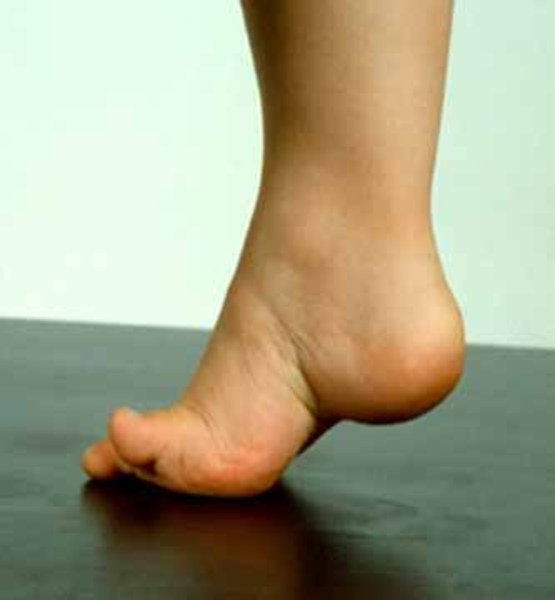
Roussy-Lévyho syndróm, tiež známy ako dedičná areflexická dystázia, je zriedkavá genetická neuromuskulárna porucha, ktorá sa zvyčajne prejavuje v ranom detstve. Porucha je charakterizovaná nekoordinovanosťou, zlým úsudkom pohybov (senzorická ataxia) a absenciou reflexov (areflexie) dolných končatín a prípadne rúk; slabosť a degenerácia (atrofia) svalov dolných končatín; abnormálne vysoké klenby chodidiel so zvýšeným predĺžením prstov (pes cavus alebo „pazúr“); a chvenie rúk. Mnoho postihnutých jedincov má tiež abnormálne predné a zadné zakrivenie chrbtice (kyfoskolióza). U jedincov s Roussy-Lévyovým syndrómom dochádza k zlyhaniu komunikácie určitých nervových signálov so svalmi dolných končatín (denervácia). Roussy-Levyho syndróm je dedičný ako autozomálne dominantný genetický znak.
Diagnostika:
Roussy-Lévy sa dedí autozomálne dominantným genetickým prenosom. Ľudské vlastnosti, vrátane klasických genetických chorôb, sú výsledkom interakcie dvoch génov, jedného prijatého od otca a druhého od matky. Pri dominantných poruchách bude jedna kópia génu choroby (získaná od matky alebo otca) vyjadrená tak, že „dominuje“ nad iným normálnym génom, čo povedie k vzniku ochorenia. Riziko prenosu poruchy z postihnutého rodiča na potomka je 50 percent pri každom tehotenstve bez ohľadu na pohlavie výsledného dieťaťa.
Vedecké dôkazy publikované v roku 1998 naznačujú, že Rousy Lévyho syndróm sa zdá byť formou Charcot Marie Tooth Disease, pretože je spôsobený čiastočnou duplikáciou rovnakého génu, ktorý spôsobuje CMT (17p11.2). Roussy-Lévy je zriedkavá porucha, ktorá postihuje obe pohlavia v rovnakom počte. Začiatok je v ranom detstve.
Terapia:
Liečba Roussy-Lévyho syndrómu môže zahŕňať použitie ortéz na deformáciu chodidla alebo ortopedickú operáciu chodidiel na korekciu nerovnováhy postihnutých svalov. Genetické poradenstvo môže byť prospešné pre pacientov a ich rodiny. Ďalšia liečba je symptomatická a podporná.
- slabosť a atrofia nôh (s určitou stratou pocitu)
- ťažkosti s chôdzou
- nedostatok reflexov
- deformácia chodidiel
- skorý nástup (už v detstve) a progresívny priebeh
- niekedy mierne chvenie v rukách
- abnormálne predné a zadné zakrivenie chrbtice
Pre spojenie sa s ďalšími ľuďmi s rovnakou diagnózou vo vašom okolí sa prihláste.
Prihlásenie