
Všeobecné
Rettov syndróm je neurogenetické vývinové ochorenie a prejavujúce sa takmer výhradne u ženského pohlavia, pretože chlapci s touto chorobou majú už počas tehotenstva tak závažné príznaky, že buď dôjde k potratu, alebo prežijú len niekoľko dní či mesiacov.
Ochorenie bolo preukázané po celom svete s udávanou prevalenciou 1: 10-22 tis. žijúcich žien. Príčinou je mutácia v MECP2 génu, ktorý je uložený na X chromozóme.
Deti s Rettovým syndrómom sa do svojho 6. až 18 mesiaca života vyvíjajú rovnako ako zdravé deti a dosahujú mílniky v priemerných obdobiach (pretáčanie sa, štvornožkovanie, chôdza, rozvoj reči,...). Po tomto čase však nastane stagnácia, až regresia/strata schopností, ktoré dovtedy nadobudli. Postupne od tohto bodu deti strácajú svalovú schopnosť, nastáva porucha koordinácie a a strata kontroly nad pohybmi, zhoršená komunikácia. Rettov syndróm tiež môže spôsobovať kŕčové stavy, poruchu intelektu.
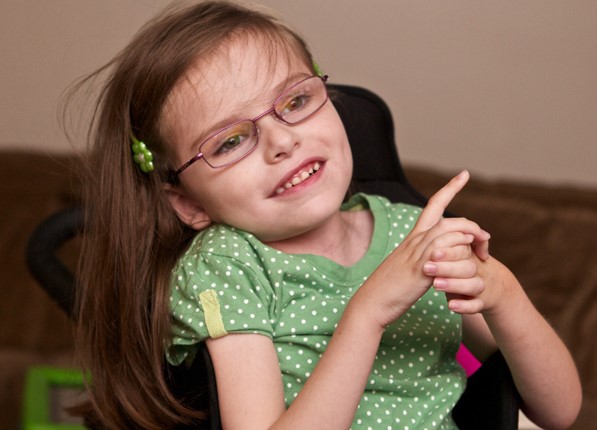
Typické sú abnormálne tiky respektíve neefektívne pohyby rúk, ktoré sa neustále opakujú - "mydlenie rúk", tlieskanie, zopínanie rúk, ktoré ich vyrušujú v ďalšej koncentrácii na iné veci.
Príznaky:
Pre Rettov syndróm je typické normálne tehotenstvo, pôrod s normálnym priebehom bez komplikácii s normálnou adaptáciou. Prvé prejavy vznikajú po tomto bezpríznakovom období - pozor- to neznamená, že Rettov syndróm vniká v 6.-18. mesiacoch - je to porucha genetiky, ktorá je prítomná už vnútromaternicovo, avšak prejavy vnikajú neskôr, po bezpríznakovom období.
- spomalený rast - mikrocefália môže byť prvý prínak, neskôr si môže lekár všimnúť oneskorený rast iných častí tela
- strata normálnych pohybov a koordinácie - strata kontroly a koordinácie rúk, strata schopnosti normálnej bezproblémovej chôdze/štvornožkovania. Neskôr sa môže rozvinúť hypotónia (oslabenie svalového tonusu) a abnormálne postavenie končatín
- strata schopnosti komunikácie - v bezpríznakovom období začínajú deti komunikovať, nadväzujú očný kontakt, je tam prítomný rozvoj reči, ktorý sa stráca po tomto bezpríznakovom období. Začínajú mať nezáujem o druhých, záujem o hračky a okolitého sveta - nastáva tam výraznejšie uzavretie do seba. Rozvoj reči sa zastaví, alebo sa stratí úplne. Deti s Rettovým syndrómom však terapiou, neustálou stimuláciou dokážu túto schopnosť znovu nadobudnúť do určitého štádia, dokážu sa naučiť nonverbálne komunikovať.
- abnormálne pohyby "tiky" rúk - vytvárajú si repetitívne tiky rúk - mydlenie, tlieskanie, žužlanie rúk, neustále zopínanie rúk, stískanie, búchanie, štípanie...
- abnormálne očné pohyby - zízanie, žmurkanie, zatváranie očí, žmurkanie jedným okom
- abnormálne dýchanie - hyperventilácia, prehĺtanie vzduchu, zadržiavanie dychu, vydychovanie so slintaním,
- iritabilita a plač
- abnormálne správanie
- porucha kognitívnych funkcií
- kŕčové stavy
- abnormálne zakrivenie chrbtice - skolióza
- búšenie srdca a prítomné arytmie srdca - v dospelosti podľa štatistík býva zvýšené riziko náhlej srdcovej príhody (sudden cardiac death)
- porucha spánku
- iné
Liečba:
Terapia je zameraná na udržanie alebo zlepšenie motorických funkcií, chôdzu a udržanie rovnováhy, zlepšenie používania rúk, zlepšenie komunikačných zručností, podporná terapia pridružených komplikácií, muzikoterapia, hypoterapia, hydroterapia a iné.
- normálny vývoj do 6. - 18. mesiaca života
- stagnácia psychomotorického vývoja, neskôr až regresia vývoja
- zhoršenie kontaktu s okolím, chýba záujem o hru
- ťažko poškodená reč
- hyperventilácia (zrýchlené dýchanie)
- roztrasenosť trupu a končatín pri rozrušení
- autistické prejavy správania
- podráždenosť či ataky smiechu
- agresivita a autoagresivita
- problémy s koordináciou hrubej motoriky (stoj, chôdza, lezenie,...)
- problémy s koordináciou jemnej motoriky (siahanie po hračkách, uchopovanie predmetov,...)
- stuhnutosť svalov, kŕčovitosť a skrátenie svalstva
- rôzny stupeň mentálnej retardácie
- skolióza
- epileptické záchvaty najrôznejšieho druhu
- často badateľný hmotnostný úbytok až kachexia (podvýživa)
- škrípanie zubov (bruxizmus)
- žuvacie a ťažkosti pri prehĺtaní
- zápcha
- abnormálny spánkový režim (poruchy cirkadiánneho cyklu)
Pre spojenie sa s ďalšími ľuďmi s rovnakou diagnózou vo vašom okolí sa prihláste.
Prihlásenie