Primárna cyliárna dyskinéza
Find a cause you want to help. Every contribution counts.

Všeobecné
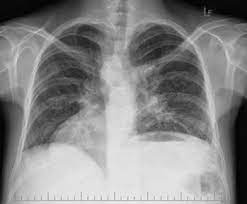
Primárna ciliárna dyskinéza (PCD) je zvyčajne autozomálne recesívny genetický stav, pri ktorom majú mikroskopické organely (riasinky) v dýchacom systéme defektnú funkciu. Dysfunkcia riasiniek bráni odstráneniu sekrétu z pľúc, vedľajších nosových dutín a stredného ucha. Baktérie a iné dráždivé látky v sliznici vedú k častým infekciám dýchacích ciest. Kartagenerov syndróm je typ PCD spojený so zrkadlovou orientáciou srdca a iných vnútorných orgánov (situs inversus). Boli pozorované zriedkavé prípady X-viazanej a autozomálne dominantnej dedičnosti. Primárna ciliárna dyskinéza sa vyskytuje približne u 1 z 16 000 až 20 000 pôrodov. To znamená, že výskyt Kartagenerovho syndrómu je 1 z 32 000 až 40 000 pôrodov.
Príznaky a symptómy
Rozsah symptómov primárnej ciliárnej dyskinézy sa u postihnutých osôb líši. Príznaky často začínajú krátko po narodení a môžu zahŕňať kašeľ, zvracanie, dusenie a atelektázu pľúc (neonatálna respiračná tieseň). Postihnutí jedinci majú často chronické infekcie dutín, stredného ucha a pľúc, ako aj chronický kašeľ, nadbytok hlienu a stratu sluchu. Opakujúce sa respiračné infekcie môžu viesť k ireverzibilnému zjazveniu a dilatácii priedušiek (bronchiektázii) a vážnemu poškodeniu pľúc.
Cílie sú tiež prítomné v komorách mozgu a v reprodukčnom systéme, takže ciliárna dysfunkcia môže ovplyvniť aj iné telesné systémy. Postihnutí muži sú zvyčajne neplodní, pretože pohyb spermií (pohyblivosť) je abnormálny. PCD môže byť tiež spojený s neplodnosťou a mimomaternicovým tehotenstvom u žien.
Pohyb riasiniek môže byť tiež dôležitý pri umiestnení orgánu do vyvíjajúceho sa embrya. Približne 50% osôb s PCD má Kartagenerov syndróm, pri ktorom sú vnútorné orgány vrátane srdca, pečene, sleziny a čreva na opačnej strane tela (situs inversus totalis). Niektorí jedinci s PCD majú stav nazývaný heterotaxia (situs ambiguus), pri ktorom sú vnútorné orgány abnormálne umiestnené a majú abnormálnu štruktúru. Približne 12% pacientov s PCD má heterotaxiu a podskupina týchto pacientov má vrodené srdcové chyby, ktoré môžu byť závažné a život ohrozujúce.
Diagnostika
Primárna ciliárna dyskinéza je definitívne diagnostikovaná vyšetrením pľúcneho alebo sínusového tkaniva získaného z biopsie alebo genetickým testovaním. Špecifické štrukturálne defekty, ktoré sú prítomné v týchto tkanivách, je možné detegovať pomocou elektrónového mikroskopu. Včasná diagnostika je dôležitá pre zabezpečenie profylaktickej liečby na prevenciu alebo zníženie poškodenia dýchacieho systému opakovanými infekciami. Skríning hladín nosového oxidu dusnatého (u pacientov starších ako 5 rokov, ktorí môžu spolupracovať s manévrami na uzatvorenie podnebia), je užitočný pri identifikácii jedincov, ktorí môžu mať PCD a mali by pokračovať biopsiou. V súčasnej dobe je známe, že mutácie v 44 génoch sú spojené s PCD. Tieto nezohľadňujú všetky prípady PCD, a preto je ešte potrebné identifikovať viac génov PCD. Klinické genetické testovanie PCD je k dispozícii pre niektoré zo 44 génov spojených s PCD v komerčných laboratóriách a nové gény sa do ich panelov pravidelne pridávajú.
Primárna ciliárna dyskinéza obvykle nasleduje po autozomálne recesívnej genetickej dedičnosti. Recesívne genetické poruchy sa vyskytujú vtedy, ak jedinec zdedí rovnaký abnormálny gén pre rovnakú vlastnosť od každého rodiča. Ak jednotlivec dostane jeden normálny gén a jeden gén na ochorenie, bude osobou nosičom ochorenia, ale spravidla nebude vykazovať príznaky. Riziko, že dvaja rodičia - nositelia prechádzajú defektným génom, a teda majú postihnuté dieťa, je 25% pri každom tehotenstve. Riziko mať dieťa, ktoré je nosičom ako rodičia, je pri každom tehotenstve 50%. Šanca, že dieťa dostane pre daný znak normálne gény od oboch rodičov a bude pre tento konkrétny znak geneticky normálny, je 25%. Riziko je rovnaké pre mužov a ženy.
Všetci jednotlivci majú viacero abnormálnych génov pre rôzne vlastnosti. Rodičia, ktorí sú blízkymi príbuznými (pokrvnými príbuznými), majú väčšiu šancu ako nepríbuzní rodičia mať ten istý abnormálny gén, čo zvyšuje riziko mať deti s recesívnou genetickou poruchou.
Terapia
Liečba je symptomatická. Odporúča sa liečba kyslíkom či inhalátorom. Na liečbu PCD sa používajú aj antibiotiká, bronchodilatátory, steroidy a mukolytiká. Rutinná kontrola sluchu je dôležité pre malé deti. Načúvacie prístroje môžu byť vhodné pre deti s poruchou sluchu a logopédi nápomocní pri problémoch s rečou. Transplantácia pľúc je možnosťou pre závažné ochorenie pľúc. Ak sú prítomné srdcové chyby, môže byť indikovaná operácia.
- heterotaxia (abnormálne umiestnené vnútorné orgány s abnormálnou štruktúrou)
- vrodené srdcové chyby (u 50%)
- 50% je diagnostikovaný Kartagenerov syndróm (vnútorné orgány na opačnej strane tela)
- možnosť cystickej fibrózy
- pravdepodobné infekcie uší, dutín, priedušiek a pľúc
- zriedkavo granulomatóza s polyangiitídou (porucha charakterizovaná zápalom ciev - vaskulitída, ktorá má za následok poškodenie rôznych orgánových systémov tela, najčastejšie dýchacích ciest a obličiek
- gastroezofageálny reflux (GERD) - porucha trávenia charakterizovaná prechodom alebo spätným prúdením (refluxom) obsahu žalúdka alebo tenkého čreva (dvanástnika) do pažeráka
Pre spojenie sa s ďalšími ľuďmi s rovnakou diagnózou vo vašom okolí sa prihláste.
Prihlásenie