
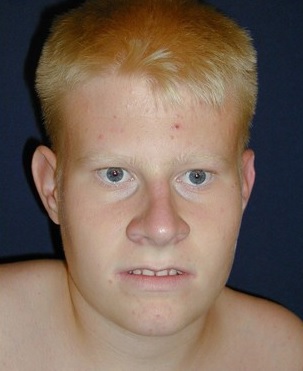
Všeobecné
Prader-Willi syndróm (skratka PWS, anglicky Prader-Williho syndrome alebo Prader-Labhart-Willi syndrome, Willi-Prader syndrome, Prader-Willi-Fanconi syndrome) je vzácna genetická porucha, pri ktorej je porušená štruktúra génov na 15 chromozóme. Prvýkrát ho popísali v roku 1956 Andrea Prader a Heinrich Willi. PWS postihuje približne 1 z 10000 až 1 z 25 000 novorodencov. Na celom svete žije asi 400 000 ľudí s týmto ochorením.
Diagnostika:
Včasná diagnóza a včasná liečba zlepšujú prognózu. PWS je diagnostikovaný pomocou genetického testovania, ktoré je odporúčané u detí s výrazne zníženým svalovým tonusom. Základom diagnózy je teda genetický test založený na tzv. Metylácii, ktorý odhalí defektnú resp. chýbajúcu sekvenciu génov na chromozóme 15.
Liečba:
Ide o genetické ochorenie, je teda neliečiteľné, liečba je symptomatická (mierni príznaky). Počas detstva pacienti absolvujú cvičenie, ktoré im pomôže zlepšiť svalový tonus. Ďalej sa vykonávajú logopedické cvičenia. Najväčším problémom však zostáva ťažká obezita, ktorá je spojená s chronickým pocitom hladu. Na nízky telesný vzrast sa používajú denne injekcie rekombinantného rastového hormónu, ktorý podporuje rast a zvýšenie svalovej hmoty a môže znížiť príjem potravín a pocit neustáleho hladu.
- nízke svalové napätie
- malý vzrast
- zlá koordinácia pohybov
- oči mandľového tvaru, úzka horná pera, vysoké čelo
- slabý plač
- spánková dysbalancia
- mentálna retardácia
- chronický pocit hladu a s tým súvisiaca obezita
- apatia, ťažkosti s dýchaním v dôsledku nízkeho svalového tonusu
- oneskorenie reči
- oneskorená puberta
Ľudia s touto diagnózou
Pre spojenie sa s ďalšími ľuďmi s rovnakou diagnózou vo vašom okolí sa prihláste.
Prihlásenie