
Všeobecné
Potterov syndróm je zriedkavý stav charakterizovaný fyzikálnymi vlastnosťami plodu, ktoré sa vyvíjajú, keď je v tehotenstve príliš málo plodovej vody v maternici (in utero). Nedostatočné množstvo plodovej vody počas tehotenstva sa nazýva oligohydramnión; absencia plodovej vody sa nazýva anhydramnios. Plodová voda podporuje, tlmí a chráni vyvíjajúci sa plod. Ak je plodová voda príliš nízka, normálny tlak vyvíjaný na plod počas tehotenstva môže spôsobiť určité fyzické znaky, ako napríklad výrazné črty tváre alebo abnormality kostry. Ak je oligoanhydramnión prítomný od začiatku tehotenstva, sú tiež nedostatočne vyvinuté pľúca (pľúcna hypoplázia), čo môže viesť k vážnym ťažkostiam s dýchaním. Najčastejšie je tento stav spôsobený absenciou oboch obličiek (bilaterálna renálna agenéza). Toto sa niekedy označuje ako klasický Potterov syndróm. Potterov syndróm môže byť tiež dôsledkom iných stavov, ako je polycystické ochorenie obličiek, znetvorené (dysplastické) alebo nedostatočne vyvinuté (hypoplastické) obličky a obštrukčná uropatia, pri ktorých z močového mechúra nemožno vylučovať moč a hromadiť sa v obličkách. Niekedy, neskôr počas tehotenstva, môže dôjsť k úniku plodovej vody; to nepovedie k Potterovmu syndrómu. Potterov syndróm je mimoriadne závažný stav a často končí smrťou pri narodení alebo krátko po ňom, hlavne kvôli hypoplázii pľúc.
Niektorí lekári sa domnievajú, že Potterova sekvencia je vhodnejším menom ako Potterov syndróm, pretože zatiaľ čo príznaky a príznaky sa môžu u postihnutých novorodencov líšiť, postupnosť udalostí vedúcich k rozvoju tohto stavu je rovnaká. Niektorí lekári používajú Potterovu sekvenciu na označenie menej závažnej formy Potterovho syndrómu, ale v lekárskej literatúre sa všeobecne používajú tri pojmy - Potterov syndróm, Potterova sekvencia a oligohydramniónová sekvencia. Prvýkrát bol tento stav popísaný v lekárskej literatúre v roku 1946 Edith Potterovou, patologičkou pôsobiacou v Chicagu v štáte Illinois.
Diagnostika:
Príznaky a symptómy Potterovho syndrómu sa môžu u jednotlivých novorodencov líšiť. Tento stav je však spojený s vážnymi komplikáciami ovplyvňujúcimi vyvíjajúci sa plod a býva často smrteľný pri narodení alebo krátko po ňom. Ak je Potterov syndróm spôsobený bilaterálnou agenézou obličiek, nie je kompatibilný so životom. Potterov syndróm z iných príčin je tiež často smrteľný pri narodení alebo krátko po ňom, existuje však zvýšená šanca na prežitie. Dojčatá, ktoré prežijú novorodenecké obdobie, majú spravidla chronické pľúcne choroby a chronické zlyhanie obličiek.
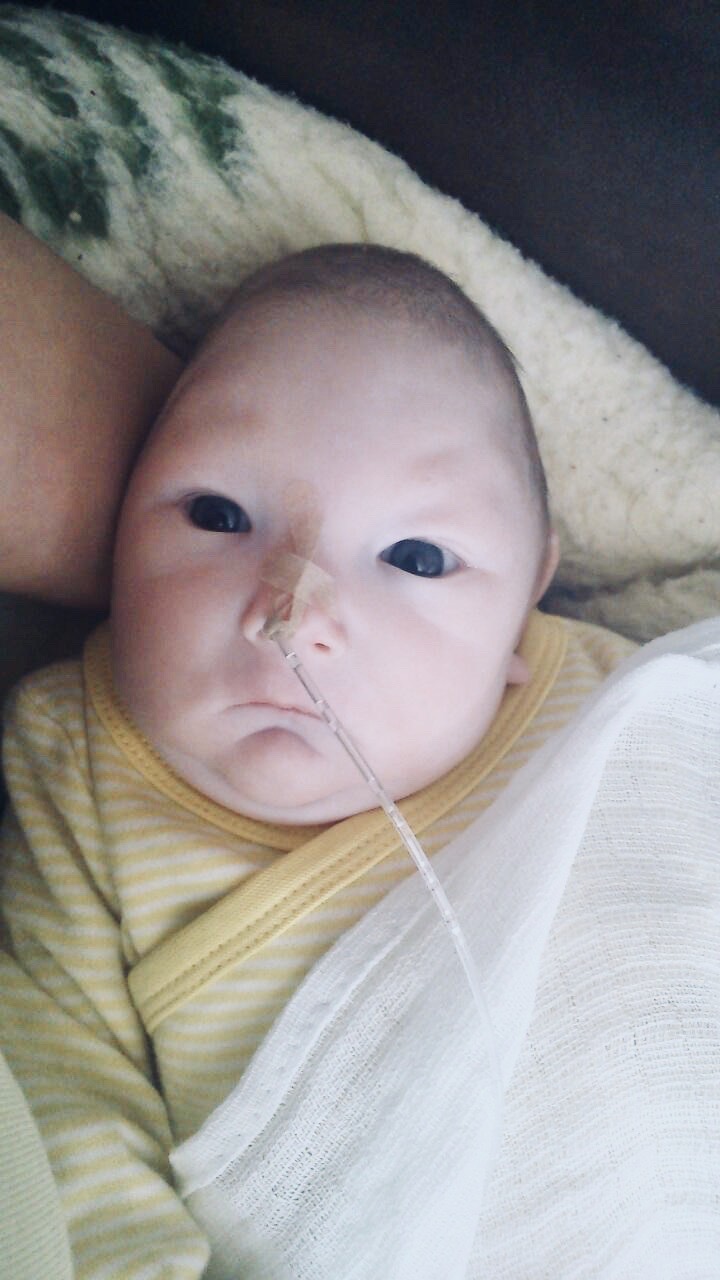
Z dôvodu nedostatku plodovej vody na ochranu vyvíjajúceho sa plodu môže normálny tlak zo stien maternice ovplyvniť rast a vývoj plodu. Takýto tlak môže spôsobiť výrazné črty tváre vrátane zapustenej brady; sploštený depresívny mostík nosa; oči, ktoré sú od seba vzdialené viac ako zvyčajne (hypertelorizmus); nízko nasadené uši, ktorým chýba chrupavka (Potterove uši); abnormálne výrazné kožné záhyby vo vnútorných kútikoch očí (výrazné záhyby epikantálu); a záhyb pod spodnými perami. Táto zbierka tvárových prvkov sa niekedy označuje ako „Potterova fácia“.
Z dôvodu abnormalít obličiek je zvyčajne nedostatok moču a tvorba moču. Absencia (agenéza) oboch obličiek je najčastejšou chybou spojenou s Potterovým syndrómom. Obličky môžu byť tiež deformované (dysplastické) alebo poškodené z dôvodu väčšieho syndrómu ovplyvňujúceho obličky, ako je polycystické ochorenie obličiek, skupina zriedkavých porúch charakterizovaných vývojom početných cýst v obličkách.
Pľúca môžu byť nedostatočne vyvinuté (hypoplastické) a väčšina novorodencov má po narodení ťažké dýchacie komplikácie (dýchacie ťažkosti).
Niekedy sa vyskytujú abnormality vo vývoji rúk a nôh, nedostatočná tvorba polovice chrbtice (hemivertebrae), absencia dolnej časti chrbtice (sakrálna agenéza), vrodené chyby srdca alebo abnormality očí, ako je katarakta. , alebo posunutie alebo posunutie (prolaps) šošoviek očí.
Dojčatá s Potterovym syndrómom sa často narodia predčasne a sú malé na svoj gestačný vek, čo znamená, že sú menšie, ako by sa normálne dalo predpokladať na dĺžku tehotenstva.
Potterov syndróm je zriedkavá porucha a presný výskyt alebo prevalencia nie sú známe. Hlavná príčina tohto stavu, bilaterálna renálna agenéza, sa vyskytuje u približne 1 z 5 000 plodov a predstavuje asi 20% prípadov Potterovho syndrómu. Výskyt alebo prevalencia iných príčin nie sú známe. Celkovo sa odhady výskytu alebo prevalencie Potterovho syndrómu pohybujú od 1 zo 4 000 do 10 000 pôrodov. Niekoľko štúdií preukázalo, že novorodenci mužského pohlavia sú postihnutí častejšie ako novorodenkyne, pravdepodobne v dôsledku obštrukčnej uropatie, ktorá sa u mužov vyskytuje častejšie.
Liečba:
Liečba Potterovho syndrómu neexistuje kvôli bilaterálnej absencii obličiek, ktorá nie je kompatibilná so životom. Malo by sa vyvinúť úsilie na zabezpečenie toho, aby celá rodina dostala podporu pri zvládaní bolesti a poradenstvo v prípade zármutku. Odporúča sa genetické poradenstvo. Nevyhnutná je aj psychosociálna podpora pre celú rodinu.
Novorodenci s Potterovým syndrómom z iných príčin budú zvyčajne potrebovať mechanickú ventiláciu. Môže byť tiež nevyhnutná resuscitácia. O resuscitácii sa rozhoduje v úzkej spolupráci s rodičmi, lekármi a celým lekárskym tímom.
U niektorých novorodencov, ktorí majú čiastočne funkčné obličky a dostatočnú funkciu pľúc, môže byť potrebná dialýza, čo je pre novorodencov intenzívna a nepríjemná liečba.
- chronické pľúcne choroby
- chronické zlyhanie obličiek
- „Potterova fácia“ - výrazné črty tváre vrátane zapustenej brady; sploštený depresívny mostík nosa; oči, ktoré sú od seba vzdialené viac ako zvyčajne (hypertelorizmus); nízko nasadené uši, ktorým chýba chrupavka (Potterove uši); abnormálne výrazné kožné záhyby vo vnútorných kútikoch očí (výrazné záhyby epikantálu); a záhyb pod spodnými perami
Pre spojenie sa s ďalšími ľuďmi s rovnakou diagnózou vo vašom okolí sa prihláste.
Prihlásenie