Pterygium Popliteal syndróm
Find a cause you want to help. Every contribution counts.

Všeobecné
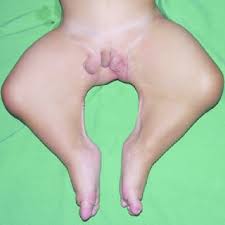
Pterygium popliteal syndróm (angl. Popliteal pterygium syndrome, facio - genito - popliteal syndrome, PPS) je raritný genetický syndróm, ktorý postihuje vývoj tváre a orofaciálnej oblasti, kože a genitálii. Znaky syndrómu sú značne variabilné. Po narodení sa zisťuje prítomnosť ráštepu podnebie, či ráštepu pery. Typická je aj jamka v strede brady, čo je kvôli prítomnosti slinnej žľazy v jamke. Taktiež býva prítomný útvar podobný kopčeku z podkožného tkaniva vyskytujúci sa na spodnej pere. U niektorých jedincov sa objavuje chýbanie niektorých zubov. Deti s pterygium popliteal syndróm majú prítomné pruhovité kožné tkanivo v kolennej jame, čo môže zabraňovať pohybu ak to nie je chirurgicky odstraňované. Bývajú prítomné spojené prsty vplyvom prítomnosti pruhov, alebo prsty môžu byť zrastené. Problémom sú aj atypicky vyvinuté vonkajšie genitálie, ktoré bývajú hypoplastické (nedovyvinuté), chlapci môžu mať nezostúpené semenníky, miešok rozdelený na dve časti.
Kvôli rázštepu pery a podnebia nastáva oneskorený vývoj reči, poruchy učenia a ľahká kognitívna porucha. Intelekt sa nelíši od ostatnej populácie.
Frekvencia vzniku pterygium popliteal syndrómu je zhruba 1:300 000. Tento syndróm je spôsobený mutáciou IRF6 génu kódujúci gén, ktorý hrá dôležitú úlohu vo včasnom vývine dieťaťa, konkrétne za vývoj tváre, kože, genitálií.
Mutácia je dedičná autozomálne dominantnou cestou. Stačí zdediť len jeden pár mutovaného génu, aby sa prejavil syndróm.
Diagnostika:
Diagnostika sa robí pomocou genetického vyšetrenia na základe predpokladu a prítomnosti daných príznakov.
Liečba:
Liečba je komplexná a nutná je chirurgická liečba kolennej jamy a odstránenie pruhov, ktoré zamedzujú pohybu v kolene. Ďalej je nutná niekoľkosériová operácia v prípade prítomnosti rázštepu podnebie či pery a koordinácia ďalších špecialistov (logopédov, chirurgov, ORL, stomatológov, plastikov atď. ), eventuálne prítomnosť včasnej intervencie. Nutné je včasne chirurgicky riešiť, ak sú prítomné nezostúpené semenníky zamedzeniu neplodnosti u mužov.
- rázštep podnebia, hornej pery
- anomálie genitálu - hypoplázia vonkajších orgánov (malé a veľké pysky), nezostúpené semenníky, rozdelenie mieška
- typické sú pruhy v koži kolennej jamy, ktoré zamedzujú pohybu kolena
- typické znaky na tvári - jamka v centre brady, útvar v tvare kopčeka podkožného tkaniva na spodnej pere
- zrastené prsty (syndaktýlia), ale prítomnosť pruhových útvarov na prstov vplyvom ktorých sú prsty spojené
Pre spojenie sa s ďalšími ľuďmi s rovnakou diagnózou vo vašom okolí sa prihláste.
Prihlásenie