
Všeobecné
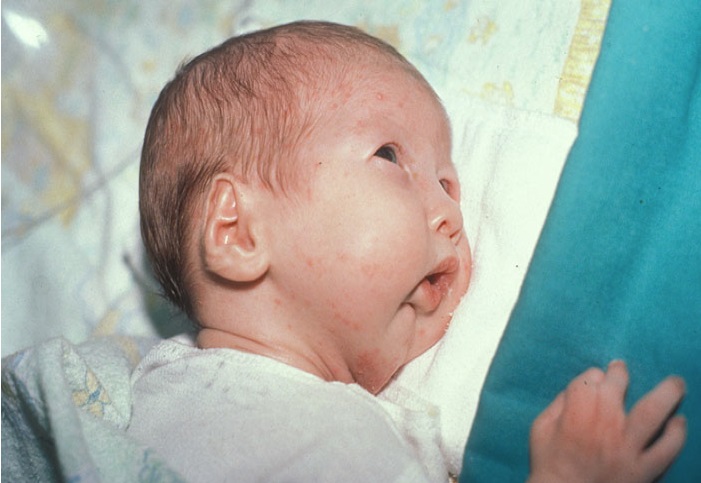
Pierre-Robinov syndróm (skrátene PRS, a tiež známy ako Pierre-Robinsova chyba / sekvencie / anomálie, anglicky Pierre-Robin syndrome, first arch, bird face) je vrodené (genetické) ochorenie, u ktorého je prítomný defekt poschodia, mikrognácie ( malá čeľusť) a glossoptosa (obštrukcia dýchacích ciest spôsobená posunutím koreňa jazyka).
Diagnostika:
Genetická príčina PRS bola zistená len nedávno. Pierre Robin sekvencia je spôsobená genetickými anomáliami na chromozómoch 2, 11, alebo 17. Liečba je väčšinou chirurgická a zameriava sa na odstránenie problémov s dýchaním a kŕmením, aby mohlo dôjsť k optimalizácii rastu dieťaťa. Prognóza: vcelku dobrá. Akonáhle sú počiatočné dýchacie ťažkosti a problémy pri kŕmení prekonané v detstve, väčšina pacientov vedie zdravý a normálny život.
Deti postihnuté PRS zvyčajne dosiahnu plného rozvoja a výšky, bolo však zistené, že na medzinárodnej úrovni je dieťa často mierne podpriemerne vysoké, čo je spôsobené pravdepodobne neúplným vývojom v dôsledku nedostatočného zásobenia organizmu kyslíkom spôsobeného obštrukciou horných dýchacích ciest, a ďalej tiež nedostatočnou výživou.
Deti so zapadajúcim jazykom, a teda s ťažkosťami s dýchaním, polohujeme na bruško, pri väčších ťažkostiach je nutná intubácia (zavedenie kanyly do priedušnice) alebo realizácia tracheostómie (vývod z priedušnice na kožu za účelom obchádzky prekážky). Pre poruchu príjmu potravy sa zavádza dočasne nasogastrická sonda, kým nie je dieťa schopné samostatne jesť. V prípade prítomnosti tekutiny v strednom ušku a teda pri zhoršenom sluchu sa realizuje evakuácia tekutiny, prípadne sú zavádzané ventilačné trubičky - gromety.Porucha sluchu vymizne po plastike mäkkého podnebia. Tá sa realizuje okolo 8. mesiaca života.
Liečba:
Deti s PRS majú veľké problémy s papaním pred a častokrát aj po operácii pre slabý sací reflex - kvôli rázštepu nie sú schopní vytvoriť podtlak v ústach. Časté je zvracanie cez nos, odmietanie jedla, plač počas kŕmenia. Terapiu vedie logopéd, je nutné posilniť svaly mäkkého podnebia rôznymi cvikmi (fúkanie balóna, pitie zo slamky, kloktanie vody...).
- mikrognácia (malá čeľusť)
- glossoptosa (obštrukcia dýchacích ciest spôsobená posunutím koreňa jazyka) a z toho vyplývajúce
- dýchacie ťažkosti najmä pri polohe na chrbte
- defekt podnebia do tvaru U
- rázštep podnebia
- porucha s príjmom potravy - pre zapadnutý jazyk, ktorý bráni prehltnutiu a kvôli rázštepu
- gastroesofageálny reflux (pálenie záhy)
- PRS sa môže objaviť izolovane, ale často je súčasťou iného ochorenia
- časté infekcie dolných dýchacích ciest, pneumónie
- porucha sluchu pre rázštep a zápaly stredného ucha
Pre spojenie sa s ďalšími ľuďmi s rovnakou diagnózou vo vašom okolí sa prihláste.
Prihlásenie