
Všeobecné
Phelan - McDermid syndróm (synonymum Syndróm delécie 22q13 chromozómu, ang. Phelan- McDermid syndrome, Deletion 22q13 syndrome) je vzácne genetické ochorenie, ktoré vzniká poškodením segmentu na dlhom ramienku 22. chromozómu (deléciou, monozómiou). Symptómy majú veľkú škálu závažnosti, avšak medzi najcharakteristickejšie znaky patrí znížený tonus (napätie) svalov, normálne alebo akcelerovaný rast, absencia alebo oneskorenie reči, stredne ťažká až ťažká mentálna retardácia, charakteristické črty tváre. V niektorých percentách býva aj oneskorený psychomotorický vývoj. Súčasný výskum ukazuje, že genetická delécia je zodpovedná za vznik chybného proteínu, ktorý je zodpovedný za väčšinu neurologických príznakov psychomotorický vývoj a absencia reči).
Diagnostika:
Delécia vzniká spontánne (de novo) odtrhnutím segmentu dlhého ramienka chromozómu 22 na základe neznámej príčiny (sporadicky). Rodičia dieťaťa sú zdraví s normálnym genetickým kódom, mutácia vzniká náhodne v jednej z pohlavných buniek jedného z rodičov (vajíčko alebo spermia).
Výskyt Phelan - McDermid syndrómu sa odhaduje ťažko kvôli svojej rarite, avšak pohybuje sa medzi 2,5-10 na 1 milión živo narodených detí. Diagnostika sa robí metódami molekulárnej biológie. Ultrasonografia počas tehotenstva vykazuje známky zdravého dieťaťa. Niektoré obličkové abnormality môžu byť vidieť už prenatálne počas tehotenstva, avšak to nemusí poukazovať na prítomnosť tohto syndrómu. Počas tehotenstva je možné realizovať amniocentézu a odber choriových klkov.
Liečba:
Terapia je šitá na mieru každému jedincovi s Phelan-McDermid syndrómom, vyžaduje koordináciu širokého spektra špecialistov, ktorá zahŕňa pediatra, nefrológa, neurológa, gastroenterológa, imunológa, ortopéda, sociálneho a špeciálneho pedagóga, logopéda. Srdcové abnormality nie sú typické pre tento syndróm, avšak aj tak je potrebné realizovať echokardiografiu kardiológom. Operačné riešenia sú individuálne pre každého jedinca podľa závažnosti. Ostatná liečba je podporná a symptomatická.
- Phelan - McDermid syndróm je charakterizovaný stredne ťažkou až ťažkou mentálnou retardáciou. Vývoj reči sa zvykne oneskorovať, niektoré deti sú non - verbálne. Porozumenie je v popredí pred vyjadrovaním. Častý je aj oneskorený psychomotorický vývoj.
- Rast prenatálne zvykne byť normálny, po narodení býva rast normálny alebo nadpriemerný. Medzi prvé príznaky býva novorodenecká hypotónia (znížené napätie svalov), ktoré koreluje s poruchami príjmu potravy, zhoršeným kŕmením, slabým plačom, neschopnosťou udržať hlavičku. Vrámci oneskorenia psychomotorického vývoja sa začnú batoľatá neskôr otáčať, plaziť sa a chodiť, čo je však v spojitosti s hypotóniou.
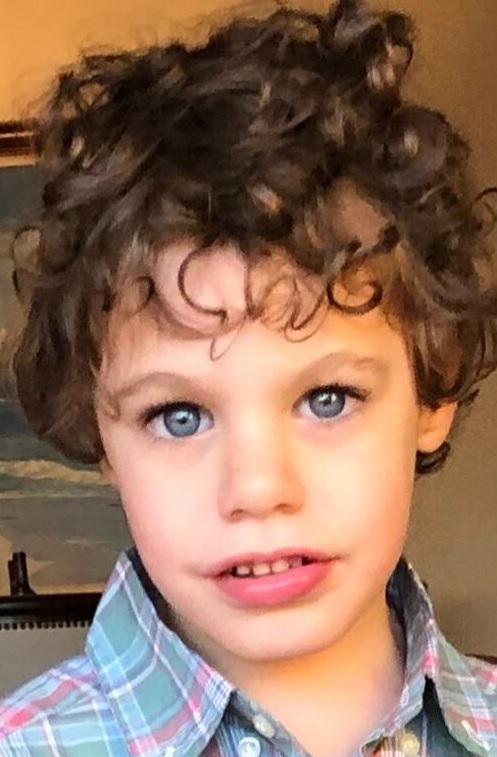
- Medzi tvárové črty Phelan - McDermid syndrómu patrí podlhovastý tvar hlavy (dolichocefália), veľké prominujúce uši, plné obočie, hlboké oči, dlhé riasy, ptóza viečka (padavé viečka), plné až tučné viečka, plochý stred tváre, plné až tučné líčka, široká nosová prepážka, väčší nos, špicatá brada. Medzi ďalšie črty tela patrí relatívne veľké ruky a nevyvinuté nechty na palcoch. Správanie sa označuje ako "autistic - like" s hypersenzitivitou na dotyk, fóbia v rôznych sociálnych situáciach, vyhýbanie sa očnému kontaktu, prítomnosť tykov. Medzi ďalšie vlastnosti patrí zvýšený prach bolesti, zlozvyk žuvania rôznych predmetov.
- 25% jedincov s Phelan McDermid syndrómom majú abnormality obličiek, ako polycystické obličky, dysplázia jednej obličky (jedna oblička je nefunkčná, obličkové kamene, vesikouretrálny reflux (moč sa vracia naspäť do obličky, ktorá sa potom môže zväčšovať. Preto všetkým deťom s Phela Mcdermid sy. sa odporúča realizovanie ultrasonografie obličiek.
- Viac ako 15% pacientov má arachnoidálne cysty (dutinky vyplnené vodou v časti mozgu), v porovnaní s 1% populácie. Malé cysty bývajú bez príznakov (asymptomaticé), väčšie cysty môžu spôsobovať zvýšený vnútrolebečný tlak - čo sa prejavuje nespokojnosťou, dráždivosťou, záchvatmi plaču, silné bolesti hlavy, opakovaným vracaním, kŕčmi. Tento stav a prítomnosť cýst sa dá diagnostikovať CT hlavy, MRI mozgu.
- Niektorí jedinci sa sťažujú na vznik opuchov končatín, najmä dolných končatín a celulitídou, ktorá môže vzniknúť v období dospievanie alebo v skorom dospelom období.
Pre spojenie sa s ďalšími ľuďmi s rovnakou diagnózou vo vašom okolí sa prihláste.
Prihlásenie