
Všeobecné
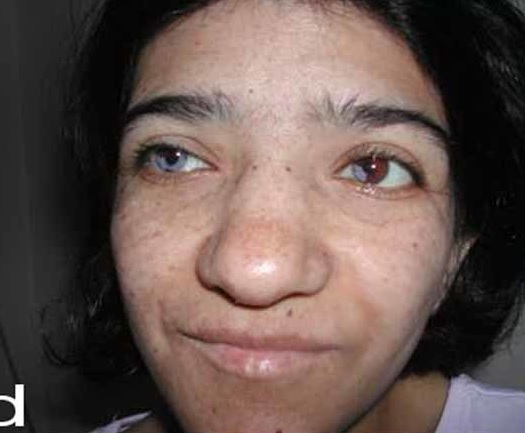
Delécia chromozómu 13q je abnormalita chromozómu, ktorá sa vyskytuje, keď na dlhom ramene (q) chromozómu 13 chýba kópia genetického materiálu. Závažnosť stavu a príznaky závisia od veľkosti a umiestnenia delécie a o ktoré gény ide. Medzi funkcie, ktoré sa často vyskytujú u ľudí s deléciou chromozómu 13q, patrí oneskorenie vývoja, mentálne postihnutie, problémy so správaním a výrazné črty tváre.
Diagnostika:
Testovanie chromozómov oboch rodičov môže poskytnúť viac informácií o tom, či bola alebo nebola delécia zdedená. Vo väčšine prípadov rodičia nemajú žiadnu chromozomálnu anomáliu. Niekedy sa však zistí, že jeden z rodičov má vyváženú translokáciu, keď sa časť chromozómu odlomila a pripojila k inému bez toho, aby došlo k zisku alebo strate genetického materiálu. Vyvážená translokácia zvyčajne nespôsobuje žiadne príznaky alebo príznaky, ale zvyšuje riziko vzniku postihnutého dieťaťa s chromozomálnou anomáliou, ako je napríklad delécia.
Liečba:
Liečba je symptomatická - založená na známkach a príznakoch prítomných u každej osoby.
- oneskorenie vývoja
- mentálne postihnutie (rôzne formy)
- problémy so správaním
- výrazné črty tváre
Ľudia s touto diagnózou
Pre spojenie sa s ďalšími ľuďmi s rovnakou diagnózou vo vašom okolí sa prihláste.
Prihlásenie