
Všeobecné
Noonanovej syndróm (Noonan-syndróm, Male-Turnerov syndróm) je vrodené genetické ochorenie, ktorého príčinou sú génové mutácie, ktoré majú za následok vznik špecifického súboru príznakov - s vrodenými chybami srdca, malým vzrastom a charakteristickými črtami tváre. Noonanov syndróm je tiež označovaný ako mužský Turnerov syndróm 45 X0. Dedičnosť je autozomálne dominantná. S týmto syndrómom sa narodí približne jedno dieťa na 1000-2500 novonarodených.
Obe pohlavia postihuje rovnako často. Syndróm bol prvýkrát opísaný v roku 1962 detskou kardiologičkou Jacqueline Noonanovou a ako samostatná diagnostická jednotka bol uznaný až v roku 1971.
Diagnostika:
Diagnostika sa stanoví na základe genetických vyšetrení, je možné realizovať už prenatálne. NS je potrebné zvážiť pri plode s polyhydramniom, pleurálnymi výpotkami, edémami a presiaknutím odkožia v oblasti šije pri normálnom karyotype.
Liečba:
V rámci terapeutického prístupu je dôležité zamerať sa na nutričnú podporu vo včasnom detstve, stanoviť funkciu kardiovaskulárneho systému a prípadné ďalšie chirurgické riešenie vrodených chýb srdca, ohodnotiť rast a motorický vývoj dieťaťa. Pri ťažkostiach je vhodné doplniť fyzioterapeutické a logopedické vedenie. V prvých rokoch školskej dochádzky by malo byť realizované kompletné oftalmologické vyšetrenie ako aj ohodnotenie sluchu. Pre sklon k hemorágiám je nutné pred operačným zákrokom vyšetrenie koagulačných parametrov. Pri poskytnutí špeciálnej starostlivosti a poradenstva rodinným príslušníkom väčšina detí s NS sa v dospelosti zaradí do normálneho života. Typické symptómy sú postupom času menšieho charakteru a väčšina pacientov s NS nevyžaduje špeciálnu medicínsku starostlivosť v dospelosti.
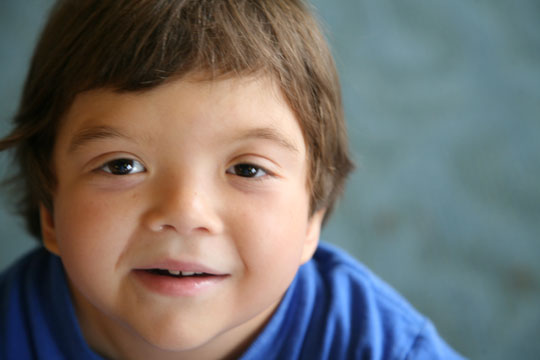
- faciálny dysmorfizmus - hypertelorizmus (95% pacientov, ďaleko oči od seba), antimongoloidné postavenie očných štrbín, ptóza viečok (padnuté viečka), nízko nasadajúce dozadu rohovaté ušnice so zhrubnutým helixom (okraj ušnice, ktorý sa stáča do závitu)
- typický výskyt vrodených srdcových malformácií až u 2/3 pacientov
- stenóza - zúženie chlopní (najmä pulmonálna chlopňa)
- septálne - predelové defekty (defekt septa predsiení, resp. defekt septa komôr)
- srdcový funkčný šelest
- gastrointestinálne príznaky (zvracanie, znížená chuť do jedla, porucha prehĺtania)
- úbytok hmotnosti až rozvoj kachexie
- kryptorchismus u chlapcov - nezostúpené semenníky
- častý lymfedém
- poruchy koordinácie, nemotornosť
- znížený intelekt
- porucha pamäti
- oneskorený vývoj reči
- nízky vzrast
- krátky krk
- nízka hranica vlasov na krku
- skolióza
- pectus carinatum - vtáčí hrudník resp. pectus excavatum - vpáčený hrudník
- makrocefália - veľká hlava
- niekedy tiež myalgia - bolesť svalov
- trombocytopénia - nedostatok krvných doštičiek
- často pridružená Von Willebrandova choroba
- zvýšené riziko krvácania
Pre spojenie sa s ďalšími ľuďmi s rovnakou diagnózou vo vašom okolí sa prihláste.
Prihlásenie