
Všeobecné
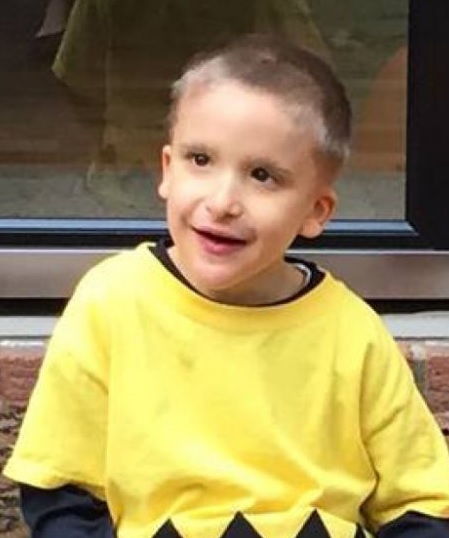
Mowat-Wilsonov syndróm (MWS, Mowat-Wilson syndrome) je zriedkavá genetická porucha, ktorá sa môže prejaviť pri narodení alebo neskôr v detstve. MWS sa vyznačuje mentálnym postihnutím, výraznými črtami tváre a záchvatmi. U niektorých jedincov sa vyskytujú ďalšie vrodené anomálie a môžu zahŕňať gastrointestinálne ochorenie známe ako Hirschsprungova choroba (40-50% jedincov), pri ktorom je prítomné zúženie časti hrubého čreva, očné (oftalmologické) chyby, srdcové (srdcové) chyby, abnormality obličiek (obličiek), abnormality mužských pohlavných orgánov a nízky rast. Niektorí postihnutí jedinci môžu byť rozpoznaní až v detstve alebo v dospelosti, najmä ak nie je prítomná Hirschsprungova choroba. MWS je spôsobená abnormalitou v géne ZEB2, ktorá je zvyčajne výsledkom novej genetickej zmeny (mutácie) u postihnutej osoby.
Diagnostika:
MWS je autozomálne dominantná genetická porucha spôsobená abnormalitou (mutáciou) v géne nazývanom ZEB2. Táto mutácia vedie buď k strate funkcie (väčšinou), alebo k zníženej funkcii (zriedkavo) tohto génu. Gén ZEB2 (predtým nazývaný ZFHX1BorSIP1) sa nachádza na chromozóme 2 v oblasti 2q22.3. Gény poskytujú pokyny na výrobu proteínu, ktorý hrá rozhodujúcu úlohu pri tvorbe mnohých orgánov a tkanív tela pred narodením. Keď dôjde k mutácii v jednej kópii tohto génu, vytvorený proteín môže byť chybný, neúčinný alebo môže chýbať. To ovplyvňuje vývoj mnohých orgánov a tkanív v celom tele, najmä mozgu. MWS sa takmer vždy vyskytuje ako nová (sporadická alebo de novo) mutácia. To znamená, že takmer vo všetkých prípadoch k génovej mutácii došlo v čase tvorby vajíčka alebo spermie iba pre toto dieťa a žiadny iný člen rodiny nebude ovplyvnený. Obvykle nie je zdedený alebo „nosený“ od zdravého rodiča.
Vo veľmi malom počte rodín bolo s MWS postihnutých viac ako jedno dieťa. Z viac ako 300 jedincov opísaných v literatúre bola recidíva MWS hlásená iba v 5 rodinách. Pravdepodobnosť recidívy pre rodičov, ktorí majú dieťa s MWS, je teda približne 2% alebo menej. To sa môže stať, ak jeden rodič má podiel buniek vo vaječníkoch alebo semenníkoch, ktoré majú mutáciu, ktorá spôsobuje MWS. Toto sa nazýva zárodočný mozaicizmus.
Dominantné genetické poruchy sa vyskytujú vtedy, keď je na objavenie sa choroby potrebná iba jedna kópia abnormálneho génu. Vzhľadom na závažnosť stavu je nepravdepodobné, že by postihnuté osoby mali vlastné deti, a neboli hlásené žiadne jedince s reprodukciou MWS. Ak by sa postihnutá osoba reprodukovala, bola by 50% pravdepodobnosť, že pri každom tehotenstve bude mať postihnuté dieťa.
MWS postihuje mužov aj ženy. Odhaduje sa, že sa vyskytuje u 1 z 50 000-100 000 pôrodov. MWS bol popísaný v mnohých rôznych krajinách a etnických skupinách po celom svete.
MWS je zvyčajne diagnostikovaná v detstve na základe dôkladného klinického hodnotenia, identifikácie charakteristických fyzických nálezov a vzhľadu tváre a informácií z rôznych špecializovaných testov. Mnoho z týchto funkcií sa postupom času zvýrazňuje, a preto je diagnostika u starších jedincov jednoduchšia.
Kontrola funkcií môže zahŕňať zobrazovacie techniky, ako je skenovanie pomocou počítačovej tomografie (CT) alebo magnetická rezonancia (MRI) mozgu, obličiek alebo srdca.
Klinickú diagnózu je možné potvrdiť molekulárno-genetickým testovaním na mutácie v ZEB2gene. V MWS sa môže vykonať štandardné testovanie chromozómov, aby sa vylúčilo preskupenie chromozómov zahŕňajúce chromozóm 2q22, čo je zriedkavé.
Príznaky:
Deti s MWS dosahujú vývojový pokrok (ako napríklad sedenie, plazenie a chôdza) výrazne pomalšie, ako je priemer. Reč je často oneskorená alebo chýba, až na malé výnimky (pozri mierny Mowat-Wilsonov syndróm). Porozumenie je zvyčajne lepšie ako schopnosť reči a deti môžu komunikovať neverbálnymi spôsobmi, ako je podpis alebo používanie komunikačného zariadenia. Spravidla majú šťastné správanie a často sa usmievajú.
Záchvaty sú časté, vyskytujú sa u približne 90% jedincov do 10 rokov. Záchvaty môžu byť v detstve ťažko ovládateľné, ale v dospelosti nie sú zvyčajne hlavným problémom. Malá podskupina jedincov bude mať elektrický status epilepticus počas spánku (ESES), ktorý môže viesť k strate niektorých vývojových a fyzických schopností, ak bude pokračovať bez liečby.
Aj keď sa u dojčiat s MWS môže vyskytnúť množstvo vrodených abnormalít, je dôležité poznamenať, že postihnuté deti nebudú mať všetky anomálie súvisiace s týmto ochorením. Jednou z bežných vrodených abnormalít je Hirschsprungova choroba, gastrointestinálny stav charakterizovaný absenciou určitých telies nervových buniek (ganglií) v stene hladkého svalstva v oblasti hrubého čreva (hrubého čreva). V dôsledku toho dochádza k absencii alebo narušeniu nedobrovoľných, rytmických kontrakcií, ktoré poháňajú potravu GI traktom (peristaltika). Medzi príznaky Hirschsprungovej choroby patrí zápcha, vracanie, strata chuti do jedla, nadúvanie alebo opuch (distenzia) brucha, abnormálne nahromadenie výkalov v hrubom čreve a rozšírenie hrubého čreva nad postihnutý segment (megakolón). Hirschsprungova choroba môže v konečnom dôsledku spôsobiť hnačku, dehydratáciu a neschopnosť rásť a priberať na hmotnosti očakávaným tempom (neprospievanie). Krátky rast je v MWS bežný, aj keď niektorí ľudia majú normálny vzrast.
Jedným vzácnym nálezom je nedostatok sleziny, orgánu, ktorý pomáha bojovať s určitými druhmi infekcií. Všetci ľudia s MWS by mali byť v čase diagnostiky vyšetrení, aby zistili, či majú slezinu. To sa dá urobiť pomocou ultrazvuku brucha. Krvné testy môžu niekedy tiež naznačovať, že slezina chýba.
Bola identifikovaná podskupina jedincov s MWS, ktorí majú mierne príznaky. Táto skupina nemusí mať žiadne malformácie alebo môžu mať menej tvárových znakov, čo niekedy sťažuje rozpoznanie diagnózy iba na základe fyzických nálezov. Takíto ľudia môžu mať iba mierne mentálne postihnutie. Rečové schopnosti sú pokročilejšie, niektorí sú schopní hovoriť krátkymi vetami už od detstva.
Terapia:
Liečba je symptomatická a terapia by mala smerovať k potrebám každého jednotlivca. Môže byť potrebné, aby tím špecialistov spolupracoval a plánoval najlepšiu stratégiu, ktorá každému umožní dosiahnuť plný potenciál. Rovnako ako každý jednotlivec bude iný, plán liečby bude jedinečný a najlepšie ho prediskutujete so zdravotníckymi odborníkmi zapojenými do plánu starostlivosti.
V MWS si súvisiace stavy vrátane Hirschsprungovej choroby, srdcových abnormalít a záchvatov vyžadujú zásah príslušných špecialistov, ako sú neurológovia, kardiológovia a chirurgovia. Fyzická terapia, pracovná terapia a logopédia môžu byť užitočné pri pomoci deťom s oneskoreným vývojom dosiahnuť plný potenciál.
Liečba Hirschsprungovej choroby obvykle zahŕňa chirurgický zákrok na zmiernenie črevnej obštrukcie. Dočasné otvorenie hrubého čreva sa urobí v brušnej stene (kolostómia) a druhá operácia sa vykoná neskôr, aby sa odstránila nefungujúca časť hrubého čreva a znova sa spojili so zdravými časťami čreva. Na liečbu špecifických vrodených anomálií, ako sú srdcové chyby a abnormality močových ciest, je možné vykonať ďalšie operácie.
V niektorých prípadoch boli záchvaty rezistentné na liečbu v detstve, ale zdá sa, že sú ľahšie zvládnuteľné u dospievajúcich a dospelých. Je zriedkavé, aby jednotlivec s MWS regresoval svoje kognitívne alebo motorické schopnosti. Podskupina jedincov s regresiou však mala elektrický stav epilepticus počas spánku (ESES), ktorý po liečení viedol k zlepšeniu stratených zručností.
U jedincov, ktorí nemajú funkčnú slezinu, je možné zvážiť podanie špecifického očkovania a niekedy aj denné podávanie antibiotík.
Genetické poradenstvo sa odporúča tak ľuďom s MWS, ako aj ich rodinám.
- mentálne postihnutie
- výrazné črty tváre (vysoké čelo, široké obočie, oči naširoko, zdvihnuté ušné lalôčiky, relatívne malý nos u dojčiat s výrazne zaobleným nosom, špicatá brada)
- chýbajúca alebo obmedzená reč
- epileptické záchvaty
- niekedy je prítomné zúženie časti hrubého čreva
- očné (oftalmologické) chyby
- srdcové (srdcové) chyby
- abnormality obličiek (obličiek)
- abnormality mužských pohlavných orgánov
- nízky vzrast (sú dané špecifické tabuľky pre tento syndróm)
- mikocefália (malá veľkosť hlavy)
- môže sa vyskytnúť zápcha
Pre spojenie sa s ďalšími ľuďmi s rovnakou diagnózou vo vašom okolí sa prihláste.
Prihlásenie