
Všeobecné
Leidenská mutácia (anglicky leiden mutation) je vrodená dedičná porucha zrážanlivosti krvi resp. koagulačného systému krvi. Dôsledkom tejto poruchy je zvýšená tendencia k vzniku krvných zrazenín (trombov), možno ju preto označiť za tzv. Trombofilný stav. Vlastným dôsledkom genetickej mutácie je rezistencia faktora V k antikoagulačnej aktivite aktivovaného proteínu C (APC). Leidenská mutácia bola objavená v roku 1993 holandskými a švédskymi vedcami.
Ide o najčastejšiu vrodenú predispozíciu trombofílie v eurázijskej populácii. Nositeľom tejto mutácie je v niektorých oblastiach až 15% populácie. Na mutáciu Leiden faktora sa musí myslieť v prípade opakovane prekonaných trombóz, najmä, ak trombózy vzniknú bez prítomnosti iných rizikových faktorov (bez prítomnosti predošlého úrazu a imobility pacientov, bez prítomnosti iných chorôb), ak sú trombózy u mladých ľudí alebo vzniknú na atypickom mieste (vo veľkých cievach, vo veľkom riečišti), pri opakovaných potratoch u žien, v kombinácii ak ženy užívajú antikoncepciu a za prítomnosti fajčenia - kedy už aj táto kombinácia je riziková. Gynekológovia, ktorí predpisujú hormonálnu antikoncepciu ženám, by mali predtým vyšetriť krv na prítomnosť mutácie Leiden faktora, kedy by bola antikoncepcia u týchto žien kontraindikovaná.
Liečba:
Leidenská mutácia sa nedá liečiť, je to vrodená, geneticky daná porucha. Nutné genetické a hematologické vyšetrenie ostatných členov rodiny. Dôležitá je prevencia (napr. občasné cvičenia pre udržanie krvného obehu pri dlhšie trvajúcom cestovaní resp. nepohyblivosti, zdravý životný štýl, atď.). Podávanie antikoagulačnej liečby (heparín, warfarín) - riziká celoživotného podávania antikoagulancií sú ale vyššie ako u neliečených nosičov Leidenskej mutácie bez predchádzajúcej epizódy tromboembolizmu (vhodná konzultácia s hematológom).
- zvýšené riziko komplikácií súvisiacich s trombotickými uzáverymi v cievnom riečisku - vznik infarktu tkaniva
- zvýšené riziko infarktu myokardu
- zvýšené riziko cievnej mozgovej príhody
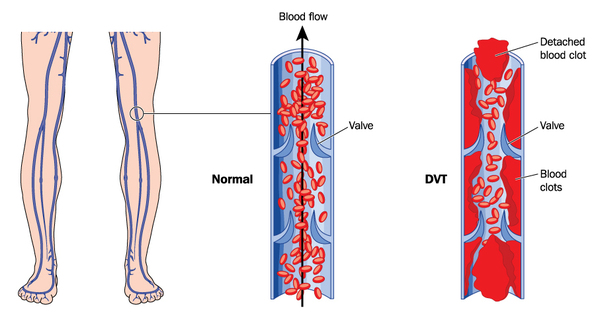
- riziko vzniku predovšetkým hlbokej žilovej trombózy dolných končatín
- bolesť a opuch nohy -pri trombóze
- pozitívne Homansove znamenia (bolestivosť lýtka pri dorzálnej flexii nohy)
- Prattovej strážne žily - rozšírenie povrchových žíl na prednej strane predkolenia
- častejšie spontánne potraty
- častejšie rozvoj preeklampsie (zvýšený krvný tlak a bielkoviny v moči počas tehotenstva)
- častejšie pôrod plodu s nízkou pôrodnou hmotnosťou
- častejšie abrupcia placenty (predčasné odlúčenie)
- ako komplikácia rozvoj pľúcna embólia - náhly kašeľ, bolesť na hrudníku, sťažené dýchanie
- vznik trombózy na atypických miestach a v mladom veku, aj bez vzniku rizikových faktorov
- opakované trombózy s/bez rizikových faktorov
Pre spojenie sa s ďalšími ľuďmi s rovnakou diagnózou vo vašom okolí sa prihláste.
Prihlásenie