
Všeobecné
Kostmannov syndróm je veľmi zriedkavé imunitné postihnutie. Je vrodené, geneticky podmienené a vyskytuje sa len u niekoľkých jedincov z milióna.
Diagnostika
Príčinou je genetická mutácia, ktorá naruší zrenie neutrofilov v kostnej dreni. Neutrofily (celým názvom neutrofilné granulocyty) sú najpočetnejším typom bielych krviniek a tvoria akúsi obrannú prvú líniu proti škodlivým mikroorganizmom.
Bežná koncentrácia týchto neutrofilov je približne 2-5 tisíc na mm kubický krvi. U chorých trpiacich Kostmannovým syndrómom je vzhľadom na ich narušené dozrievanie, prítomných v krvi len veľmi málo neutrofilov (neutropénia), a to pod 200 buniek na mm3.
Takto výrazný pokles neutrofilov má vplyv na imunitu jedinca. Jej narušenie je spojené s početnými a ťažko prebiehajúcimi bakteriálnymi infekciami už v novorodeneckom veku. Vznikajú infekcie horných dýchacích ciest, zápaly pľúc, infekcie močových ciest, na najrôznejších miestach tela vznikajú abscesy, zápaly pobrušnice a neustále hrozí otrava krvi.
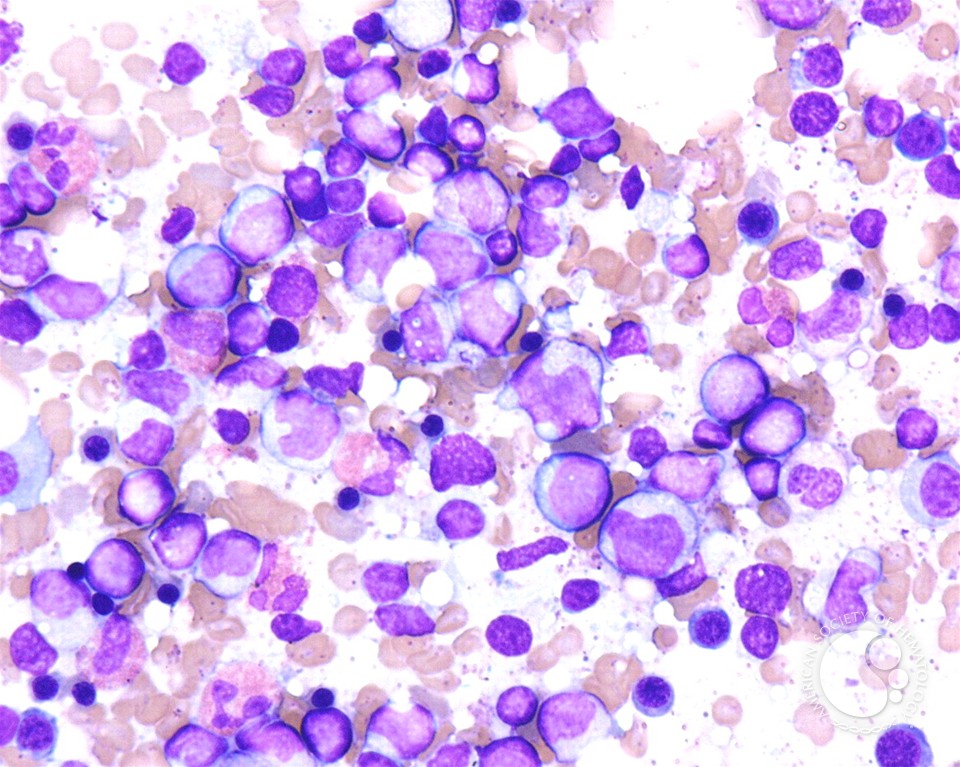
Pre diagnózu je potrebné hematologické vyšetrenie, ktorého súčasťou je odber krvi. V krvnom obraze sa zistí nedostatok neutrofilov, inak bude nález bez výrazných odchýlok od normy. Vykonáva sa aj odber vzorky kostnej drene a ani tu nebude nijak výrazný nález, okrem nedostatku zrelých foriem neutrofilov.
Liečba
Samotná porucha síce vyliečiť nejde, moderná lekárska veda má však v ruke mocnú zbraň – CSF alebo Colony Stimulating Faktory. Tieto zlúčeniny sa podávajú chorému, podporujú dozrievanie neutrofilov a zvyšujú tak ich počet v krvi. V prípade vypuknutia infekcie sa organizmus podporuje podávaním antibiotík. Pred vynálezom CSF bola úmrtnosť obrovská už v prvých mesiacoch života, dnes je prognóza postihnutých výrazne lepšia.
- nízka koncentrácia neurofilov
- znížená imunita
- infekcie horných dýchacích ciest
- zápaly pľúc
- infekcie močových ciest
- hrozí otrava krvi
- abcesy na rôznych častiach tela
- zápal podbrušnice
Pre spojenie sa s ďalšími ľuďmi s rovnakou diagnózou vo vašom okolí sa prihláste.
Prihlásenie