
Všeobecné
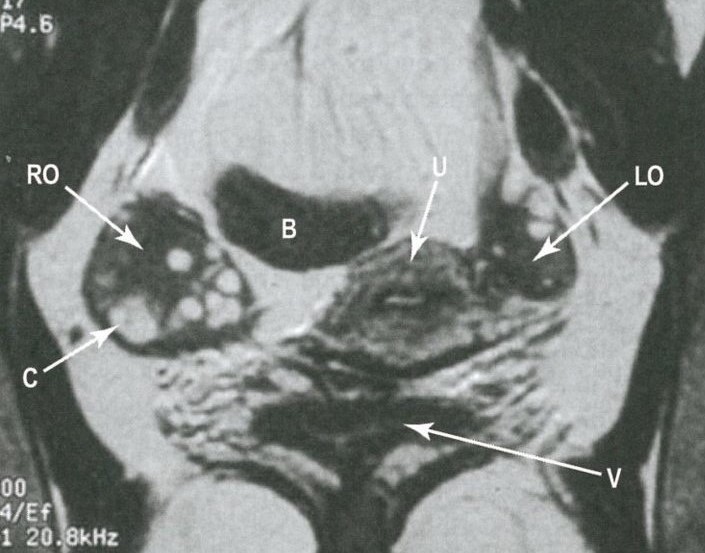
Kallmannov syndróm, olfaktogenitálny syndróm (anglicky Kallmann syndrome) je veľmi zriedkavé, geneticky podmienené vrodené ochorenie, ktoré sa častejšie vyskytuje u mužov ako u žien a má vplyv najmä na pohlavné dospievanie.
Príčinou tohto ochorenia je mutácia niekoľkých génov, ktorá vedie k poruchám vývoja čuchového ústrojenstva a tiež k poruchám hypotalamu, čo je časť mozgu, ktorá je zodpovedná aj za správny pohlavný vývoj jedinca, ktorý je teda narušený. Príčina príznakov pozostáva v zníženej koncentrácii hormónov, ktoré ovplyvňujú vyplavovanie pohlavných hormónov a vývoj semenníkov a vaječníkov, teda bude znížená ich funkcia.
Tento syndróm sa vyskytuje s frekvenciou približne 1: 8000 chlapcov a 1: 40000 dievčat. Kallmannov syndróm bol na základe typických klinických príznakov popísaný už v prvej polovici minulého storočia.
Diagnostika
Diagnostika ešte stále nie je v súčasnosti dotiahnutá. Kallmanov syndróm vzniká mutáciou rôznych génov, asi u 50% pacientov sa nedokáže mutácia žiadneho génu. Kallmanov syndróm môže byť taktiež dedičný rôznymi cestami dedičnosti.
Liečba
Podávanie pohlavných hormónov, ktoré zmierňujú príznaky a upravujú správny vývoj pohlavných orgánov a teda úprava sekundárnych pohlavných znakov, porucha čuchu je však nevyliečiteľná.
- typicky anosmia - porucha funkcie čuchu
- hypogonadizmus - nedostatočný vývoj a porucha funkcie pohlavných žliaz (je znížená)
- deficit gonadotropínov - hormóny riadiace pohlavné žľazy
- u zasiahnutého jedinca teda nenastupuje typická puberta
- bez typických sekundárnych pohlavných znakov, chlapci nemutujú
- retencia semenníkov - porucha zostupu semenníkov u chlapcov
- mikropenis malých chlapcov
- abnormality pubického ochlpenia (riedke či celkom chýba)
- u dievčat nie je menštruácia
- nevyvíja sa prsné tkanivo
- často tiež hluchota, rázštepové chyby (napr. tváre), farbosleposť alebo porucha zraku, narušený vývoj zubov
- porucha vývoja obličiek
- u niektorých ľudí znaky mentálnej retardácie
- osteoporóza (pre nedostatok pohlavných hormónov)
Pre spojenie sa s ďalšími ľuďmi s rovnakou diagnózou vo vašom okolí sa prihláste.
Prihlásenie