
Všeobecné
Harlequin-type ichthyosis (tiež harlequin ichthyosis, ichthyosis congenita, ichthyosis fetalis, keratosis diffusa fetalis, česky: Plod Harlekýn), je kožné, vrodené, autozomálne recesívne ochorenie radiace sa v MNK / ICD ako Q.80.4. a jedná sa o najvážnejšiu formu vrodenej ichthyózy, ktoré sa vyznačuje predovšetkým hromadením keratínových vrstiev v pokožke plodu a jedná sa teda o poruchu rohovatenia.
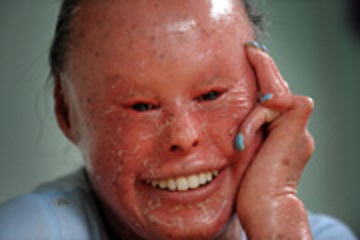
Deti s týmto ochorením majú kožu tvorenú tvrdými, silnými žltkavými šupinami. Oči, uši bývajú nesprávne vyvinuté. Šupinatá a popraskaná pokožka, tvoriace hlboké trhliny, prakticky a bolestivo obmedzujú pohyb dieťaťa a keďže v oblastiach, kde sa nachádza obnažené, krvácajúce tkanivo, je silne zvýšené riziko bakteriálnej nákazy a kontaminácie, je dieťa v neustálom nebezpečenstve smrteľnej infekcie. Závažnosť HTI je rozdelená do troch úrovní, z ktorých druhá a tretia sú vždy letálne.
Označenie harlequin-type bolo odvodené zo zjavného výrazu tváre (Eclabius) a rozmerných šupín, ktoré sa podobajú vzoru na tkaninách dvorných šašov (Šašo - Arlecchino). Tieto vonkajšie príznaky sú však zapríčinené závažnou hyperkeratózou. Choroba môže byť diagnostikovaná už v maternici za využitia metódy, tzv. Biopsie chorion (zvyčajne sa vzorka odberá v 11. - 14. týždni tehotenstva), keď lekár odoberá vzorku placenty, morfologickú analýzu plodovej vody zvanú Amniocentéza. Lekári môžu tiež rozlíšiť prvé prejavy ochorenia aj za pomoci ultrazvuku a tým určiť zdravotný stav plodu. Ultrazvuková metóda má svoju výhodu z dôvodu neinvazívnosti.
Diagnostika
Ako hlavný činiteľ vo vzniku ochorenia HTI sa dnes v lekárskej genetike považuje mutácia génu ABCA12, ktorý je lokalizovaný v 2. chromozóme, konkrétne v dlhom (q) ramene. Pokiaľ tento gén nie je v genotype obsiahnutý, alebo je tu ho veľmi obmedzené množstvo, potom naďalej zapríčiňuje nespočetné množstvo problémov s vývojom epidermis v prenatálnom i postnatálnom období.
Funkcia ABCA12 spočíva predovšetkým v udávaní pokynov pre produkciu bielkoviny, nazývanej (ABC) - ATP-Binding Casse, čo je vo svojej podstate prenášač bielkovín, nesúcich molekulárny materiál cez bunkové membrány. Ak je táto chyba zapríčinená mutáciou génu ABCA12, nasleduje rozvoj HTI, alebo ďalšie závažné kožné choroby, Lamelárna ichthyóza typu 2, ktorá síce svojím vplyvom na novorodenca nie je natoľko nebezpečná a ohrozujúce ako HTI, však ide tiež o vážnu vývojovo vrodenú chybu.
Liečba
V minulosti bývala táto choroba, vzhľadom k nedostatočnej dostupnosti lekárskej pomoci, takmer vždy smrteľná, i keď dodnes nie je liečiteľná. Dehydratácia, infekcie, sepsa a obmedzená respirácia ukončovala život týchto detí veľmi bolestivou cestou, pretože aj keď sú Harlekýni väčšinou po narodení dočasne slepí a hluchí, ich schopnosť vnímať vonkajšie podnety a teda aj cítiť bolesť, je plne zachovaná. Novorodenci postihnutí touto poruchou, pri prvom stupni neprežívali ani obdobie jedného týždňa a pri ťažších známkach choroby prežili len niekoľko hodín. Takisto sa tiež stáva, že žena nesúca chorý plod samovoľne potratí.
Každopádne sú dnes k dispozícii prípravky ako Izotretinoín, napr. liečivo Isotrex, ktoré umožňujú stav pokožky aspoň ľahko zlepšiť aj keď procedúry a manipulácia s nimi sú časovo náročné, stav harlekýnov navyše vyžaduje každodennú starostlivosť. Avšak vďaka zlepšujúcej sa kvalite neonatálnej starostlivosti i klinickej genetiky sú dnes známe aj prípady, kedy pacienti prežili detstvo, až do obdobia adolescencie, prípadne dospelosti.
- kraniofaciálne deformácie spôsobené tlakom hrubej kože
- slabo vyvinuté až úplne zakrpatené uši, nosa a očných viečok
- očné viečka sú postihnuté ektropiou (nesprávna poloha), očné spojovky sú zasiahnuté chemózou a buľvy nie sú viditeľné, navyše sú vysoko citlivé na poškodenie a často až úplne nefunkčné
- roztiahnuté pery cez prednú časť čeľuste so suchou, nepružnou pokožkou, strnulé v širokom úškrnu, tzv. Eklabiu
- paže, chodidlá, a prsty, bývajú opuchnuté a deformované do podoby, kedy nie je možné nimi ohýbať
- hypotrofické vlasy a nechty
- možné polydaktýlie (viac prstov)
- respiračné ťažkosti - obmedzené dýchanie pre nesprávne zmrštovanie a rozťahovanie hrudníka,
- hypoventilácia až zástava dýchania
- porucha termoregulácie - neprimeraná citlivosť na zmeny teploty a prehriatie kvôli silnej pokožke
- neschopnosť udržať aj malé množstvo vody kvôli ich šupinám, častá dehydratácia
Pre spojenie sa s ďalšími ľuďmi s rovnakou diagnózou vo vašom okolí sa prihláste.
Prihlásenie