
Všeobecné
Gilbertov syndróm (anglicky Gilbert syndrome) je najčastejšou formou benígnej hyperbilirubinémie (nezávažné zvýšenie bilirubínu v krvi), jedná sa o dedičné ochorenie, ktoré postihuje 5-10% populácie a častejšie postihuje mužov. Syndróm býva objavený obvykle náhodne pri vyšetrovaný adolescentov najčastejšie medzi 15-20 rokom.
Liečba:
Terapia nie je nutná, naopak sa diskutuje o tom, že Gilbertov syndróm môže brániť arteroskleróze hlavne koronárnych (srdcových) tepien. Prognóza je priaznivá.
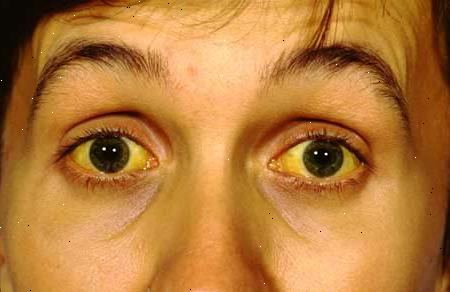
- mierna žltačka
- biochémia: bilirubín v krvi do 80 umol / l intermitentne (občas)
- zhoršenie stavu pri infekcii, veľkej záťaži, operácii, hladovaní - potom sa vyskytujú:
- pocity nevoľnosti
- väčšia únavnosť
- tlak pod pravým rebrom
- subikterus skléry (žlté zafarbenie očného bielka) laboratórne okrem vyššieho celkového bilirubínu sú ostatné parametre v norme
Pre spojenie sa s ďalšími ľuďmi s rovnakou diagnózou vo vašom okolí sa prihláste.
Prihlásenie