
Všeobecné
Gardnerov syndróm (angl. Gardner syndrome, Polyposis coli and multiple hard and soft tissue tumors) je vrodené geneticky podmienené ochorenie, ktoré je veľmi zriedkavé. Má priamu súvislosť so vznikom niektorých nádorových ochorení – najmä kolorektálnym karcinómom, a preto je dobré mať o ňom povedomie a aspoň niečo o tomto syndróme vedieť.
Dá sa povedať, že Gardnerov syndróm je formou FAP – Familiárnej adenomatóznej polypózy. U týchto jedincov je tiež zvýšené riziko iných nádorov – pankreasu, štítnej žľazy, centrálneho systému, pečene, žlčového systému, nadobličky, tenkého čreva. U niektorých môžu vzniknúť abnormality zubov – osteomy, alebo epidermoidné cysty, fibrómy či lipómy (nezhubné nádory spojivového tkaniva)
Príčiny
Príčinou je mutácia v géne zvanom APC – tumor supresorový gén. Funkcie APC génu sú rozličné, pre zjednodušenie povedzme, že jeho správna funkcia reguluje bunkové delenie a bráni vzniku nádorov. Mutácie v tomto géne nie sú vzácne a vznikajú kvôli nim aj iné ochorenia než Gardnerov syndróm.
Dedičnosť je autozomálne dominantná, preto stačí len jeden gén od jedného rodiča na prejav ochorenia.
Pozn: Mutáciou v APC géne vzniká aj oveľa častejšie ochorenie známe ako FAP (Familiárna Adenomatózna Polypóza). Pre FAP je tiež typický výskyt polypov v hrubom čreve, ale ostatné prejavy Gardnerovho syndrómu už nie. Možno to však vziať aj z opačného uhla pohľadu a povedať, že Gardnerov syndróm je v podstate variantou FAP s ďalšími prejavmi navyše.
Diagnostika
Diagnóza vyplýva z uvedených prejavov (najmä polypov v hrubom čreve), definitívny dôkaz poskytne genetické vyšetrenie jedinca.
Liečba
Prevencia syndrómu neexistuje a nemožno ho ani vyliečiť. Prognóza nie je dobrá.
Možno prirodzene znižovať riziko objavenia sa nádorových ochorení v skorých štádiách, vykonávať časté kontroly u lekárov vrátane zobrazovacích metód (pravidelné kolonoskopie), dokonca v niektorých prípadoch má význam hrubé črevo zaplnené polypmi, alebo iné profylaktické operácie (preventívne odstránenie ešte nádorom nenapadnutých orgánov).
Ustrážiť bunky celého tela je však nemožné, mutácia APC génu je prítomná vo všetkom a to robí z organizmu jeden ,,veľký sud pušného prachu,,. Nakoniec nejaký ten zhubný nádor predsa len vznikne.
Chorí s Gardnerovým syndrómom sa len málokedy dožijú viac ako 50 rokov veku. V prípade, že sa hrubé polypomatózne črevo neodstráni zavčas, malignita sa objavuje okolo 39. roku života.
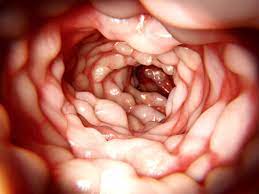
- veľké množstvo (stovky až tisíce) črevných polypov v hrubom čreve - útvary, ktoré vyrastajú zo sliznice, ktoré sa začínajú objavovať v priemere 16 – tich rokov. U Gardnerovho syndrómu majú charakter nezhubných nádorov, ktoré nanešťastie majú časom tendenciu k malignizaci, tj. začnú sa meniť na zhubné nádory hrubého čreva.
- častejšie sa vyskytujú zhubné nádory štítnej žľazy, nádory pečene, nádory mozgu a nádory obličiek, nadobličiek, žlčníka
- relatívne často vznikajú aj početné nezhubné nádory v kostiach (osteómy) a nezhubné podkožné nádory z väziva (fibrómy)
- zubné abnormality
- adenomatózne zmeny žalúdka a tenkého čreva
- kongenitálna hypertrofia pigmentovej vrstvy retiny
- benígne zmeny kože ako epidermoidné cysty, fibrómy, lipómy
Pre spojenie sa s ďalšími ľuďmi s rovnakou diagnózou vo vašom okolí sa prihláste.
Prihlásenie