Freeman-Sheldonov syndróm
Find a cause you want to help. Every contribution counts.

Všeobecné
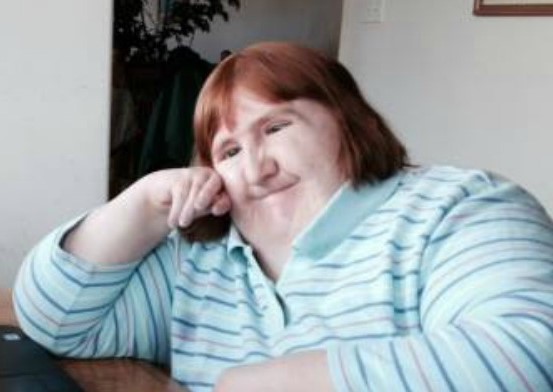
Freeman-Sheldonov syndróm (angl. Freeman – Sheldon syndrome) je zriedkavé geneticky podmienené vrodené ochorenie, ktoré postihuje najmä svalovú a kostrovú sústavu, najmä v oblasti tváre, rúk a nôh. Jedinci s týmto syndróm majú typický vzhľad, malé a zošpúlené pery pripomínajúce vzhľad pískajúcich pier. Preto sa niekedy tento syndróm volá laicky syndróm pískajúcej tváre („whistling face syndrome“). Celosvetovo bol tento syndróm stanovený len u niekoľkých desiatok jedincov.
Príčiny
Príčinou sú genetické mutácie. Je známych niekoľko génov, ktoré môžu mať za následok vznik tohto syndrómu. Dedičnosť je autozomálne dominantná, čiže na prejav ochorenia stačí jeden gén od jedného z rodičov.
Diagnostika
Podozrenie možno získať z príznakov, svoju úlohu v diagnóze choroby hrá aj genetické vyšetrenie, pri ktorom hľadáme narušené gény, ktoré sa však nemusia vždy nájsť.
Liečba
Prevencia nie je možná a syndróm ako taký nemožno ani vyliečiť. Liečia sa iba príznaky – postihnutie končatín obvykle vyžaduje viacero chirurgických a ortopedických zákrokov. Zúžené ústa sa dajú zväčšiť pomocou plastickej chirurgie. Dôležitá je aj rehabilitácia na podporu chôdze.
- abnormality tváre - malé ústa (ako keby chcel pískať), plochú tvár a ovisnuté horné viečka, priestor medzi nosom a hornou perou je pretiahnutý, prominentné čelo, hypertelorizmus (oči sú ďaleko od seba), krátky nos, hlboko posadené oči, malý jazyk, malá sánka, vysoké podnebie
- porucha sluchu
- porucha s kŕmením pre ťažký reflux v detstve, z toho vyplývajúce neprospievanie a porucha rastu
- porucha rozprávania
- skolióza chrbtice (esovité zakrivenie)
- kontrakcie svalov končanín vrátane prstov, čo výrazne zhoršuje pohyblivosť postihnutého a spôsobuje krívanie
- skrátené Achillové šľachy, čo má za následok vznik „konskej nohy“ (pes equinovarus).
- zvýšené riziko malígnej hypertermie (abnormálna reakcia na niektoré anestetiká počas celkovej anestézii)
- asi jedna tretina jedincov má aj nejakú poruchu intelektu
Pre spojenie sa s ďalšími ľuďmi s rovnakou diagnózou vo vašom okolí sa prihláste.
Prihlásenie