
Všeobecné
FG syndróm (FG syndrome) je veľmi zriedkavé geneticky podmienené vrodené ochorenie postihujúce ako fyzický vzhľad tak aj inteligenciu a správanie chorého. Na celom svete je zdokumentovaných len niekoľko stoviek jedincov s týmto postihnutím, ich skutočný počet môže byť však výrazne vyšší. „FG“ predstavujú iniciály rodiny, u ktorej sa prvýkrát popísal genetický syndróm. Syndróm má široký rozptyl od ľahkej po ťažkú formu. Jedinci s FG syndrómom zvyknú byť priateľskí, zvedaví až hyperaktívni, s krátkym trvaním pozornosti. V porovnaní s inými jedincami s mentálnou poruchou sa radi socializujú a vedia sa o seba postarať, avšak ich komunikačné schopnosti a verbálne vyjadrovanie je slabšie.
Príčiny
Príčinou je mutácia jedného z génov na chromozóme X. Postihnutí týmto syndrómom bývajú v skoro vždy muži.
Diagnostika
Chorobu možno diagnostikovať špeciálnym genetickým vyšetrením, ktoré nájde mutáciu génu na X chromozóme.
Liečba
Prevencia vrodeného ochorenia nie je možná, rovnako tak ani účinná liečba neexistuje. Mentálna retardácia si vyžaduje špeciálnu pedagogickú starostlivosť. Pri nepriechodnosti konečníka je nutný chirurgický zákrok vedúci k úprave anatomického defektu a k jeho spriechodneniu.
- stredne ťažká až ťažká mentálna retardácia
- poruchy správania – hyperaktivita a poruchy pozornosti, sú ťažšie ovládateľní, avšak bývajú priateľskí a spoločenskí
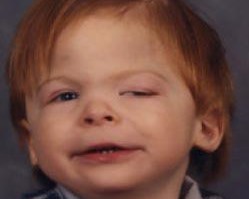
- charakteristické črty tváre – makrocefália (väčšia hlava), hypertelorizmus (oči ďaleko od seba), malé uši, menšia horná pera a zväčšená horná pera, vysoké čelo
- široké palce na končatinách
- hypotónia – znížený svalový tonus
- vrodené vývojové chyby tráviacej trubce – nepriechodný konečník, obstipácia (zápcha)
- abnormality corpus callosum (nervové tkanivo mozgu, ktoré spája pravú a ľavú hemisféru)
- možné aj vrodené srdcové chyby, kŕče, nezostúpené semenníky u mužov, ingvinálna hernia
Pre spojenie sa s ďalšími ľuďmi s rovnakou diagnózou vo vašom okolí sa prihláste.
Prihlásenie