Familiárna stredomorská horúčka
Find a cause you want to help. Every contribution counts.

Všeobecné
Familiárna stredmorská horúčka (anglicky familiar mediterranean fever, anglická skratka FMF) je vrodené, dedičné ochorenie (autozomálne recesívnou cestou). FMF je charakterizované opakujúcimi sa horúčkami s bolesťami brucha a hrudníka. Zvyčajne sa ochorenie vyskytuje u jedincov pochádzajúcich z oblasti Stredozemného mora a Stredného východu, ide teda o Židov, Turkov, Arabov a Arménov. Ochorenie nie je nákazlivé.
Familiárna stredomorská horúčka FMF sa vyskytuje s frekvenciou 1: 1000 u vyššie uvedenej rizikovej populácie, naopak v ostatných krajinách sveta je veľmi vzácna. V poslednej dobe bol tiež objavený gén (MEFV), ktorý je zodpovedný za správnu reguláciu zápalu v tele. Tento gén, pokiaľ nie je mutovaný, kóduje proteín pre zníženie zápalu. Pričom tento gén bol detekovaný tiež u Talianov, Grékov a Američanov. Najviac postihuje vekovú kategóriu mladistvých - teda ľudí pred 20. rokom života. Chlapci sú postihnutí častejšie ako dievčatá. Existujú dva typy FMF.
Spôsobuje ataky horúčky, bolesti brucha, kĺbov, pľúc. Medzi týmito epizódami sa väčšinou pacienti cítia bez ťažkostí. Tieto epizódy sa môžu opakovane vracať po pár dňoch alebo rokoch. Existuje pár komplikácii, ktoré môžu spôsobiť zdravotné problémy - ochorenie obličiek, abnormálna hladina proteínov v tele, infertilita u žien, bolesti kĺbov.
Diagnostika
FMF sa diagnostikuje najčastejšie v detstve. Diagnostika sa vykonáva na základe uvedených príznakov a definitívne označenie záchvatov horúčok za FMF je až po 3 prekonaných epizódach. V posledných rokoch sa čoraz viac používa k diagnostike genetická analýza a laboratórne testy.
Liečba
Liečba familiárnej stredomorskej horúčky FMF je pomerne jednoduchá a je založená na celoživotnom užívaní kolchicínu v preventívnych dávkach, ktorý síce nelieči príčinu choroby, ale zabraňuje vzniku horúčkových záchvatov a ukladanie amyloidu. Pri správnom užívaní liečby nastane u 60% pacientov s FMF vymiznutie ťažkostí, čiastočná odpoveď sa dostaví u 30%, u 5-10% detí je liečba neúčinná.
Medzi časté nežiaduce účinky sú hnačky. Vtedy sa liečba musí znižovať na dávku, ktorá je dobre tolerovaná. Prechodné zníženie množstva laktózy v strave počas 3 týždňov môže taktiež napomôcť ústupu tráviacich ťažkostí.
K ďalším vedľajším účinkom patrí pocit na vracanie, vracanie a kŕčovité bolesti brucha. Zriedkavo môže kolchicín spôsobiť svalovú slabosť. Počet krvných buniek (biele a červené krvinky a krvné doštičky) môže občas poklesnúť, ale normalizuje sa po znížení dávky.
- opakujúce sa horúčky, sprevádzané bolesťami brucha, hrudníka a kĺbov
- horúčky trvajú zvyčajne 1 - 4 dni
- silné bolesti brucha sa vyskytujú u 90% pacientov, môžu napodobňovať akútny zápal slepého čreva
- inokedy sú prítomné iba miernejšie brušnéň ťažkosti spájané so zápchou alebo poruchou trávenia
- bolesť na hrudníku je zvyčajne jednostranná s ťažkosťou nadýchnuť sa, prejavuje sa u 20-40% postihnutých
- zvyčajne zasiahnutý jeden kĺb (monoarthritis) - členok alebo koleno
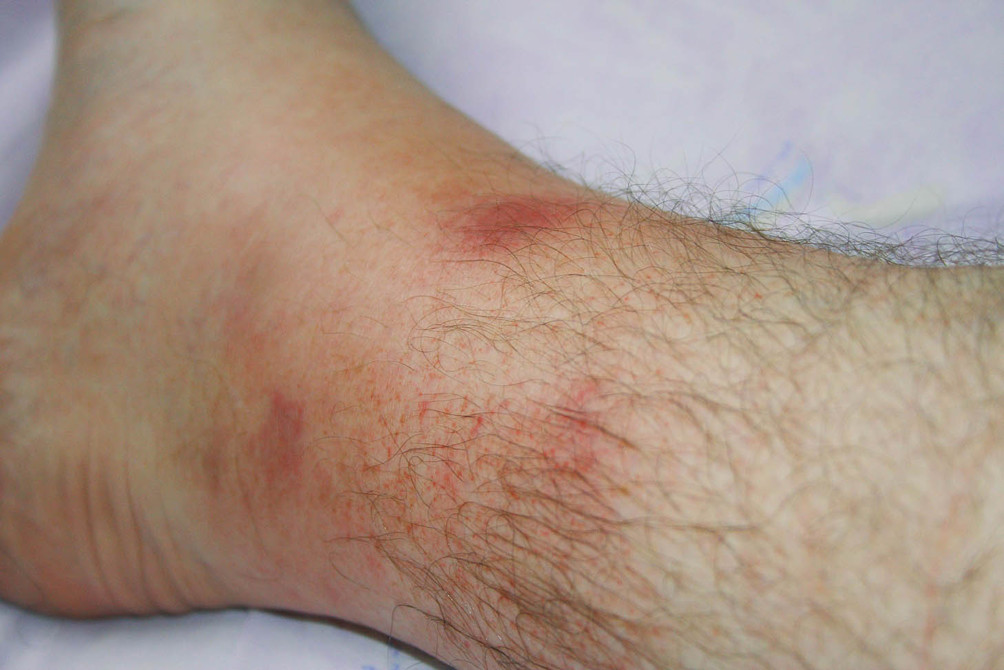
- na zasiahnutom kĺbu sa môže objaviť červená vyrážka, opuch
- v 5-10% prípadov môžu zápaly kĺbov prejsť do poškodenia kĺbu
- vyrážka u FMF je nazývaná erysipelas-like erytém
- u neliečených prípadov rozvoj amyloidózy - amyloid je proteín, ktorý sa pri zápaloch nekontrolovane ukladá do obličiek, srdcového svalu a pod. - rozvoj amyloidózy, ktorá spôsobuje poškodenie srdcového svalu/obličiek
- ojedinele sú prítomné rekurentné perikarditídy (zápal osrdcovníka), myozitída, periorchitída (zápal okolia semenníkov), meningitída
Pre spojenie sa s ďalšími ľuďmi s rovnakou diagnózou vo vašom okolí sa prihláste.
Prihlásenie