
Všeobecné
Fabryho choroba čiže X-viazaná sfingolipidóza (anglicky Fabry disease, Fabry 's disease, Anderson-Fabry disease, angiokeratoma corporis diffusum, alpha-galactosidase A deficiency) patrí do skupiny raritných genetických ochorení, Je to metabolické lyzozómové ochorenie s frekvenciou vzniku 1:40 000. Ide o dedičné ochorenie viazané na chromozóm X, ktoré kóduje lyzozomálny enzým alfa-galaktozidázu A (alfa-GAL). Pacient s touto chorobou nie je schopný spracovať, metabolizovať a využiť určitú časť látok - konkrétne tukov glykosfingolipidov, ktoré sú prijímané bežne z potravy obsiahnuté v tukoch (znížená alebo chýbajúca aktivita alfa-GAL má za následok ukladanie depozidov globotrialosylceramidu (CL-3) v endoteli (výstelka cievy) a viscerálních tkanivách. CL-3 sa teda hromadí v stenách ciev a iných orgánových tkanivách - srdci, obličkách a inde, čo spôsobuje ich postupné morfologické a funkčné zmeny, - dochádza k multisystémovému poškodeniu orgánov - obličiek, srdca a CNS.
Chorobu popísali v roku 1898 Angličan William Anderson a Nemec Johann Fabry ako angiokeratoma corporis diffusum universale, morbus Fabry alebo Andersonova - Fabryho choroba.
Prejavy
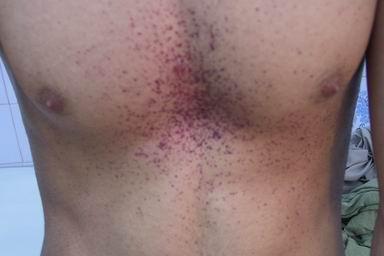
Prejavy choroby sú ťažko predvídateľné, zvyčajne začínajú v detstve či v období dospievania miernymi príznakmi -periodické bolesti prstov a rúk, znížené potenie (hypohidróza), kožné prejavy - angiokeratómy kože a postupné orgánové poškodenie obličiek, a srdca - koncentrická hypertrofia myokardu komplikovaná arytmiami.
Diagnostika
Podstata diagnostiky je genetické a molekulárne vyšetrenie eventuálne biopsia orgánov (nerobí sa paušálne), s potvrdením kardiomyopatie a obličkového ochorenia. Na základe štrukturálnych zmien a srdca odosiela kardiológ alebo nefrológ vzorku pacienta na genetické vyšetrenie. Pri potvrdení diagnózy sa odporúča doplniť genetické vyšetrenie príbuzných.
Liečba
Bez liečby pacienti zomierajú počas štvrtej až piatej dekády života. Základom liečby je náhrada chýbajúceho enzýmu - intravenózne podávané agalzidáza v rámci ERT - enzyme replacement therapy. Táto terapia sa realizuje na slovensku v špecializovanom centre metobolických ochorení (NUDCH BA). Ďalšia terapia je terapia pridružených komplikácií, symptomatická terapia - nefroprotektívna terapia,
- analgetická terapia pre bolesti a akroparestézie,
- liečba tráviacich ťažkostí - substitúcia pankreatických enzýmov,
- odporúča sa zmena stravovacích návykov,
- liečba srdcového zlyhávania, kardioprotekcia,
- event. liečba poruchy rytmu, ktorá býva častá (možná aj implantácia KS, kardioverterdefibrilátora).
- spočiatku typicky akroparestézia - ataky výraznej bolesti v končatinách, ktoré sa opakujú
- bolesti sú vyvolané námahou alebo zmenami teploty
- bolesti trvajú hodiny až dni
- ataky zvýšených teplôt
- intolerancia horúčavy, chladu a cvičenie
- znížené potenie
- dystrofia rohovky
- u 80% pacientov sú charakteristické kožné lézie - angiokeratómy kože
- angiokeratómy sú prítomné najmä v dolnej časti brucha, na zadku
- proteinúria (zvýšené hodnoty bielkovín v moči), mikroskopická hematúria,
- progresívne (postupné zhoršovanie) postihnutie obličiek až vyústenie do obličkového zlyhávania
- zväčšenie ľavej srdcovej komory (koncentrická hypertrofická kardiomyopatia)
- postihnutie srdcových chlopní
- poruchy prevodného systému srdca
- poruchy srdcového rytmu, arytmie
- rozvoj kongestívneho srdcového zlyhania či infarktu myokardu
- možný vznik cievnej mozgovej príhody v ranom veku
- závraty
- strata sluchu a rovnováhy
Pre spojenie sa s ďalšími ľuďmi s rovnakou diagnózou vo vašom okolí sa prihláste.
Prihlásenie