
Všeobecné
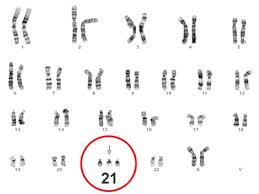
Erondu-Cymetov syndróm (angl. Erondu-Cymet syndrome) je veľmi vzácny geneticky podmienený vrodený syndróm, ktorý popísal v roku 2006 Ugochi Erondu a Tyler Cymet. Príčinou je vrodená abnormalita 21. chromozómu. V prípade Erondu-Cymetovho syndrómu sa jedná o tzv. chromozomálnu inverziu, to znamená, že určitý úsek chromozómu sa odtrhne, otočí sa o 180 ° a takto obrátene sa „prilepí“ späť.
Prejavy
Chorí majú o mierne horšie intelektuálne schopnosti, trpia nízkym tlakom a môžu u nich byť prítomné epileptické záchvaty. Vyskytujú sa aj rôzne chyby kardiovaskulárneho aparátu, napríklad abnormality pľúcnych ciev, či hornej dutej žily.
Diagnostika
Pre správnu diagnostiku choroby treba vykonať genetické vyšetrenie. Odoberie sa vzorka buniek chorého (zvyčajne biele krvinky z krvného odberu) a vyšetrí sa ich chromozomálna výbava.
Liečba
Syndróm je vrodený, prevencia ani liečba preto neexistujú, liečba je len symptomatická.
- nízky tlak
- epileptické záchvaty
- poruchy správania
- abnormality pľúcnych ciev alebo hornej dutej žily
Pre spojenie sa s ďalšími ľuďmi s rovnakou diagnózou vo vašom okolí sa prihláste.
Prihlásenie