Ehlersov-Danlosov syndróm
Find a cause you want to help. Every contribution counts.

Všeobecné
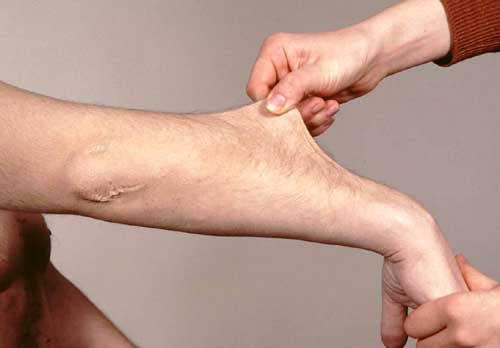
Ehlers-Danlosov syndróm (anglicky Ehlers-Danlos syndrome, skr. EDS) je zriedkavé dedičné ochorenie spojivového tkaniva spôsobené porušenou tvorbou kolagénu, prípadne inej zložky spojivového tkaniva. Ovplyvňuje kožu, kĺby a iné orgány. EDS spôsobujú hypermobilitu kĺbov, hyperelasticitu kože, atrofické jazvovatenie a fragilitu (krehkosť) ciev. Jedná sa o celú skupinu porúch, ktoré sa líšia svojou závažnosťou od miernej až po život ohrozujúce. Toto ochorenie sa vyskytuje v niektorej zo svojich foriem asi u jedného človeka z 5000. Syndróm je pomenovaný po dvoch lekároch, ktorí ho identifikovali na prelome 20. storočia.
Prejavy:
Spoločným znakom rôznych typov je oslabené spojivové tkanivo, čo môže spôsobiť hypermobilitu kĺbov, krehkú kožu a ďalšie problémy s väzivom.
Diagnostika:
Na základe klinického nálezu, hyperflexibility kĺbov a hyperelasticity kože lekár indikuje zobrazovacie vyšetrenia kĺbov (MRI) za účelom posúdenia stavu kĺbov a iných štruktúr. Stanovenie diagnózy určuje klinický genetik, ktorý na základe genetického a molekulárneho vyšetrenia dokáže s určitosťou potvrdiť diagnózu EDS. V určitých prípadoch sa nedokáže potvrdiť diagnóza na základe potvrdenej mutácie génu, diagnóza sa dá stanoviť aj na základe typických klinických príznakov a vylúčením iných podobných syndrómov.
Liečba:
Toto ochorenie je nevyliečiteľné a terapia je tak iba podporná. Pacient sa musí vyvarovať niektorých činností, pri ktorých mu hrozí poranenie jeho ľahko zraniteľných tkanív. Pomáha používanie ochranných pomôcok a pomôcok na stabilizáciu kĺbov, liečba vyvrtnutých kĺbov. Pre zlepšenie hojenia rán je možné podávať aj vitamín C.
Je potrebné, aby pacient s EDS bol dispenzarizovaný rôznymi špecialistami. Potrebné sú pravidelné kontroly kardiológom (dopĺňanie echokardiografického vyšetrnenia ako včasná detekcia chlopňových chýb), internistom vhľadom na nutnú dôslednú kontrolu krvného tlaku a liečbu artériovej hypertenzie, ortopédom za účelom preventívnych kontrol a včasnej liečby.
- typická hypermobilita (zvýšená ohybnosť) všetkých kĺbov
- kĺby sú nestabilné a ľahko dochádza k ich vyvrtnutiu
- ochabnutosť a hyperelasticita kože, ktorá vytvára dojem priesvitnosti
- koža je veľmi náchylná k zraneniu, na koži teda bývajú početné jazvy
- visiaca alebo prebytočná koža
- bežne u pacientov skolióza, osteoartróza
- často tiež postihnuté spojivové tkanivo vnútorných orgánov
- fragilita (krehkosť) ciev s početnými aneuryzmami - vakovitými výchlipkami na cievach
- krvácanie z ďasien a tráviaceho traktu
- nadmerná tvorba hematómov (modrín) a mäkkých pseudotumorov
- na lakťoch a kolenách xantelazmy - kožné výrastky
- u najťažších foriem náchylnosť k prasknutiu očnej gule, ruptúry čriev či veľkých ciev
- krvný obraz: prítomnosť abnormálnych krvných doštičiek (trombocytov)
Pre spojenie sa s ďalšími ľuďmi s rovnakou diagnózou vo vašom okolí sa prihláste.
Prihlásenie