
Všeobecné
Edwardsov syndróm, ES (trizómia 18, anglicky Trisomy 18, Edwards Syndrome) je vrodená porucha genetiky dieťaťa, ktorá nastáva pri delení buniek - meiotickom delení (pri delení pohlavných buniek), kedy sa chromozómy nesprávne rozdelia (meiotická disjunkcia), čo má za následok, že je v bunkách 18. chromozóm navyše (trizómia). 18. chromozóm je zodpovedný za rast a vývoj orgánov, ktorý je v tomto prípade narušený. Tento syndróm bol prvýkrát opísaný Johnom H. Edwardsom v roku 1960, podľa ktorého je ochorenie tiež pomenované. ES sa radí medzi najčastejšie vrodené poruchy spôsobené numerickými odchýlkami chromozómov, kde na prvom mieste je Downov syndróm.
ES má širokú škálu symptómov, od ľahkej formy až po ťažkú. Každé dieťa je jedinečné, nedá predpovedať, akú bude mať dieťa prognózu. Všetko závisí od miery poškodenia orgánov. ES sa delí na kompletnú, neúplnú formu a mozaikovú formu. Prognóza detí s Edwardsovým syndrómom je často nepriaznivá, častokrát prítomné srdcové anomálie nie sú zlučiteľné so životom a deti zomierajú pred alebo krátko po narodení. Približne 13 zo 100 (iné zdroje udávajú 5-10%) živonarodených detí s ES sa dožije jedného roka života. Najčastejšou príčinou smrti býva ťažká vrodená srdcová chyba. Štatisticky je prežívanie dievčat lepšie ako prežívanie chlapcov.
Formy Edwardsovho syndrómu (Trizómie 18):
Kompletná forma ES
Kompletná forma ES je stav, kedy je v každej bunke plodu prítomný extra chromozóm 18. Tento typ ES je prakticky nezlučiteľný so životom. Táto forma spôsobuje spontánny potrat plodu.
Mozaiková forma ES
Asi 1 z 20 detí s ES má mozaikovú formu. V tejto forme, len časť buniek dieťaťa s ES má prítomný extra chromozóm 18, ostatné bunky majú normálnu genetickú informáciu, bez trizómie 18. Prežívanie detí a závažnosť ďalších komplikácii závisí od percentuálneho počtu poškodených buniek.
Parciálna forma ES
Pri tomto type nemajú bunky kompletný extra chromozóm 18, navyše je prítomná len časť 18. chromozómu. Tento typ má asi 1 zo 100 detí s ES. Klinický stav a závažnosť srdcových chýb a iných orgánov je závislý od veľkosti časti 18. chromozómu.
Štatisticky sa tieto deti dožívajú viac ako 1 rok života, malé percento detí sa dožíva aj dospelosti.
Prejavy:
Každé dieťa je unikátne, nedá sa určiť závažnosť syndrómu, ktorý je variabilný od závažnosti vrodených anomálii. Každé dieťa po narodení máva štandardne nízku pôrodnú hmotnosť, oneskorený psychomotorický vývoj rôzneho stupňa, rôznorodé srdcové chyby spojené s poruchou dýchania, prítomné atrézie pažeráka (slepo ukončený pažerák, ktorý nekomunikuje so žalúdkom).
Diagnostika:
V prvom trimestri tehotenstva sa realizuje skríning na najčastejšie vývojové a genetické poruchy, kde sa vyšetruje aj miera pravdepodobnosti vzniku ES (tripple test). Pri podozdení na prítomnosť ES sa ďalej realizuje vyšetrenie s podrobných USG vyšetrením so zameraním na srdcové chyby - prenatálna echokardiografia a USG ostatných vnútorných orgánov. Pri podozrení sa realizuje amniocentéza alebo odber choriových klkov. Nie je však možné odhadnúť mieru postihnutia, pravdepodobnosť a dobu prežitia.
Edwardsov syndróm sa vyskytuje s frekvenciou 1: 3 000 počatia a 1: 6 000 živo narodených detí. Približne 50% prípadov je diagnostikovaných už v tehotenstve. Riziko vzniku tohto syndrómu rastie s vekom matky. Nie je však nemožné, aby bola porucha diagnostikovaná aj u detí matiek vo veku 20 až 30 rokov.
Po narodení dieťaťa sa realizuje celá škála vyšetrení - najmä kardiologické vyšetrenie za účelom zhodnotenia prítomnosti a závažnosti vrodených srdcových chýb, USG vyšetrenie vnútorných orgánov - nefrologické vyš. - USG so zameraním na obličky, etc.
Výskyt ES v rodine nezvyšuje pravdepodobnosť vzniku ES v rodine, ani u rovnakého páru. Porucha delenia, ktorý je zodpovedný za ES vzniká náhodne.
Liečba:
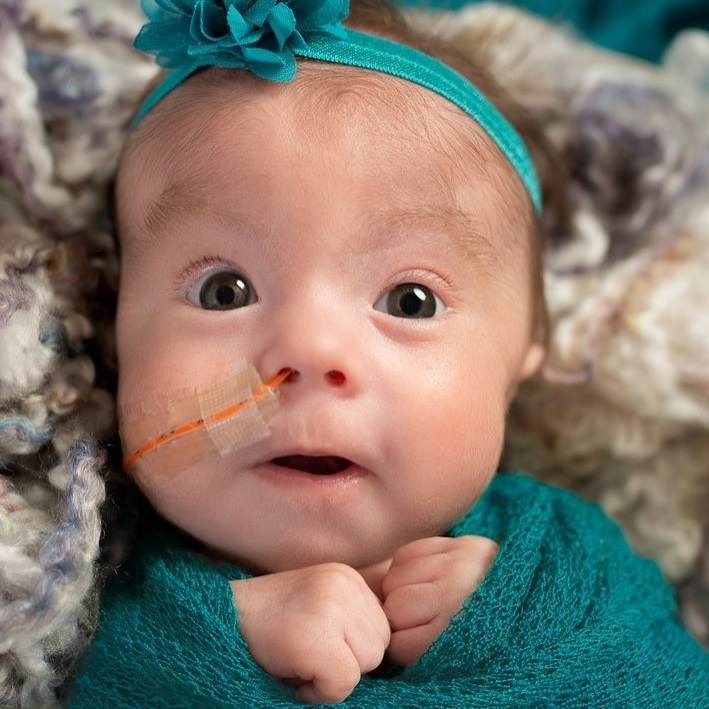
Prognóza závisí od vzniku komplikácii, kardiologických problémov, iných defektov a prospievania. Celková liečba je závislá od celkového stavu dieťaťa, závažnosti kardiologických anomálií. Terapia je chirurgická v závislosti od prítomnosti pažerákovej atrézie alebo ťažkých srdcových vrodených chýb. Je vysoká pravdepodobnosť nutnosti kŕmenia pomocou sondy vzhľadom na ťažkosti s príjmom potravy a neprospievaním. Neskôr je vhodné pre oneskorený psychomotorický vývoj doplniť rehabilitačné cvičenie.
Asi 10% detí sa dožíva svojich prvých narodenín, sú jednotlivci (prevažne dievčatá), ktorí sa dožívajú aj vyššieho veku (20-30 rokov), avšak potrebujú neustálu starostlivosť pre oneskorený psychomotorický vývoj, event. iné zdravotné komplikácie. Môžu byť tiež zapojení do spoločnosti za pomoci svojich rodičov a asistentov. Veľmi podstatnou súčasťou terapie zohráva centrum včasnej intervencie, rehabilitačné cvičenia a sociálni terapeuti, ktorí svojimi terapiami môžu zlepšiť mentálnu a psychomotorickú zložku. Pri zlom zdravotnom stave, častých opakovaných hospitalizáciách a nutnosti lekárskej podpory a starostlivosti dokáže pomôcť organizácia pre starostlivosť nevyliečiteľných pacientov - Plamienok, n.o, alebo ADOS (asistenčná domáca ošetrovateľská starostlivosť).
Každé dieťa ma svoje unikátne špeciálne potreby a špeciálnu osobnosť. Nie je dôležité myslieť príliš dopredu ale vychutnať si každú prítomnú chvíľu so svojím dieťaťom.
- každá bunka v tele extra 18. chromozóm v bunkách (v časti buniek alebo časť chromozómu) - namiesto 2 chromozómov ich má 3 =trizómia
- defekty srdca - defekty predsieňového a/alebo komorového septa (otvorená komunikácia medzi pravými a ľavými časťami srdca), koarktácia aorty (zúžené miesto na aorte, ktoré sekundárne môže poškodzovať funkciu a štruktúru srdca)
- defekty obličiek
- omfalokéla (pupočníková hernia - prietrž, kedy časť čriev je mimo brušnej dutiny)
- ezofageálna atrézia (pažerák nekomunikuje so žalúdkom)
- polyhydramnion (nadbytok plodovej vody počas tehotenstva)
- oneskorený psychomotorický vývoj väčšinou ťažšieho stupňa
- nízka pôrodná hmotnosť, spomalený rast po pôrode
- malá hlava (mikrocefália), abnormálne tvarovaná hlava (strawberry shaped head)
- malá čeľusť (mikrognácia) a ústa
- nízko posadené uši
- zovreté päste s prekrývajúcimi sa prstami
- problémy s prijímaním potravy, neprospievanie
- sťažené dýchanie
- nevyvinuté alebo chýbajúce palce
Pre spojenie sa s ďalšími ľuďmi s rovnakou diagnózou vo vašom okolí sa prihláste.
Prihlásenie