Duchenneova muskulárna dystrofia
Find a cause you want to help. Every contribution counts.

Všeobecné
Duchenneova muskulárna dystrofia (DMD alebo tiež svalová dystrofia štádia Duchennovho typu) je gonozomálne recesívne vrodené ochorenie spôsobené mutáciou génu kódujúceho proteín dystrofín. Je pomenovaný podľa francúzskeho neurológa Guillauma Duchenne de Boulogneho. DMD je smrteľné, zatiaľ neliečiteľné ochorenie, ktoré sa klinicky manifestuje u chlapcov. Ide o najčastejší typ svalovej dystrofie, incidencia sa udáva jeden prípad na 3500 narodených chlapcov
Prejavy
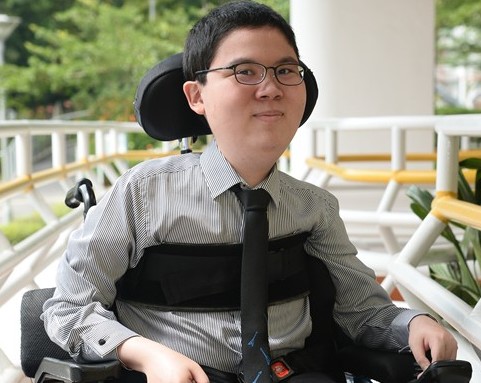
Pre DMD je charakteristická progredujúca svalová ochabnutosť, ktorá najskôr postihuje nohy a panvové svalstvo, neskôr sa rozširuje na horné končatiny, krk a dýchacie svaly. Najneskôr okolo trinásteho roku sú chlapci pripútaní na invalidný vozík. Smrť nastáva obvykle medzi dvadsiatym a tridsiatym rokom ako dôsledok srdcovej alebo dychovej nedostatočnosti.
Dievčatá sú prevažne asymptomatické prenášačky, zvyčajne nemajú vôbec žiadne ťažkosti alebo len minimálne. Je ale známe pár prípadov, keď dievčatá mali typické príznaky DMD alebo BMD.
Beckerova svalová dystrofia (BMD) je miernejšiou alelickou formou s pomalším priebehom a dlhším prežitím pacientov. Fenotyp zahŕňa veľmi široké spektrum postihnutí od veľmi mierneho, kedy sú pacienti celý život ošetrovaní iba ambulantne, až po postihnutie s priebehom podobným DMD. Klinické príznaky sa spravidla objavujú až po piatom roku. Najmiernejšie formy BMD sú charakteristické iba svalovými bolesťami, kŕčmi, prípadne myoglubinúriiou po svalovej práci.
Diagnostika
DMD je spôsobená mutáciou na X chromozóme v géne pre bielkovinu dystrofín. U pacientov s DMD dystrofín úplne chýba, u pacientov s BMD je prítomný zmutovaný dystrofín. Gén pre dystrofín je najväčší známy ľudský gén, preto je pravdepodobnosť výskytu mutácie v tomto géne vysoká. To je príčinou veľkého množstva DMD pacientov- spontánne vzniknutú mutáciu bez rodinnej histórie tejto choroby.
- svalová ochabnutosť
- od približne 13. roku pripútanosť na vozík
- smrť nastáva medzi 20-30 rokom ako dôsledok srdcovej alebo dychovej nedostatočnosti
- dievčatá majú minimálne ťažkosti (len veľmi málo známych prípadov, keď mali typické príznaky DMD)
- klinické príznaky až po piatok roku dieťaťa
Pre spojenie sa s ďalšími ľuďmi s rovnakou diagnózou vo vašom okolí sa prihláste.
Prihlásenie