
Všeobecné
Dubowitzov syndróm je veľmi zriedkavé geneticky podmienené vrodené ochorenie, ktoré bolo diagnostikované len približne u 150 až 200 ľudí. Ovplyvňuje okrem iného aj hormonálny systém, a preto má pomerne rozsiahle dôsledky.
Príčiny
Príčina vzniku syndrómu nie je presne známa, predpokladá sa mutácia nejakého génu.
Prejavy
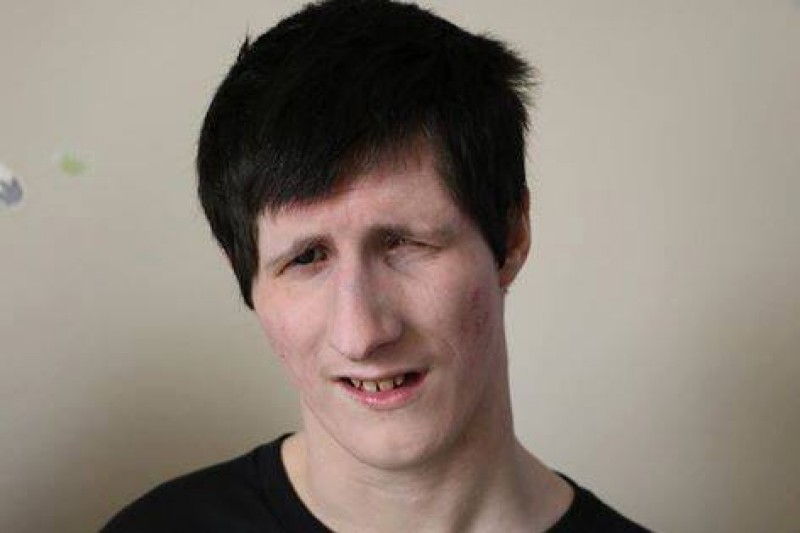
Chorí majú nižšiu pôrodnú váhu, malú hlavu a nízky vzrast. Do značnej miery je to dané nedostatkom rastového hormónu, ktorý je pre Dubowitzov syndróm typický. Charakteristické zmeny vznikajú v tvári, ktorá je trojuholníkovitá s malou a úzkou dolnou čeľusťou, širokým nosom a s očami ďaleko od seba. Môže byť výrazne narušený aj vývoj chrupu a nájsť môžeme aj rázštepové chyby tváre. Vzhľadom k abnormalitám horných dýchacích ciest je prítomný vysoký piskľavý hlas. Na končatinách môžu byť prsty zrastené kožnými riasami.
U chlapcov s týmto syndrómom môže byť prítomných chybné vyústenie močovej trubice a nezostúpené semenníky.
Na koži sa zvyčajne objavuje rozsiahly ekzém. Intelekt býva niekedy normálny, alebo býva prítomná mentálna retardácia rôzneho stupňa. Chorí mávajú poruchy imunity s nižšími hladinami protilátok v krvi, čo vedie k častejším infekciám.
Diagnostika
Diagnózu možno urobiť len na základe dôkladného vyšetrenia. Genetické vyšetrenie chorobu nepreukáže, pretože zatiaľ nie je známy vyvolávajúci gén.
Liečba
Prevencia nie je známa a ani liečba neexistuje. Je nutné dôsledne liečiť opakujúce sa infekcie, ťažšie deformácie tváre (napríklad rázštepy) možno liečiť chirurgicky. Ak je prítomná mentálna retardácia a eventuálne poruchy správania, je potrebná spolupráca so špeciálnymi pedagógmi a psychológmi.
- nedostator rastového hormónu
- trojuholníková tvár s malou a úzkou dolnou čelusťou
- piskľavý hlas
- možné chybné vyústenie močovej trubice u chlapcov a nezostúpené semenníky
- ekzém na koži
- niekedy prítomná mentálna retardácia rôzneho stupňa
- porucha imunity
Pre spojenie sa s ďalšími ľuďmi s rovnakou diagnózou vo vašom okolí sa prihláste.
Prihlásenie