Všeobecné
Downov syndróm (angl. Down syndrome, trisomy 21) je najčastejšie genetické ochorenie na Slovensku. Spôsobuje ho nadmerný počet 21. chromozómu (trizómia), ktorý vzniká najčastejšie nesprávnym delením buniek. Nadpočetný chromozóm je zodpovedný za typické fyzické črty dieťaťa a mentálnu retardáciu v rôznej miere. Na Slovensku sa ročne narodí asi 45 detí s Downovým syndrómom.
Rizikové faktory vzniku Downovho syndrómu sú: vyšší vek matky (viď tabuľku) a porucha rekombinácie - u nich bola dokázaná súvislosť s nondisjunkciou (chybným delením buniek). Medzi vonkajšie rizikové faktory patrí fajčenie, alkohol, káva, drogy, hormonálne lieky, spermicídy, radiácia. Ale napriek intenzívnym výskumom v rôznych krajinách a regiónoch sveta nebol poskytnutý jednoznačný dôkaz o vplyve vonkajších a vnútorných faktorov na nondisjunkciu. Doteraz ostáva jediným rizikovým faktorom pre trizómiu 21 vek matky. Iné faktory sa buď neuplatňujú, alebo ich vplyv je v porovnaní s vekovým efektom zanedbateľný.
Vek matky Riziko DS
18-30 1 : 1500
35+ 1 : 380
40+ 1 : 110
45+ 1 : 30
Diagnostika:
Príčinou Downovho syndrómu je nadpočetný 21. chromozóm, najmenší ľudský chromozóm v bunke. Každá bunka má 23 párov chromozómov. Zásluhou zmeny genetickej informácie nesenej týmto chromozómom vznikne nadbytočný 21. chromozóm. Rozvoj cytogenetiky a zdokonaľovanie metód na identifikáciu chromozómov v 70-tych rokoch umožnili klasifikáciu Downovho syndrómu do 3 skupín. Najčastejšia je voľná trizómia 21, vyskytuje sa v 88% až v 95%, zriedkavo mozaika v 1% až 7,7% a translokačná trizómia v 4,3%.
Voľná trizómia 21 - Tesne pred oplodnením dochádza k deleniu buniek. Pri tomto delení môže prísť k chybnému presunu 21. chromozómu. Keď sa pár chromozómov 21 z neznámeho dôvodu neoddelí (prvé delenie) a zostane zlepený (chybné delenie - nondisjunkcia), po oplodnení, teda splynutí vajíčka so spermiou vzniká zárodočná bunka, ktorá neobsahuje 46, ale 47 chromozómov. Toto chybné delenie je príčinou 93-94% prípadov DS a označuje sa ako voľná trizómia 21. Príčina vzniku tejto trizómie doposiaľ nie je známa.
Translokačná forma - U malého percenta ľudí s DS sa nenachádza nadbytočný voľný chromozóm 21, časť genetickej informácie tohto chromozómu sa viaže na niektorý iný chromozóm (najčastejšie chromozóm 14). V 1% tejto formy DS môže byť nositeľom - prenášačom jeden z rodičov dieťaťa bez toho, aby mal akékoľvek znaky DS.
Mozaiková forma - Pri nej dochádza k zmenenému deleniu až po spojení pohlavných buniek s normálnym počtom chromozómov, t.j. v priebehu následného (druhého) intenzívneho delenia už vzniknutej bunky. Výsledkom tejto formy je, že jedinci s DS majú určité percento buniek s normálnym počtom chromozómov (46) a v ďalších je nadpočetný chromozóm 21 (47 chromozómov). Jedná sa o jedincov s najnižším stupňom mentálneho postihnutia v rámci škály Downovho syndrómu.
Prenatálna genetická diagnostika
Na Slovensku sa v I. a II. trimestri tehotnosti vykonáva biochemické skríningové vyšetrenie (krvné testy), ktoré sa realizuje paušálne každej tehotnej žene a stanovuje sa miera pravdepodobnosti postihnutia plodu Downovým syndrómom (a iných genetických ochorení). Riziko postihnutia plodu sa tu určuje na základe veku matky a hodnôt biochemických parametrov. V 10.-12. týždni tehotnosti sa u plodu ultrazvukom zisťuje tzv. šijové prejasnenie (NT - Nuchal Translucency). Meria sa širka nahromadenej tekutiny v oblasti šije (rozšírenie je jedným z príznakov DS). V prípade, že miera pravdepodobnosti skríningu je vyššia, navrhuje sa realizovať odber plodovej vody (amniocentéza), ktorá je však invazívnym vyšetrením s možným poškodením plodových obalov, intrauterinnej infekcie a rizikom potratu. Pri tomto vyšetrení sa vyšetrí genetický kód kmeňových buniek dieťaťa, ktoré sa nachádzajú v plodovej vode. Ďalšou možnosťou je trisomy test, čo je neinvazívne ale aj spoľahlivé (99%) vyšetrenie krvi matky, ktorý na základe analýzy DNA plodu stanovuje riziko DS aj ďalších dvoch najčastejších syndrómov.
Diagnostika novorodencov (Popôrodná diagnostika)
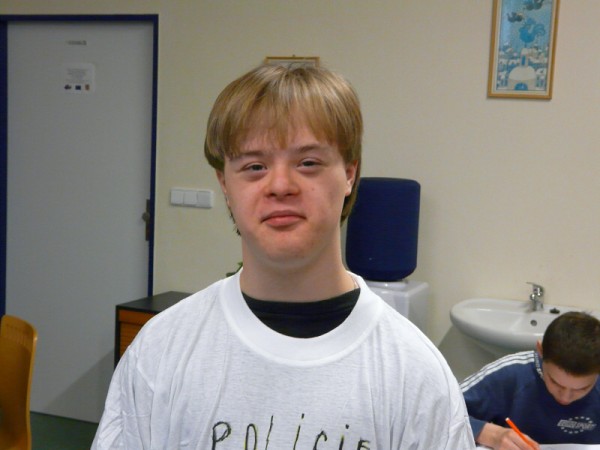
Hneď po narodení je podľa vonkajších fenotypových(vonkajších) čŕt trizómie 21 možné určiť klinickú diagnózu dieťaťa s Downovým syndrómom. Medzi najfrekventovanejšie znaky patria šikmé očné štrbiny, nadbytočná krčná kožná riasa, plochý vzhľad tváre, hyperflexibilita kĺbov, hypotónia a neprítomnosť Morovho reflexu. Väčšina detí má menší obvod hlavičky a nižšiu pôrodnú hmotnosť.
Hlava dieťatka s Downovým syndrómom je v porovnaní s ostatnými deťmi o niečo menšia, častejšie je sploštené záhlavie, má teda menší predo-zadný priemer (brachycephalia). Novorodenci s Downovým syndrómom majú zväčšenú veľkú fontanelu a otvorenú malú (falošnú fontanelu). Práve otvorená malá fontanela na záhlaví (okcipitálna časť lebky) je najvhodnejším indikátorom pre podozrenie na diagnózu trizómie 21.
Postavenie očných štrbín je typické pre ľudí s Downovým syndrómom. Sú úzke a šikmé, s prídavnou epikantálnou riasou (Epicanthus) vo vnútornom kútiku oka.
Oči môžu mať po krajoch dúhovky biele alebo ľahko nažltnuté bodky (Brushfieldove škvrny). Postupne zmiznú zafarbovaním dúhovky. Sú bežné aj u ostatných detí.
Pery dieťatka s Downovým syndróm sú pekne tvarované, ústa bývajú otvorené, pretože ústna dutina je menšia ako u ostatných detí a jazyk je v pomere k veľkosti ústnej dutiny relatívne veľký. Preto častokrát novorodenci vyplazujú jazyk.
Ruky: asi u 50 % detí s DS sa nachádza priečna ryha na dlani. Malíček môže byť ohnutý smerom k ostatným prstom (klinodaktylia) a mať dokonca jeden kĺb namiesto dvoch. Klinodaktylia sa môže vyskytovať aj u bežnej populácie, bez súvislostí s diagnózou Downov syndróm.
Nohy: prsty na nohách sú kratšie, medzera medzi palcom a ostatnými prstami je širšia.
Na základe typických vonkajších znakov by nemalo určenie diagnózy hneď po narodení robiť problém žiadnemu pediatrovi. Neistota by sa mohla objaviť snáď len v prípadoch parciálnej trizómie 21 a mozaikovej formy, nakoľko sa u nich vyskytuje menej typických znakov ako u voľnej trizómie.
Signifikantným potvrdením diagnózy je až cytogenetické vyšetrenie. Žiadne dieťa s Downovým syndrómom nemá všetky znaky, ich frekvencia je rôzna aj v rámci jednotlivých trizomických foriem. A taktiež u bežnej populácie detí sa môžu objaviť fyziognomické znaky, ktoré sú typické pre Downov syndróm, ale vôbec nediagnostikujú túto diagnózu u jedinca a rozhodne sa ani nedá povedať, že by Downov syndróm prenášal alebo bol ním postihnutý.
Novorodenci s Downovým syndrómom
U novorodencov s DS možno pozorovať pomerne veľa vrodených anomálií. Niektoré z nich sú život ohrozujúce a vyžadujú si okamžitý zásah po narodení, iné sa prejavia v priebehu niekoľkých dní či týždňov.
Najčastejšie anomálie:
- vrodená katarakta – 3 % detí
- vrodené anomálie tráviaceho traktu – 5 - 12 % detí
- vrodené srdcové chyby – 40 - 50 % detí
Je veľmi dôležité, aby sa vrodená katarakta diagnostikovala hneď po narodení a okamžite sa extrahovala, dieťaťu inak hrozí poškodenie retiny a následné oslepnutie. Odstránenie katarakty je pomerne jednoduchý chirurgický zákrok a dieťa neohrozuje. Následná korekcia pomocou okuliarov alebo kontaktných šošoviek pomôže dieťaťu zlepšiť zrak.
Medzi najčastejšie vrodené chyby zažívacieho traktu patria tracheoezofageálna fistula (spojenie dýchacej trubice s pažerákom), stenóza pyloru (zúženie hornej časti žalúdka), atrézia duodena (blokáda hornej časti tenkého čreva), análna atrézia (blokáda vývodu konečníka) a Hirschprungova choroba (chýbanie nervových buniek v určitom úseku hrubého čreva). Všetky tieto stavy si vyžadujú urgentné chirurgické riešenie. Okrem nich je to aj zápcha, spôsobovaná hypotonusom brušnej steny.
Najčastejšou vrodenou srdcovou chybou je kompletný atrioventrikulárny septálny defekt (otvor medzi komorami spojený s abnormálnou štruktúrou srdcových chlopní), inkompletný atrioventrikulárny septálny defekt, ďalej defekt komorového septa a defekt predsieňového septa, kombinované skratové chyby, Fallotova tetralógia a otvorený arteriálny duktus.
Najčastejšie zdravotné problémy u detí s Downovým syndrómom sú spojené:
- s neadekvátnou výživou a ťažkosťami s kŕmením v dôsledku iných zdravotných problémov, ako sú vrodené srdcové chyby, chyby zažívacieho traktu a neprospievanie z iných dôvodov
- s častými infekciami dýchacích ciest spojenými so zmenami v imunitnom systéme
- so zrakovým postihnutím (sklon ku krátkozrakosti, strabizmu a ďalekozrakosti)
- so sluchovým postihnutím (úzky kanálik Eustachovej trubice sa zvykne upchať mazom, následkom čoho môže byť aj hluchota pri neliečení)
- s kŕčovými stavmi
- s ortopedickými problémami (prítomnosť abnormálneho kolagénu)
- s poruchami spánkového dýchania (tzv."Sleeping Apnoe")
- so stomatologickými problémami
Ďalšie možné problémy:
Štítna žľaza:
Nedostatok tyroxinu, vyplavovaného do krvi štítnou žľazou (hypotyreóza), sa vyskytuje od narodenia (1 zo 150 detí s DS) alebo sa dostaví vekom (30% z ľudí z DS) u ľudí s Downovým syndrómom všeobecne častejšie ako u bežnej populácie. Následkom vrodeného nedostatku tyroxinu a jeho neliečenia je ďaleko vyšší stupeň mentálneho postihnutia než pri bežnom Downovom syndróme. Preventívne sa robí krvný test hneď po narodení.
Pri získanej hypotyreóze (vzniká zväčša dôsledkom chronického zápalu štítnej žľazy) sú príznaky veľmi podobné symptómom Downovho syndrómu, preto je ťažko diagnostikovaný. Zanedbaním a neliečením môže dôjsť k srdcovému ochoreniu alebo k zhoršeniu mentálneho postihnutia. Pravidelnou kontrolou krvi sa dá predísť následkom.
Leukémia:
Deti s Downovým syndrómom majú 20-30x vyššiu indicenciu akútnej leukémie než bežná populácia. Jedná sa hlavne o deti do veku 5 rokov. Liečbu chemoterapiou spravidla dobre znášajú.
Alzheimerova choroba:
U ľudí s DS je zvýšené riziko Alzheimerovej choroby. Po 40-tom roku života boli u všetkých zatiaľ sledovaných odhalené neuritické plaky a klbká charakteristické pre túto chorobu. Príčin je viacero. Anomália nervového systému, ale aj genetická nerovnováha typická pre trizómiu 21.
Psychické problémy:
U dospelých ľudí sa vyskytujú problémy s depresiou a poruchy správania, problémy s adaptáciou.
Alopecia areata:
Táto diagnóza sa u dospelých vyskytuje častejšie ako u bežnej populácie. Jedná sa o vypadávanie vlasov.
Život dieťaťa:
Deti s Downovým syndrómom dostali do vienka také pozitívne vlastnosti, ako schopnosť ľúbiť, spolupatričnosť, schopnosť tolerancie a empatie, bezprostrednosť, srdečnosť. Bez zábran používajú slová ako "ľúbim ťa, páčiš sa mi, mám ťa rád". Urobiť radosť iným a tešiť sa z radosti a úspechov iných im je blízke.
Ale ako všetky iné deti, aj oni majú lepšie i horšie vlastnosti. Aj pre ne platí, že sú rôzne a majú rozličné záujmy a schopnosti. Milujú hudbu, tanec, rytmus, maľovanie a rôzne činnosti v domácnosti. Ak sa pre niečo nadchnú, sú schopní sa tomu intenzívne a vytrvalo venovať. Všetky deti s Downovým syndrómom majú svoje limity, ktoré by rodičia i vychovávatelia mali poznať.
Pri dobrej výchove a vhodnom usmernení je ich správanie normálne a môžu byť príkladom pre iné deti. Napriek všeobecnej rozdielnosti charakterov majú niektoré spoločné povahové črty. Sú priateľské, dobrosrdečné, bezprostredné a spontánne. Z negatívnych vlastností je typická tvrdohlavosť.
Pri dobrom vedení sú vytrvalé (v pozitívnom zmysle slova) a poriadkumilovné. Veľmi statočne znášajú bolesť a nepohodu. Ak sú mrzuté, utrápené či plačlivé, treba za tým vždy hľadať nejakú objektívnu príčinu, ktorá im nepohodu spôsobila. Najmä deti s pridruženými chorobami, ako sú napríklad celiakia či iné zažívacie problémy, sa môžu v dôsledku svojich ťažkostí správať neadekvátne, aj v tomto prípade je to však veľmi individuálne.
Pri výchove dieťaťa s Downovým syndrómom je vhodné využívať ich špeciálnu schopnosť - napodobovanie. Ak budú môct napodobovať pozitívne príklady, bude to pre ich dobro. Ak im bude príkladom negatívne správanie ľudí v okolí, osvoja si ho a zhorší sa ich akceptácia v spoločnosti.
Správanie detí s Downovým syndrómom je podmienené nielen charakterom dieťaťa, ale hlavne jeho výchovou a zdravotným stavom. Pozitívny vplyv na vývoj dieťaťa a formovanie jeho osobnosti má dôsledná výchova bez zbytočného ochranárskeho postoja rodičov a bez akéhokoľvek manipulovania s dieťaťom.
Život dospelého jedinca:
Transformácia spoločnosti, väčšia informovanosť a "otvorenosť voči svetu" mení nielen pohľad na ľudí s Downovým syndrómom, ale aj ich limity. Kým v minulosti sa označovali a považovali za "večné deti", dnes sú vedené k samostatnosti a k uplatňovaniu svojich občianskych práv a vyrastajú z nich pomerne samostatní ľudia.
Počas dospievania sa vlastnosti jednotlivých ľudí s DS vyprofilujú. Líšia sa svojimi záujmami, náladami a túžbami. Veľmi záleží od spôsobu ich dovtedajšej výchovy, od vzdelávania, od prostredia, v ktorom žijú. Ochranársky prístup rodičov môže viesť k tomu, že budú menej samostatní, väčšmi ovplyvniteľní a menej tolerantní. U niektorých ľudí s DS aj v dospelosti pretrvávajú v správaní detské prvky, kým iní sa správajú ako ostatní dospelí. Napriek odlišnej výchove disponuje väčšina dospelých ľudí s Downovým syndrómom vlastnosťami ako prirodzenosť, úprimnosť, hrdosť, statočnosť, citlivosť a spolupatričnosť.
Niektorí majú zaujímavú, ale pre spolužitie náročnú schopnosť - predstierať. Predstierať ťažkosti či choroby. Svojimi hereckými schopnosťami a nadaním napodobňovať dokážu pomýliť aj odborníkov. Tento sklon sa dobre darí zrealizovať v dobrom slova zmysle v divadelných krúžkoch, predstaveniach tanca, gymnastiky, ktorým sa títo ľudia zvyknú venovať až do dospelosti.
Pokiaľ k tomu neboli vedení v detstve, tak aj dospelých ľudí s Downovým syndrómom treba učiť, aby boli samostatnejší, aby sa vedeli sami obhajovať a aby poznali pravidlá správania sa. Čím viac budú samostatní, nezávislí a zodpovední sami za seba, tým skôr budú vedieť za seba hovoriť, budú schopní vyjadriť, čo potrebujú a čo sa im nepáči, budú sa vedieť sami rozhodovať. A o to bude ich zapojenie do bežného života spoločnosti jednoduchšie. Učiť ich zodpovednosti za seba samých, za svoj život a za svoje konanie je dôležité, aby došlo k ich širšej akceptácii v spoločnosti.
Mýty:
- sú neprispôsobiví a agresívni
- sú neschopní učiť sa
- sú nevzdelávateľní
- musia vyrastať v ústavnej starostlivosti
- sú predmetom charity
- sú asexuálni
- sú nadmerne sexuálne orientovaní
- sú pacienti
- rozhodujú za nich odborníci
- majú mnohé nedostatky
- sú závislí a neschopní pracovať
- potrebujú stálu podporu spoločnosti formou finančných dotácií
- potrebujú segregované vzdelávanie, zamestnávanie a ostatné oblasti života
Skutočnosť:
- majú výbornú schopnosť napodobňovania a učenia
- učia sa pomalšie
- všetci sú vzdelávateľní
- majú vyrastať v domácom prostredí
- rozhodujú sami za seba
- majú rovnaké sexuálne potreby a cítenie ako ostatní ľudia, niektorí menej, iní viac
- majú právo na odstraňovanie bariér
- na základe individuálnych schopností je možné ich zamestnávať
- potrebujú individuálnu stabilnú pomoc a podporu v oblasti vzdelávania, zamestnávania a kompenzácií
- potrebujú sa zapojiť do hlavného prúdu vzdelávania a zamestnávania
- vrodená katarakta – 3 % detí
- vrodené anomálie tráviaceho traktu – 5 - 12 % detí
- vrodené srdcové choroby – 40 - 50 % detí
- zvýšené riziko Alzheimerovej choroby
- typický vzhľad tváre (menšia hlava, sploštené záhlavie, úzke a šikmé očné štrbiny, otvorená malá fontanela na záhlaví, veľký jazyk)
- klinodaktylia
- prsty na nohách sú kratšie, medzera medzi palcom a ostatnými prstami je širšia
Pre spojenie sa s ďalšími ľuďmi s rovnakou diagnózou vo vašom okolí sa prihláste.
Prihlásenie