
Všeobecné
DiGeorgeov syndróm (skratka DGS, synonymne DiGeorgova anomália, hypoplázia týmusu a prištítnych teliesok, velokardiofaciálny syndróm, anglicky DiGeorge syndorme, 22q11.2 deletion syndrome, DiGeorge anomaly, velo-cardio-facial syndrome VCFS, Shprintzen syndrome, conotruncal anomaly face syndrome, Strong syndrome, kongenitálna aplázia týmusu, thymic hypoplasia) je spôsobený deléciou (vymazaním) génu na dlhom ramienku 22. chromozómu. Vyskytuje sa v populácii s frekvenciou 1: 4000. Prvýkrát bol popísaný v roku 1968 detským endokrinológom Angelo Di Georgom, po ktorom je tiež pomenovaný.
Príznaky a Diagnostika
DiGeorgeov syndróm DGS ovplyvňuje mnoho orgánových systémov a ich slabý vývin. Jeho súčasťou sú vrodené chyby srdca, poruchy učenia, vrodené anomálie tváre a rázštepy podnebia, vrodené obličkové postihnutie, poruchy imunity, komplikácie, ktoré vychádzajú z nízkej hladiny kalcium v krvi. Deti trpiace DGS majú s imunitou problémy kvôli tomu, že pri tomto syndróme nie je dostatočne alebo nie je vôbec vyvinutý týmus (hypoplázia až aplázia týmusu), čo spôsobí nedostatočné vyvinutie T-lymfocytov. Tie sú spolu s ďalšími bunkami imunitného systému zodpovedné za obranyschopnosť organizmu.
V poslednej dobe sa tiež študuje vzťah medzi DiGeorgeovým syndrómom DGS a schizofréniou, kedy sa vedci domnievajú, že u pacientov s DGS je väčšia pravdepodobnosť vzniku schizofrénie.
Diagnostika sa vykonáva na základe imunologických vyšetrení, kedy môžeme zistiť deléciu chromozómu metódou zvanou FISH (fluorescenčná in situ hybridizácia).
Liečba
V dnešnej dobe bohužiaľ neexistuje kauzálna liečba na DiGeorgeovho syndrómu DGS. Liečiť sa dajú iba príznaky, ktoré sa u tohto syndrómu vyskytujú. V ťažších prípadoch je možné vykonať transplantáciu kostnej drene.
- sú veľmi rôznorodé, záleží na tom, ktorý orgánový systém je postihnutý
- vrodené srdcové chyby - najmä Fallotova tetralógia (defekt komorového septa, dextropozícia aorty, ktorá nasadá nad defektom septa, stenóza pľúcnice, hypertrofia pravej komory)
- cyanóza - modrasté sfarbenie kože, spôsobené nedostatočným okysličením krvi, mramorovanie kožerázštep podnebia
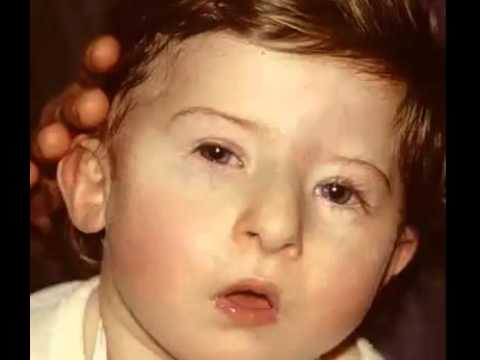
- charakteristické črty tváre - nevyvinutá brada, nízko postavené uši, naširoko postavené oči
- poruchy učenia, poruchy správania, zvýšená predispozícia na vznik schizofrénie
- hypokalciémia (znížená hladina vápnika v krvnom sére) - spôsobený nedostatočnou funkciou štítnej žľazy, čo spôsobuje kŕče
- vrodené chyby obličiek
- strata sluchu
- malý vzrast spôsobený nedostatkom rastového hormónu
- oslabená imunita, časté infekcie
- porucha príjmu potravy, neprospievanie, poruchy trávenia
- ťažkosti s dýchaním rôznorodého charakteru
- hypotonický syndróm
- oneskorenie psychomotorického vývoja
- oneskorený nástup reči
Pre spojenie sa s ďalšími ľuďmi s rovnakou diagnózou vo vašom okolí sa prihláste.
Prihlásenie