
Všeobecné
De Grouchyho syndróm, syndróm 18q (angl. De Grounch syndrome, chromosome 18q, distal 18q deletion syndrome) je veľmi zriedkavé geneticky podmienené vrodené ochorenie, ktoré je dané poruchou v jednom z chromozómov. Príčinou je chyba na chromozóme číslo 18, keď časť chromozómu u postihnutého chýba. Stratené genetické informácie sa následne prejavia ťažkým postihnutím organizmu. Choroba má dva typy, ktoré sa líšia podľa miesta postihnutia na chromozóme.
Typ 1 je spojený s chýbaním časti krátkeho ramienka chromozómu, typ 2 je spojený s chýbaním jeho dlhého ramienka.
Prejavy
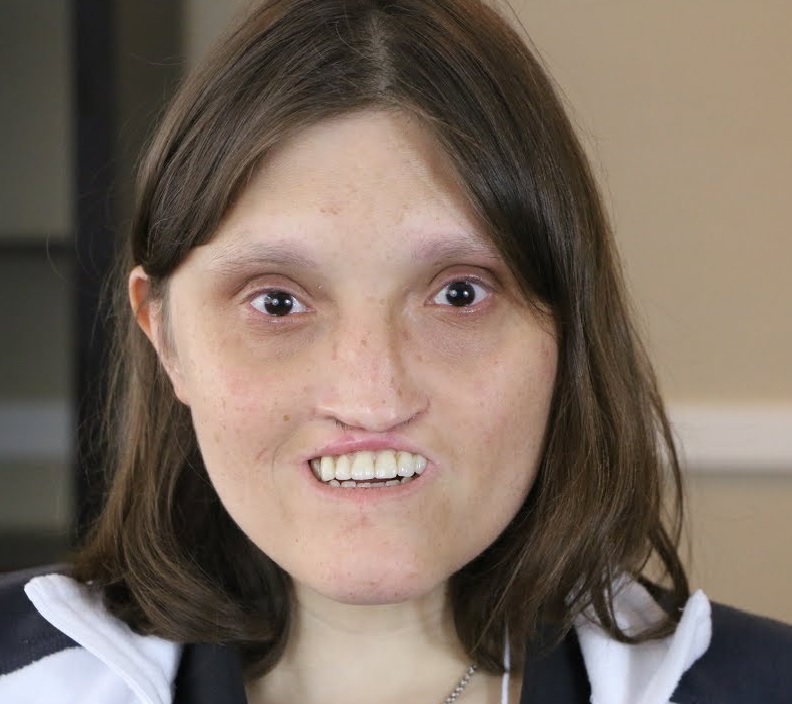
Postava chorého je nízka, vyskytuje sa deformovaná hlava a tvár. Hlava býva široká, rovnako tak je široký a krátky aj krk, vyskytujú sa deformácie zubov, kútiky úst a horné viečka sú poklesnuté, chorý má kaprovité ústa, uši odstávajú. Býva oslabená celková sila svalov, svaly sú ochabnuté. U chlapcov býva prítomná porucha zostupu semenníkov a iné pohlavné abnormality. Chorí sú postihnutí mentálnou retardáciou rôzneho stupňa.
Diagnostika
Vyšetrenie chromozómov vo vzorke buniek chorého preukáže chýbanie častí 18. chromozómu. Najčastejšie sa vyšetrujú biele krvinky, ktoré sa získajú pri klasickom odbere krvi.
Liečba
Syndrómu nedá zabrániť ani ho nemožno vyliečiť. Deformácie sa upravujú chirurgicky (plastická chirurgia), mentálna retardácia vyžaduje individuálny prístup a sociálno-pedagogickú starostlivosť.
- nízka postava
- deformovaná hlava a tvár
- široký krk
- deformácie zubov
- poklesnuté viečka a kútiky úst
- kaprovité ústa
- odstávajúce uši
- ochabnuté svalstvo
- u chlapcov zostup semenníkov
- pohlavné abnormality
- ľahká až ťažká mentálna retardácia
Pre spojenie sa s ďalšími ľuďmi s rovnakou diagnózou vo vašom okolí sa prihláste.
Prihlásenie