
Všeobecné
Cri du chat (anglicky Cat cry syndrome, chromosome 5p- syndrome, 5p deletion syndrome, monosomy 5p, 5p- syndrome), slovensky tiež syndróm mačacieho kriku či syndróm mačacieho mňaukania, je spôsobený parciálnou alebo úplnou deléciou (chýbaním alebo skrátením) krátkeho ramienka 5. chromozómu (5p). Je to vzácna genetická porucha v dôsledku chýbajúcej časti chromozómu 5, rôznorodosť tohto ochorenia je závislá od danej chýbajúcej lokality a chýbajúceho genetického materiálu krátkeho ramienka. Syndróm je pomenovaný podľa zvukov, ktoré vydávajú postihnuté deti, keď tieto zvuky pripomínajú mačacie mňaukanie.
Prvýkrát bolo toto ochorenie popísané Jérôme Lejeune v roku 1963. Častejšie sa ochorenie vyskytuje u ženského pohlavia a vyskytuje sa v početnosti 1: 20-50.000. V skutočnosti môže byť však aj o niečo častejšia – jedinci so syndrómom mačacieho kriku totiž častejšie podliehajú spontánnym potratom. Toto genetické ochorenie je spôsobené spontánnou mutáciou, 80-90% paternálnou cestou - tj. spontánna mutácia vzniká na spermií.
Medzi ďalšie príznaky patrí oneskorený psychomotorický vývoj, typické črty tváre, porucha intelektu, porucha rastu.
Diagnostika
Diagnóza je založená na rozpoznaní výrazného plaču a sprievodných klinických príznakov. Vrámci diagnostiky je nutné realizovať genetické vyšetrenie s následným vyšetrením DNA a potvrdením mutácie na krátkom ramienku chromozómu 5. Prenatálna diagnostika sa realizuje tehotným amniocentézou u tých žien, ktoré majú pozitívnu rodinnú anamnézu v zmysle Cri du chat syndrómu.
Liečba
Rovnako ako iné genetické choroby, rovnako aj Cri Du Chat nemožno príčinne vyliečiť. Liečba je teda symptomatická - špecifická pre každého jedinca, medzi ne patrí ergoterapia a terapii u logopéda. Ostatné deformity, ako sú napríklad srdcové chyby, musia byť pravidelne sledované a podľa nutnosti riešené chirurgicky. Mentálna retardácia a poruchy správania si vyžadujú individuálny prístup a špeciálnu pedagogickú starostlivosť. Vzhľadom na ťarchu mentálneho znevýhodnenia je akákoľvek socializácia a sebaopatera chorého výrazne obmedzená.
- charakteristické "mňaukanie" detí, ktoré je dané problémami s hrtanom a nervovým systémom
- problémy s prospievaním, keďže majú problémy s prehĺtaním a saním
- nízka pôrodná hmotnosť
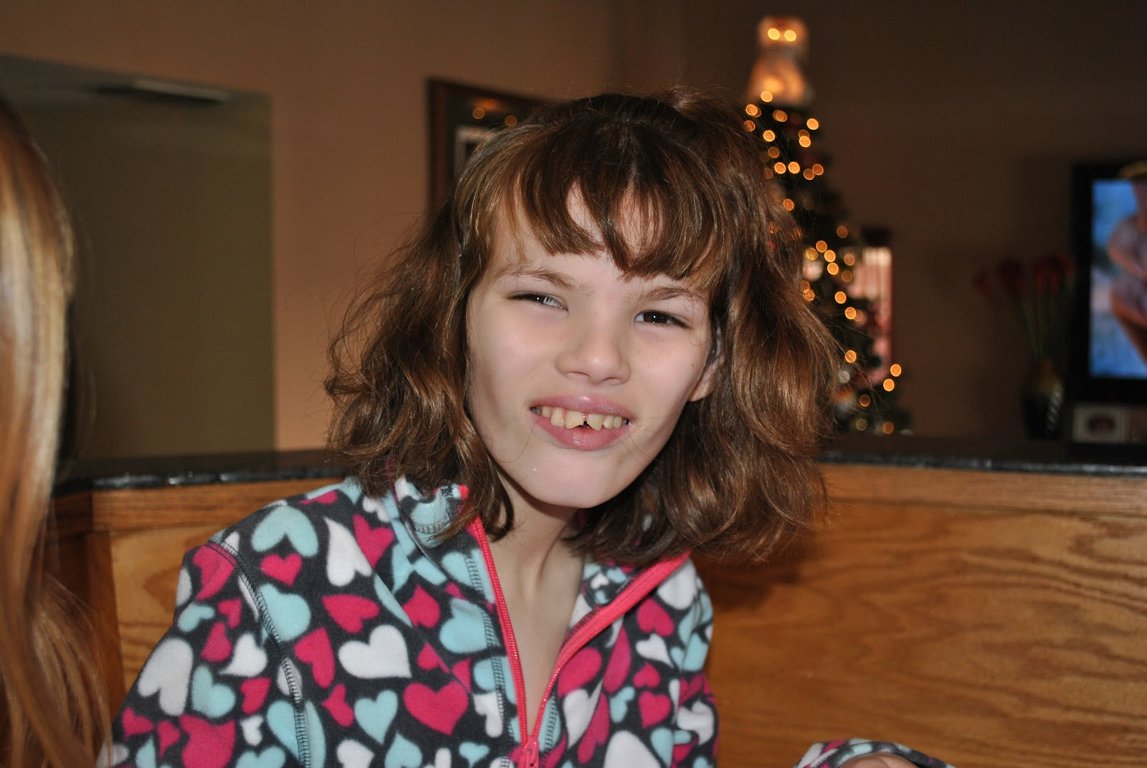
- charakteristické črty tváre
- pomalý/oneskorený rast
- mikrocefália
- oneskorený psychomotorický vývoj
- porucha intelektu rôzneho stupňa
- abnormality kostry - napr. skolióza
Pre spojenie sa s ďalšími ľuďmi s rovnakou diagnózou vo vašom okolí sa prihláste.
Prihlásenie