Cornelia de Lange syndróm
Find a cause you want to help. Every contribution counts.

Všeobecné
Cornelia de Lange syndróm (CdLS, angl. Cornelia de Lange syndrome) je genetická vývojová porucha prítomná od narodenia, ale nie je vždy diagnostikovaná hneď po pôrode. Spôsobuje celú radu fyzických a poznávacích prejavov, ktoré postihujú mnoho častí tela. Vlastnosti tejto poruchy sa značne líšia u postihnutých jedincov v rozmedzí od pomerne miernych prejavov až po tie ťažké. Postihuje rovnako obe pohlavia. Môže viesť k vážnym vývojovým poruchám. To má vplyv na duševný a fyzický vývoj dieťaťa. CdLS pravdepodobne postihuje jedno z 30 000 až 300 000 narodených detí (napr. v roku 2006 bolo v USA asi 2500 ľudí s týmto syndrómom). Syndróm sa považuje za vzácny, ale nemusí to tak byť, pretože môže byť iba nedostatočne diagnostikovaný.
Vznik choroby:
Väčšina prípadov vzniká v dôsledku spontánnej genetickej mutácie pohlavnej bunky. V roku 2004 vedci z detskej nemocnice vo Philadelphii indentifikovali gén (NIPBL) na chromozóme 5, ktorý tento syndróm spôsobuje. V rokoch 2006-2007 boli objavené ďalšie gény (SMC1A, SMC3 a HDAC8), ktoré pri zmene taktiež spôsobujú CdLS. Aspoň 35 percent testovaných osôb so syndrómom nemá indentifikovaný gén mutácie. Je preto pravdepodobné, že aj iné gény môžu pri svojom zmutovaní spôsobiť CdLS. Aktívny výskum pokračuje aj v týchto rokoch. Štúdie naznačujú, že SMC1A (5 percent výskytu) a SMC3 mutácie majú sklon spôsobovať miernejšie príznaky, než tie, ktoré spôsobuje gén NIPBL. Mutácie v tomto géne boli zistené u viac než polovice všetkých ľudí s týmto syndrómom. Proteíny vyrobené z týchto génov pomáhajú regulovať štruktúru a organizáciu chromozómov a sú zapojené do opravy poškodenej DNA. Taktiež regulujú aktivitu niektorých génov v rozvoji končatín, tváre a iných častí tela.
Dedičnosť:
Na rozdiel od väčšiny X viazaných génov, u ktorých sú častejšie postihnutí muži a ženy sú prenášačmi, X-viazaný gén CdLS ovplyvňuje rovnako mužov i ženy. Menej ako 1 percento jedincov majú postihnutých rodičov. Ak sú klinicky nedotknutí, odhaduje sa riziko pre ďalších súrodencov na 1,5 percenta z dôvodu možnosti zárodočného mosaicistu. V prípade, že matka má mutáciu spôsobujúci ochorenie, šanca prenášať ju v každom tehotenstve je 50 percent. V rodine s viac ako jedným postihnutým jedincom je určite nositeľom CdLS jeden z rodičov (buď dedičným, alebo má zárodkovú líniu mosaicizmu – mutáciu získal ako prvý). Pravdepodobnosť postihnutia viac detí v rodine náhodným zmutovaným génom bez zaťaženia jedného z rodičov je prakticky nulová (i keď nie nemožná, keďže aj Euromilióny sa dajú vyhrať dva krát, ale je to skôr teória). Mutácia sa prejavuje i o niekoľko generácií neskôr.
Jedinci sa podobajú jeden druhému. Zaujímavosťou je, že mutácia v chromozóme X spôsobí obvykle viacej viditeľných znakov skôr u chlapcov.
Najviac postihnutá oblasť je rozvoj reči. Veľa detí s CdLS sa nenaučí rozprávať plynulo, s podporou rodiny a logopéda sa môžu naučiť pár slov. S miernou formou sa môžu naučiť dobre rozprávať okolo 5 až 6 rokov. Takmer všetky deti sa naučia chodiť vo veku 2-5 rokov. Vo výraze tváre chýba emócia (trochu je vidieť bolesť, smiech). Rodičia často uvádzajú, že ich deti sú šťastné, cítia lásku k ostatným členom rodiny a smejú sa s nimi. Odmietajú však fyzický kontakt. Majú problémy so sociálnou interakciou.
Diagnóza:
K dispozícii sú vyšetrenia v klinických laboratóriách, ktoré sú založené na skúmanie charakteristického fenotypu (od r. 2006 sa vykonávajú skúšky génu NIPBL, SMC1A, SMC3 a HDAC8). Ultrazvukové vyšetrenie sleduje rast dieťaťa a hodnotí končatiny, srdce, bránicu a iné orgány alebo štruktúry ovplyvňujúce CdLS. Porucha rastu sa zvyčajne prezentuje v druhom trimestri. Až 68 percent prípadov s významnými abnormalitami CdLS neboli zistené ultrazvukom. Aj napriek dnešnej úrovne medicíny môže byť CdLS nedostatočne alebo zle diagnostikovaná.
Liečba:
Neexistuje kauzálna terapia na CdLS, liečba prebieha len podporne a zameriava sa na riešenie somatických problémov – zahŕňa komplexný tím špecialistov (pediatrov, chirurgov, ortopédov, ORL, kardiológov, zubárov, logopédov, fyzioterapeutov atď...) Je dôležite zameriavať sa na vzdelávacie postupy, pravidelne sledovať stav očí a uší, srdca, obličiek a príp. ďalších anomálií. Najdôležitejšou vecou však je, že s dieťaťom budete zachádzať ako so zdravým dieťaťom. Bolo zistené, že tieto deti majú schopnosť percepčnej organizácie, vizuálne priestorové pamäti a jemnú motoriku. Práve preto sa odporúča použitie vizuálnych metód výuky (napr. počítače s augmentatívnou komunikáciou, príp. zariadenia s obrázkami a symbolmi) skôr ako tradičné verbálne metódy výuky.
Čo môžete očakávať:
V minulosti mnoho detí s CdLS nežilo príliš dlho a kvalitne, pretože ich zdravotné potreby nik nepoznal. Dnes má väčšina jedincov s ľahkou formou CdLS normálnu dĺžku života. Sú schopní dobre zvládať každodenné samoobslužné činnosti (stravovanie, toaleta, obliekanie). Niektorí môžu žiť na vlastnú päsť, mať zamestnanie a partnera, zatiaľ čo iní potrebujú podporu a pomoc po celý svoj život.
- nízka pôrodná hmotnosť (obvykle pod 2,5 kg), pomalý rast je aj po pôrode
- spomalený vývoj dieťaťa, často sprevádzaný ľahkým, stredne ťažkým, či ťažkým mentálnym postihnutím (IQ sa pohybuje od 30-102, priemer je okolo 53).
- kožné prejavy – nadmerné ochlpenie (hypertrichóza), hlavne na chrbte
- kostné abnormality – postihujú končatiny (hlavne ruky a lakte)
- končatiny bývajú malé, telo je oproti nim nadmerné – bývajú tiež krátke a šikmé prsty
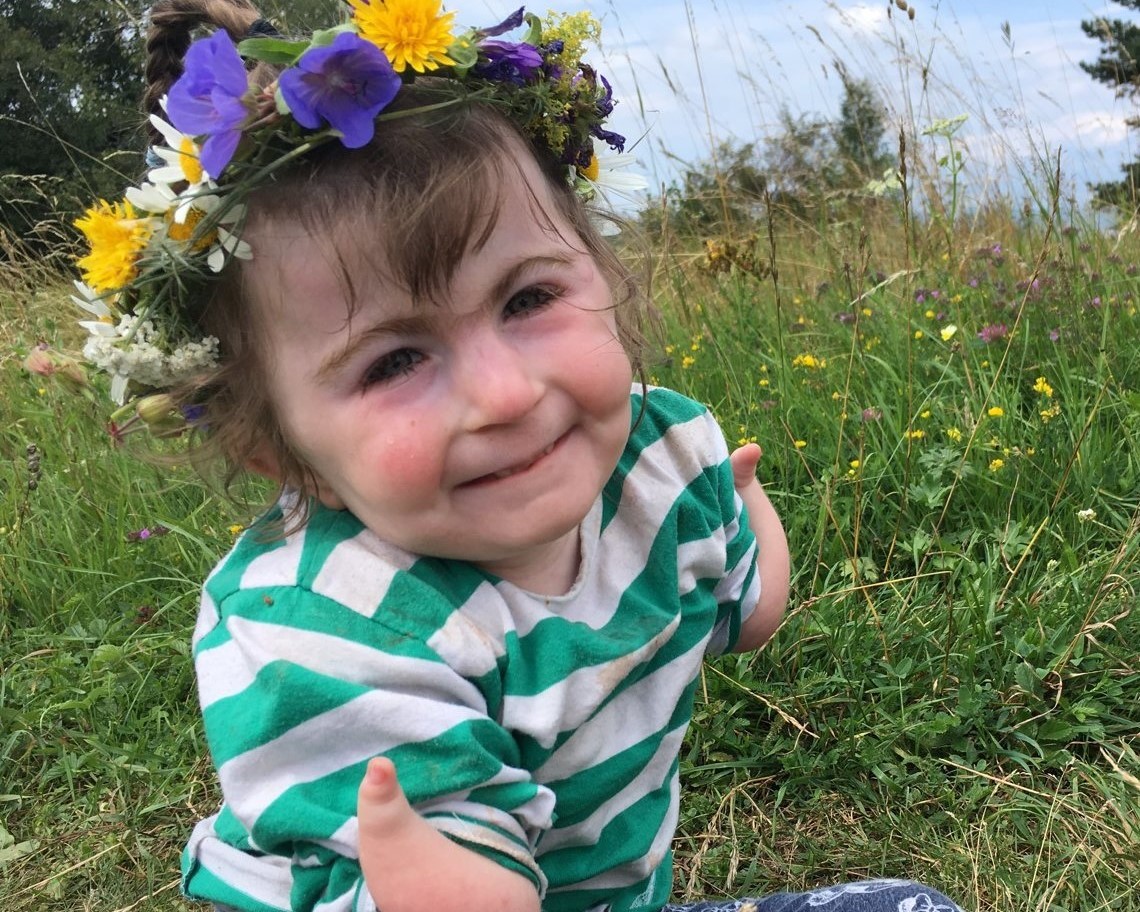
- sú viditeľné rozdiely v končatinách (dĺžka a vzhľad), niekedy končatiny chýbajú celé, inokedy iba časti
- časté je zakrivenie 5. prstu.
- čiastočné spojenie 2 a 3 prstu
- charakteristické rysy tváre: husté zrastené obočie, dlhé mihalnice, nízko posadené uši, široko rozložené malé zuby, krátky zahnutý nos, tenké pery a ústa v tvare polmesiaca
- rázštep chrbtice = u ťažkých prípadov (25%)
- malá veľkosť hlavy (mikrocefalia) = u ťažkých prípadov
- v dospelosti veľká časť tvárových znakov úplne zmizne
- sluchové a očné postihnutie (60-80%), čiastočná až úplná strata sluchu (zaznamenaná až u 80% detí), zúženie sluchového kanálika (80%)
- krátkozrakosť (60%) až slepota = okuliare sú zle tolerované
- ptóza (45%), nystagmus (37%), hypertropia
- problémy s tráviacim traktom – reflux (potrava sa vracia späť zo žalúdku) - až 90% postihnutých; zvracanie a vdýchnutie potravy
- prerušovaná a „zlá“ chuť k jedlu
- zápcha, plynatosť
- črevná malrotácia
- všetky tieto problémy môžu byť akútne rovnako ako mierne, časté sú srdcové a pľúcne vady (až u 46%), infekcia alebo zápal pľúc a horných dýchacích ciest (25%) - často je příčinou tichého refluxu, koarktácia aorty
- urogenitálna anomália – hypoplastické genitálie
- reflux močovej trubice
- obličkové cysty
- renálna dysplázia a hypoplázia
- môže byť narušená renálna (močová) funkcia
- problémy s chovaním – podoba autizmu - self-stimulácia (u 44% prípadov), prejavuje sa bitím do tváre, hryzením si rúk, prstov alebo pier, prípadne škrabaním si pokožky
- agresia (asi u 48% prípadov)
- problémy s komunikáciou
Ľudia s touto diagnózou
Pre spojenie sa s ďalšími ľuďmi s rovnakou diagnózou vo vašom okolí sa prihláste.
Prihlásenie