Conradi-Hünermannov syndróm
Find a cause you want to help. Every contribution counts.

Všeobecné
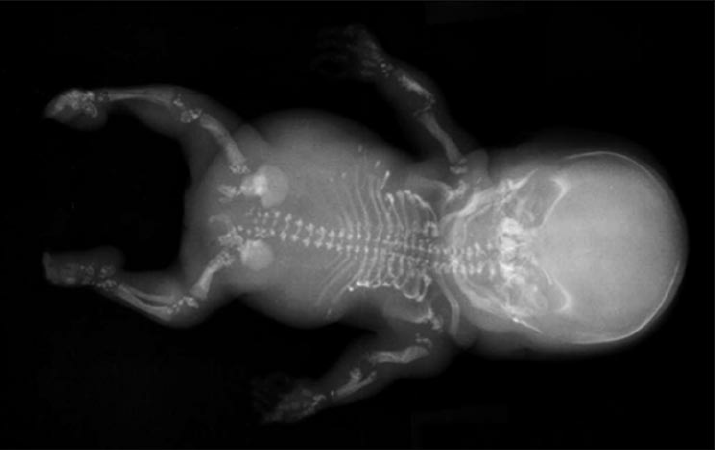
Conradi-Hünermannov syndróm (angl. Conradi-Hünermann syndrome) je názov pre vrodené genetické ochorenie, ktoré postihuje najmä kosti.
Príčiny
Príčinou vzniku syndrómu je mutácia určitého génu, ktorý je lokalizovaný na chromozóme X.
Prejavy
Choroba je spojená najmä s poruchami kostrového systému. Typický je nízky vzrast, krátke končatiny (mnohokrát nesúmerne) a krivá chrbtica. V koncoch dlhých kostí sa ukladá veľké množstvo vápnika. Objavujú sa aj isté abnormality v tvári, ako napríklad plochá tvár a prepadnutý koreň nosa. Postihnuté bývajú aj oči, u chorých častejšie dochádza ku vzniku šedého zákalu. Intelekt postihnutých je normálny, len výnimočne sa vyskytuje mentálna retardácia.
Diagnostika
Choroba sa môže určiť na základe nálezu vyššie uvedených prejavov a po vykonaní špeciálneho genetického vyšetrenia, ktoré preukáže mutáciu príslušného génu.
Liečba
Prevencia vrodeného syndrómu neexistuje a vyliečiť ho tiež nie je možné. Krátke dolné končatiny možno do určitej miery predĺžiť ortopedickými operáciami.
- nízky vzrast
- krátke končatiny
- krivá chrbtica
- problémy s kosťami
- plochá tvár
- prepadnutý koreň nosa
- šedý zákal (alebo iné problémy so zrakom)
- výnimočne mentálna retardácia
Pre spojenie sa s ďalšími ľuďmi s rovnakou diagnózou vo vašom okolí sa prihláste.
Prihlásenie