
Všeobecné
Cockayneov syndróm (angl. Cockayne syndrome) je súhrnné označenie pre skupinu 3 veľmi vzácnych geneticky podmienených vrodených ochorení s komplexnými prejavmi. Vyskytuje sa menej ako u 1 z 250,000 živo narodených detí.
Príčiny
Príčinou je genetická mutácia, pričom každý podtyp choroby má mutovaný iný konkrétny gén.
Prejavy
Prvé dva typy choroby sú relatívne ťažké a spôsobujú smrť ešte v detstve pred dosiahnutím puberty.
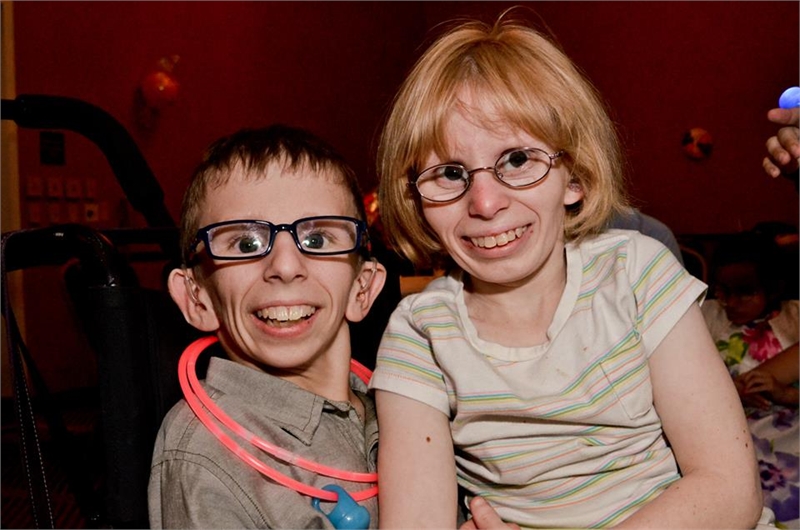
Tretí typ je najvzácnejší a má miernejší priebeh. Chorí majú malú hlavu a nízku trpasličiu postavu.
Bývajú u nich prítomné neurologické poruchy, ktoré sa postupne zhoršujú. Mnohokrát býva prítomná mentálna retardácia, narušená schopnosť státia a chôdze. Objavujú sa tiež poruchy zraku a sluchu, dochádza k degenerácii sietnice a rozvíja sa šedý zákal. Chorí mávajú starecký vzhľad, čomu napomáha rýchlo starnúca kože, ktorá je veľmi citlivá na slnečné žiarenie. U detí mužského pohlavia bývajú častejšie prítomne nezostúpené semenníky.
Diagnostika
Diagnózu možno stanoviť genetickým vyšetrením.
Liečba
Prevencia neexistuje, rovnako tak nemožno syndróm ani vyliečiť. Pacientov je potrebné čo najmenej vystavovať slnečnému žiareniu.
- starecký vzhľad
- malá hlava
- nízka postava
- mentálna retardácia (stredná až ťažká)
- poruchy zraku a sluchu
- degenerácie sietnice (až k šedému zákalu)
- u mužov nezostúpené semenníky
Pre spojenie sa s ďalšími ľuďmi s rovnakou diagnózou vo vašom okolí sa prihláste.
Prihlásenie