Delécia chromozómu 8p23.1
Find a cause you want to help. Every contribution counts.

Všeobecné
Delécia 8p23.1 zahŕňa čiastočnú deléciu krátkeho ramena chromozómu 8 charakterizovanú nízkou pôrodnou hmotnosťou, nedostatkom postnatálneho rastu, miernym intelektuálnym deficitom, hyperaktivitou, kraniofaciálnymi abnormalitami a vrodenými srdcovými chybami. Prevalencia nie je známa, ale delécie 8p23.1 sú zriedkavé. K dnešnému dňu bolo hlásených viac ako 50 prípadov intersticiálnych alebo koncových 8p23.1 bez výrazných rozdielov medzi pohlaviami.
Diagnostika
Diagnóza je založená na klinických prejavoch vedúcich k chromozomálnej analýze. Delécie v oblasti 8p23.1 sú pri štandardnom karyotypizovaní často prehliadané a väčšinou sú detegované molekulárnym karyotypizovaním. Na genetickú charakterizáciu delécie je možné použiť molekulárne techniky (FISH, MLPA, aCGH). Delécia 8p23.1 pravdepodobne vznikne prostredníctvom nealelickej homológnej rekombinácie sprostredkovanej lemujúcimi opakovaniami s nízkym počtom kópií (LCR), čo vysvetľuje spoločnú veľkosť približne 3,4 Mb. Vrodené srdcové chyby a diafragmatická hernia sú s najväčšou pravdepodobnosťou vysvetlené haploinsuficienciou pre GATA4.
Diferenciálna diagnostika zahŕňa monozómiu 22q11 (velocardiofaciálny syndróm; pozri tento termín). Presná chromozomálna analýza potvrdzuje diferenciálnu diagnostiku. Prenatálna diagnostika je možná pomocou amniocentézy alebo odberu choriových klkov (CVS) a molekulárno‑cytogenetickej analýzy.
Väčšinou sa tento syndróm vyskytuje de novo. Rodičia však môžu prenášať chromozomálne preskupenie aj na svoje deti s rizikom 50% pre každé dieťa. Stredná dĺžka života sa považuje za normálnu za predpokladu, že neexistuje žiadna vrodená srdcová anomália alebo diafragmatická hernia.
Príznaky
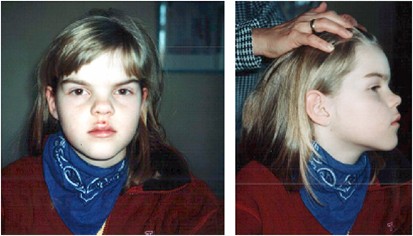
Klinické prejavy sú variabilné a nezávisia od veľkosti delécie, pretože je rovnaká u väčšiny pacientov. Medzi najbežnejšie prejavy patrí spomalenie prenatálneho a postnatálneho rastu, nízka pôrodná hmotnosť, mierny až stredný intelektuálny deficit, psychomotorická retardácia, slabá reč, epileptické záchvaty, problémy so správaním, ako je hyperaktivita a impulzívnosť. K častým kraniofaciálnym abnormalitám patrí mikrocefália, vysoké a úzke čelo, široký nosový mostík, epikantické ryhy, vysoké klenuté podnebie, krátky krk a nízko nasadené uši neobvyklého tvaru. Okrem toho boli často hlásené vrodené srdcové chyby (atrioventrikulárne, septa, defekty pľúc, stenóza pľúc), vrodená diafragmatická hernia a u chlapcov kryptorchizmus a hypospadie. U niektorých postihnutých osôb bola hlásená normálna inteligencia.
Terapia
Zahŕňa hodnotenie, liečbu a pravidelné sledovanie príslušnými odborníkmi vrátane praktického lekára, pediatra a kardiológov. Včasná diagnostika a prístup k hlavným vývojovým terapiám zameraným na získanie najlepšieho vývojového výsledku sa ukázali ako prospešné.
- spomalenie prenatálneho a postnatálneho rastu
- nízka pôrodná hmotnosť
- mierny až stredný intelektuálny deficit
- psychomotorická retardácia, slabá reč
- epileptické záchvaty
- problémy so správaním, ako je hyperaktivita a impulzívnosť
- mikrocefália, vysoké a úzke čelo, široký nosový mostík, epikantické ryhy, vysoké klenuté podnebie, krátky krk a nízko nasadené uši neobvyklého tvaru
- časté vrodené srdcové chyby (atrioventrikulárne, septa, defekty pľúc, stenóza pľúc)
- vrodená diafragmatická hernia
- u chlapcov kryptorchizmus a hypospadie
Pre spojenie sa s ďalšími ľuďmi s rovnakou diagnózou vo vašom okolí sa prihláste.
Prihlásenie