
Všeobecné
Catel-Manzkeho syndróm (angl. Catel-Manzke syndrome) je zriedkavé geneticky podmienené vrodené ochorenie, ktoré je spojené s deformáciami mnohých častí tela.
Príčiny
Príčinou vzniku syndrómu je genetická mutácia. Chybný gén je zrejme prítomný na chromozóme X.
Prejavy
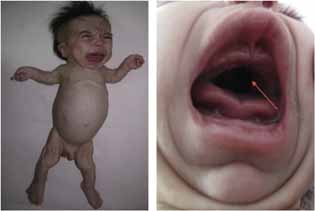
Pri tomto syndróme sú prítomné deformácia tváre a končatín. Chorí majú veľmi malú a úzku dolnú čeľusť, jazyk je v ústnej dutine posunutý dozadu a bývajú prítomné rázštepové chyby tváre.
Charakteristické deformácie vzniká aj na ukazovákoch horných končatín – ukazovák má u postihnutého o jeden nepravidelne tvarovaný kostný článok navyše, a preto je v abnormálnej pozícií. Postihnutí týmto syndrómom častejšie trpia infekciami stredného ucha a niekedy sa vyskytujú aj vrodené srdcové chyby.
Diagnostika
Na syndróm možno pomyslieť po dôkladnom vyšetrení, ktoré preukáže prítomnosť vyššie spomínaných prejavov. Okrem toho je možné vykonať genetické vyšetrenie, ktoré vylúči iné známe syndrómy s podobnými prejavmi.
Liečba
Prevencia nie je možná a rovnako tak nemožno syndróm ani vyliečiť. Deformácie môžu do značnej miery vyriešiť zákroky plastickej chirurgie.
- deformácie tváre a končatín
- úzka malá dolná čelusť
- jazyk je posunutý dozadu (v ústnej dutine)
- rážtepové chyby na tvári
- ukazovák má jeden článok navyše (je v abnormálnej pozícii)
- srdcové vrodené chyby (u niektorých prípadov)
- infekcie stredného ucha
Pre spojenie sa s ďalšími ľuďmi s rovnakou diagnózou vo vašom okolí sa prihláste.
Prihlásenie