
Všeobecné
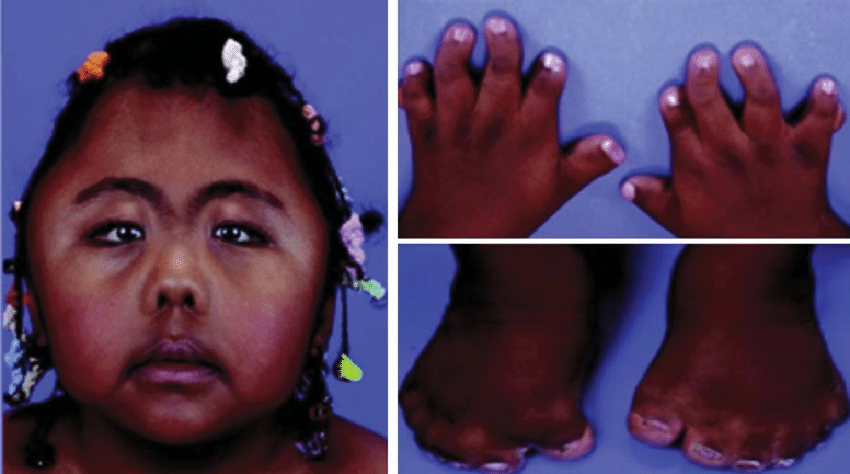
Carpenterov syndróm (angl. Carpenter syndrome) je extrémne zriedkavé vrodené ochorenie postihujúce hlavu, tvár aj končatiny. Vyskytuje sa len asi u 1 dieťaťa z milióna novo narodených detí.
Príčiny
Príčinou vzniku choroby je mutácia génu uloženého na šiestom chromozóme. Mutácia vzniká buď de novo, alebo môže byť zdedená od rodičov. Existuje množstvo ľudí, ktorí majú príslušný gén zmutovaný, ale choroba sa u nich neprejavuje – sú iba prenášačmi. Pokiaľ ale dvaja takí prenášači majú spolu dieťa, je relatívne veľká šanca, že mu obaja odovzdajú svoj zmutovaný gén a v tom prípade dieťa ochorie Carpenterovým syndrómom.
Prejavy
Genetická porucha sa prejavuje ťažkými deformáciami častí tela – chorý trpí malým vzrastom, obezitou, na končatinách máva krátke zrastené prsty (syndaktýlia), niekedy bývajú prítomné aj nadpočetné prsty (polydaktýlia).
Na hlave dochádza k predčasným zrastom niektorých lebečných švov, čo má za následok abnormálny tvar temena – hlava môže byť krátka a široká alebo môže mať kužeľovitý tvar. Okrem toho bývajú prítomné rôzne deformácie tváre – široký krátky nos, veľké nosné dierky, široká tvár a pod.
Ak je postihnuté dieťa chlapec, býva u neho prítomná porucha zostupu semenníkov. Intelekt môže byť síce nenarušený, ale veľmi často sa vyskytuje mentálna retardácia rôzneho stupňa. Okrem príznakov je k získaniu správnej diagnózy treba vykonať genetické vyšetrenia.
Liečba
Samotný syndróm je vrodený a teda neliečiteľný. Jednotlivé deformácie môžu vyžadovať chirurgické zákroky (plastická chirurgia). Prípadné poruchy správania a mentálna retardácia vyžadujú špeciálnu pedagogickú starostlivosť.
- nízky vzrast
- obezita
- syndaktýlia (zrastené prsty) alebo polydaktýlia (nadpočetné prsty)
- zrast lebečných švov – deformácie lebky
- deformácie tváre
- u chlapcov nezostúpené semenníky
- možnosť ľahkej až strednej mentálnej retardácie
Pre spojenie sa s ďalšími ľuďmi s rovnakou diagnózou vo vašom okolí sa prihláste.
Prihlásenie